Amazon is done with Android on Fire TV. Vega OS is the only future.
Amazon's new Fire TV Stick HD ships with Vega OS, no sideloading allowed. Sources say every future Fire TV will follow. Here's what changes for users and devs.
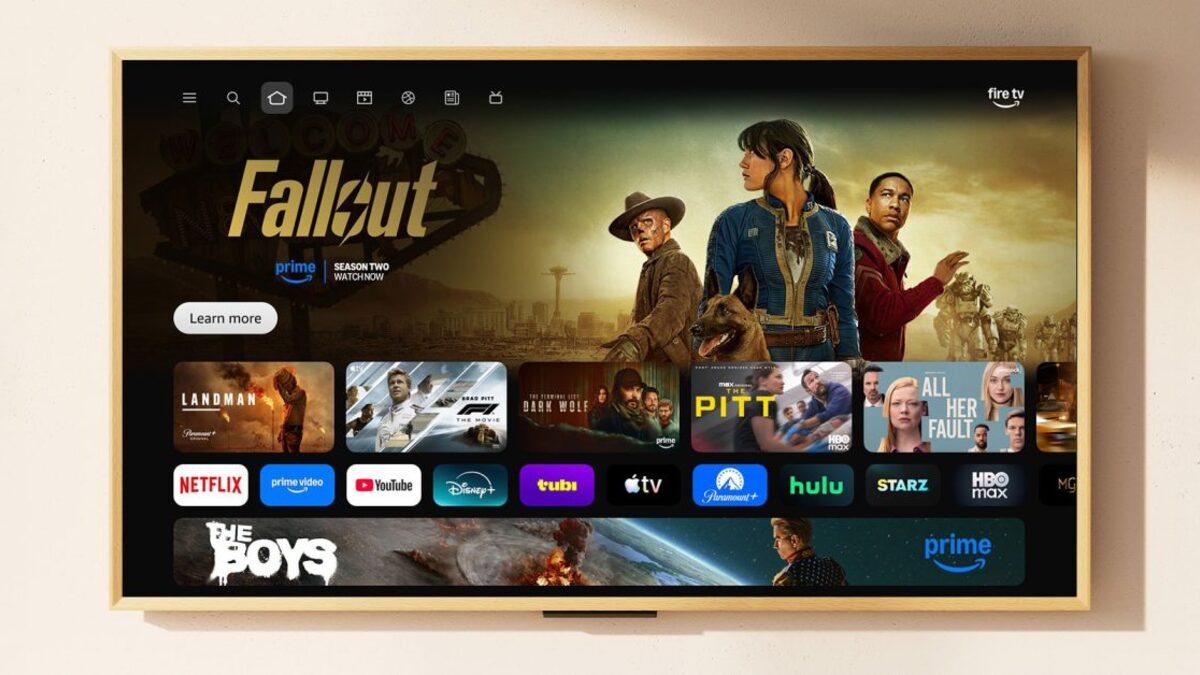
Update — confirmed, April 27, 2026. Amazon officially confirmed the April 29 launch of the Fire TV Stick HD on Vega OS at $34.99 across the US, UK, Canada, Mexico, Japan, Australia, and New Zealand. The ‘Vega for all future Fire TV’ direction is now corroborated by multiple outlets and Amazon’s own developer announcement. Vega-enabled Fire TV Stick HD launching April 29, Amazon’s new Fire TV Stick HD ditches Android for faster Vega OS
Amazon shipped a $34.99 Fire TV Stick HD this week, and it doesn’t run Android. According to 9to5Google’s Ben Schoon, citing sources at Amazon, every future Fire TV device will move to Vega OS, the Linux-based platform Amazon launched on the Fire TV Stick 4K Select last fall. Fire OS, the Android fork that’s powered Fire TV since 2014, is now in maintenance mode for streaming hardware.
What is Vega OS?
Vega is Amazon’s in-house Linux distribution, first introduced in October 2025 on the budget Fire TV Stick 4K Select. It boots about 30% faster than Fire OS, ships with a smaller memory footprint, and looks almost identical to the user. The “almost” is doing real work in that sentence.
Apps on Vega are written against Amazon’s own SDK, not Android’s. Existing Fire OS apps don’t run natively. Amazon’s workaround: run unported Android apps in the cloud and stream them to the device. That works for static content like news apps. It introduces noticeable lag for anything interactive. And it costs Amazon money, which is why developers are facing a looming deadline to either port to Vega or pay a per-user fee to keep the cloud fallback running.
Why Amazon is doing it
Three reasons, none of them about user experience.
Google’s Android terms have gotten expensive. Fire OS is a fork of AOSP, the open-source half of Android. Google has tightened the Play Services / GMS licensing screws every year, and Amazon’s Appstore has never had Play parity. Cutting the Android cord means no more dependency on Google’s release cadence.
Sideloading killed Amazon’s app-store economics. Power users routinely sideload Kodi, Smart Tube (an ad-free YouTube), and various streaming apps that bypass Prime Video’s storefront. Vega kills that path. No ADB, no USB drives, no off-store installs. AFTVnews put it bluntly: the new model is a downgrade for anyone who used Fire TV the way a tinkerer would.
Tighter control of the ad surface. Vega’s UI is pure Amazon. There’s no AOSP launcher to swap, no adb shell pm disable to mute the upsells. For a device that exists to drive Prime subscriptions, that’s the point.
What changes for developers
If you ship a Fire TV app, you have two options. Port to Vega’s SDK, which uses a React Native-style framework and lacks broad third-party library support. Or stay on the cloud-Android path and watch your unit economics rot as Amazon’s per-user fee kicks in.
There’s no good third option. Roku’s app catalog is the obvious comparison: a closed platform with proprietary tooling that devs ported to anyway because the install base mattered. Fire TV’s install base is bigger than Roku’s worldwide. So devs will port. They’ll just complain through the entire process.
The transition tax is real for smaller studios. A streaming app with five engineers can’t justify maintaining three TV codebases (Roku BrightScript, Apple’s Swift/tvOS, and now Vega’s framework) on top of Android TV and Tizen. Some will drop Fire TV entirely if their analytics show low Fire-TV viewership; others will use cross-platform shells like LG’s webOS-derived approach to share more code. Expect a wave of “we no longer support Fire TV” notices from indie streaming services through summer 2026, then a slower wave of grudging Vega ports as Amazon’s installed base crosses the threshold where ignoring it costs more than supporting it. Bigger studios with dedicated TV teams will absorb the port the way they absorbed every previous platform tax. The pain is concentrated in the middle.
Hardware specs of the new Stick
The new Fire TV Stick HD is a marginal hardware refresh dressed up as a platform shift. Wi-Fi moved from 5 to 6, Bluetooth jumped to 5.3, and the connector finally became USB-C, per AFTVnews. The CPU and GPU are unchanged from the previous-gen HD model. Output is still capped at 1080p; 4K stays on the Stick 4K and Stick 4K Max lines, both of which Amazon has confirmed will move to Vega in their next refresh.
That positioning is important. By keeping the cheapest Stick on Vega first and letting the 4K Select (also Vega) anchor the budget tier, Amazon is testing the ecosystem on the customers least likely to notice missing apps. The 4K Max crowd, who actually run sideloaded Plex and Jellyfin, get one more generation on Fire OS to find a replacement. The strategy mirrors how Sonos forced its app rewrite: ship the new platform on entry-level gear first, then bring the enthusiasts along once the catalog has caught up. Sonos paid a brutal price for getting the catalog timing wrong. Amazon is watching that example.
What changes for users
Most people won’t notice the day they buy the new Stick. The Prime Video / Netflix / Disney+ / YouTube quartet runs natively on Vega and looks the same. The differences show up later: when you try to install Kodi, when you plug in a USB drive of MKVs, when you reach for an emulator, when you want to point YouTube at SmartTube to skip ads. None of those work. None of them will work, by design.
The catalog gap matters in a few specific places. First-party international streamers (BBC iPlayer, ITVX, France TV, etc.) are usually slow to port to new platforms. Live-TV apps that depend on regional licensing deals (DirecTV Stream, Sling, FuboTV) tend to lag too. Anything from a small studio is a coin flip until you check the Vega store. If your viewing diet is the top 10 streamers, you’re fine. If it includes anything regional, niche, or older than three years, check before you buy.
The other change is at the home screen. Vega leans harder on Amazon’s content surfaces, and the integration with Prime Video, Freevee, and Amazon Music gets visible upgrades. Whether that’s a feature or a downside is a personal question. Roku users have been complaining about ad-laden home screens for a decade and still buy Roku, so Amazon has every reason to believe most buyers tolerate it.
Why you’re hearing about this now
The transition went from “rumor” to “official policy” in a single sentence buried in Amazon’s spec page for the new HD Stick. Lowpass’s Janko Roettgers got the corporate confirmation: every future Fire TV device is Vega-only. The 2025 launch on the 4K Select was a pilot. The 2026 HD launch is the strategy.
It also lines up with a broader Amazon push to take Vega beyond Fire TV. The same OS already ships on some Echo Show devices, and Amazon has hinted that future Fire Tablet generations could move over too. A unified internal stack reduces engineering cost and lets Amazon roll improvements once instead of three times. That’s good for Amazon’s margins. Whether it’s good for the customer depends on how much you valued the things Vega quietly removed.
What this means for you
If you own an older Fire OS Stick and you tinker, hold onto it. Amazon hasn’t announced when Fire OS updates stop, but new features will land on Vega first and the gap will widen quarter by quarter. If you’re shopping for a new streamer in 2026 and you want sideloading, your options just narrowed to the Onn 4K Pro (Google TV, sideload-friendly) or an Apple TV 4K with the Profiles workaround. The Fire TV Stick’s price advantage is real; the cost is your ability to install whatever you want. Decide which one matters more to you, then buy accordingly.
Share this article
Sources
- Amazon will ditch Android on 'all' future Fire TV Sticks as latest model runs Vega OS — 9to5Google
- Amazon releases second Fire TV stick with Vega OS, plans to bring it to all future models — Lowpass
- New Fire TV Stick HD announced with the much-hated Vega OS — AFTVnews
- Amazon launches Vega OS, its Android replacement for Fire TV with no sideloading — 9to5Google
Frequently Asked
- What is Vega OS?
- A Linux-based operating system Amazon built in-house to replace Fire OS, the Android fork that has powered Fire TV since 2014. Vega has no Android compatibility layer on the device itself; Android apps run in Amazon's cloud and stream to the Stick.
- Does the new Fire TV Stick HD support sideloading?
- No. Vega OS only runs apps from Amazon's official app store. There is no developer mode, no ADB sideload, and USB storage access is restricted compared with Android-based Fire TVs.
- Will my old Fire TV Stick get Vega OS?
- No. Existing Fire OS devices keep getting Fire OS updates. Vega is for new hardware. Amazon has not announced an end-of-life date for Fire OS support, but new app development is being pushed toward Vega.
- Is this a downgrade?
- Depends on what you do with it. Casual streamers gain a faster boot and a tighter UI. Power users lose Kodi, Smart Tube, every emulator, and any app not in Amazon's catalog. AFTVnews calls it 'a downgrade in so many ways' for that reason.