Hardware·
Hot Chips 2026: five bets on serving agents cheaply
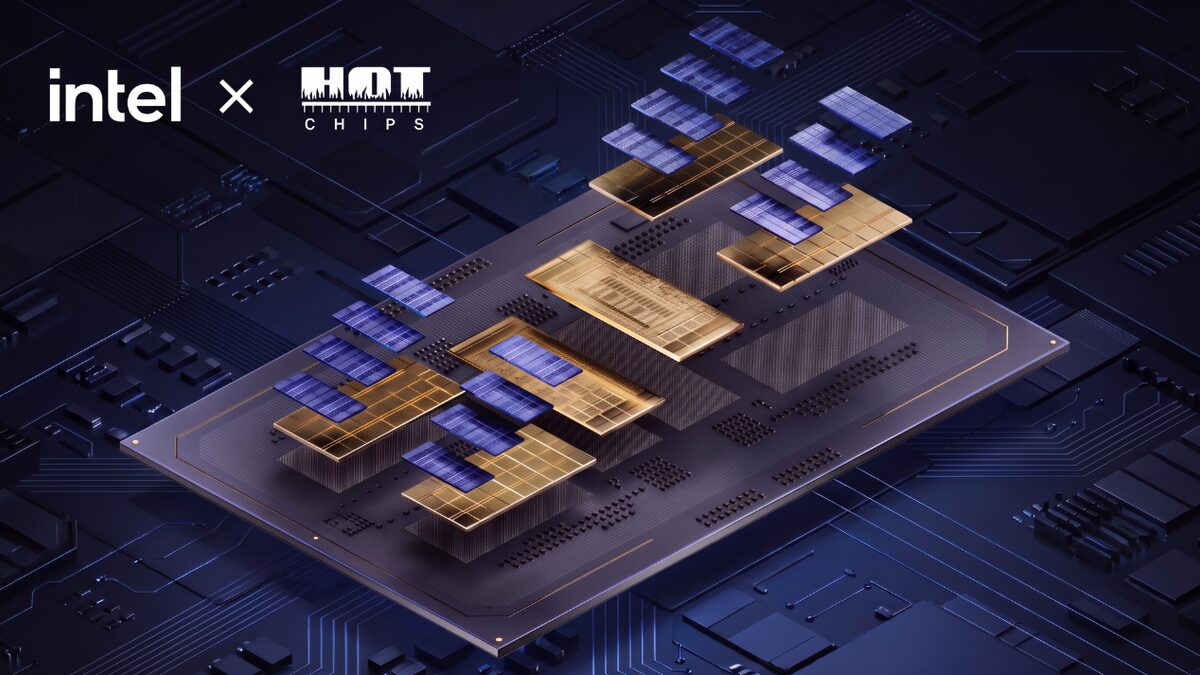
Intel, IBM, Meta and SiFive each showed a different answer to serving model calls cheaply. Two are already in production, one is a 2027 Xeon.
Chips, GPUs, laptops, and hardware industry news.
Intel, IBM, Meta and SiFive each showed a different answer to serving model calls cheaply. Two are already in production, one is a 2027 Xeon.
Taalas casts a model's weights into transistors. Its 6nm test chip served Llama 3.1 8B at roughly 17,000 tokens per second, and AMD just bought the company.

Anthropic confirmed a custom silicon team for Claude. The target looks like inference cost, and OpenAI's Broadcom chip already ran the same play.
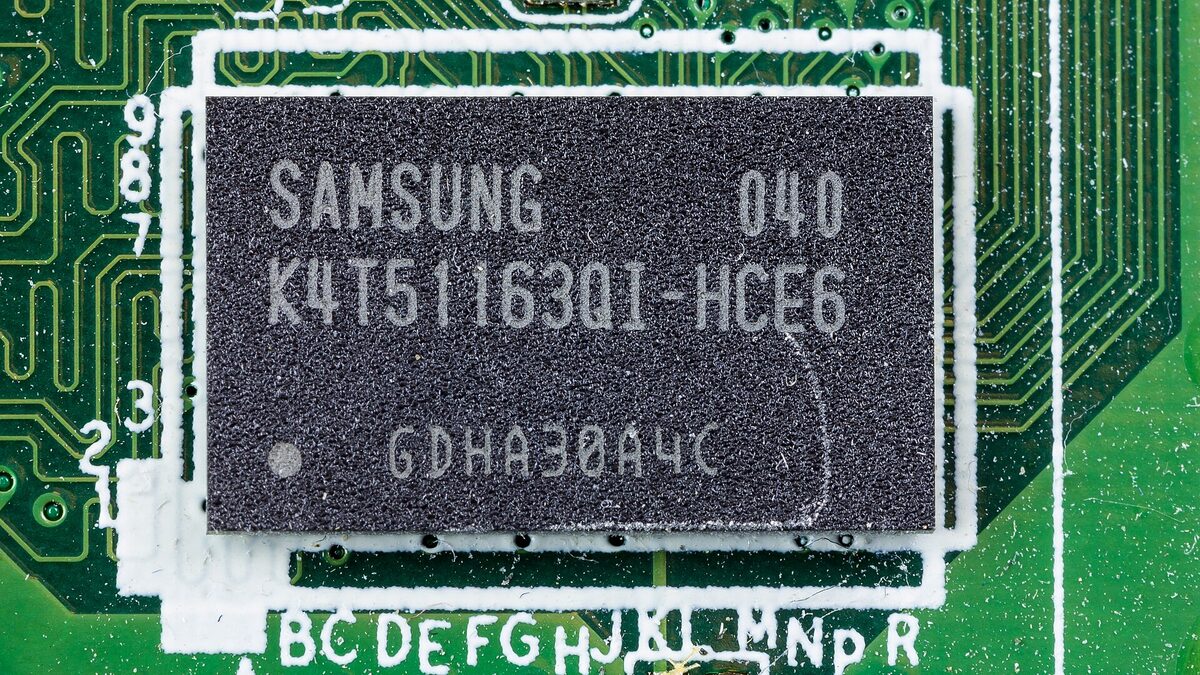
Samsung signed an MOU with Broadcom worth more than $200 billion through 2030 across memory, 2nm foundry and advanced packaging. Nvidia locked up SK Hynix the same day.
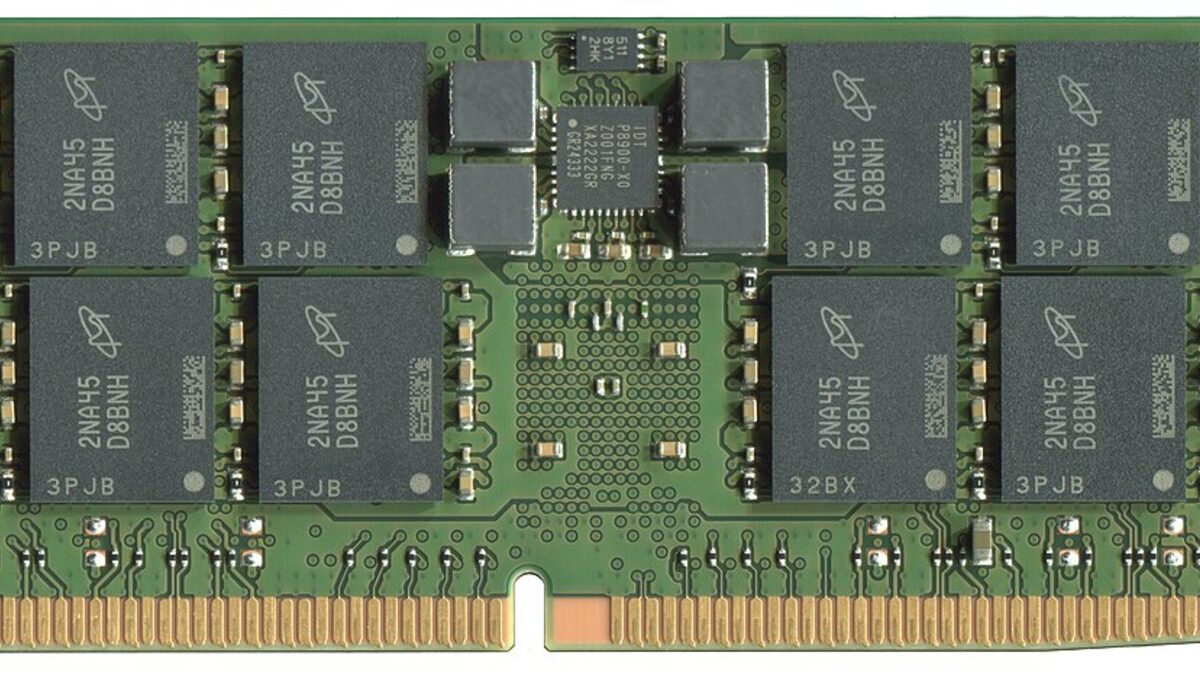
HBM stacks for AI accelerators outbid the DRAM in phones and laptops. Qualcomm, Roku and Google have all repriced, and IDC sees PC prices up 18.3% this year.
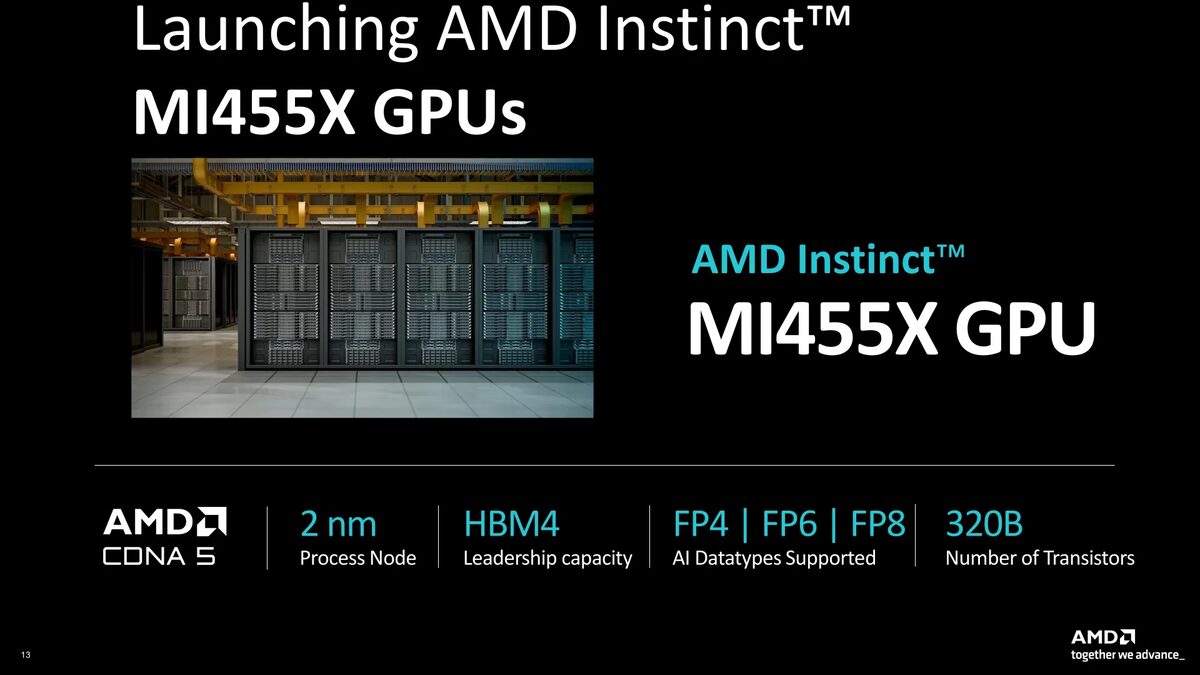
AMD launched the Instinct MI455X and its Helios rack-scale system, tying 72 GPUs and 31TB of HBM4 into one machine to challenge Nvidia's data-center grip.
Nvidia already dominates AI GPUs. Now it's pushing to supply the CPU, the network, and the whole rack. Here's who that squeezes and whether buyers benefit.

Flipper Devices says the Flipper Zero isn't abandoned, but a 700 KB flash limit is pushing firmware work onto the community while its team builds new hardware.
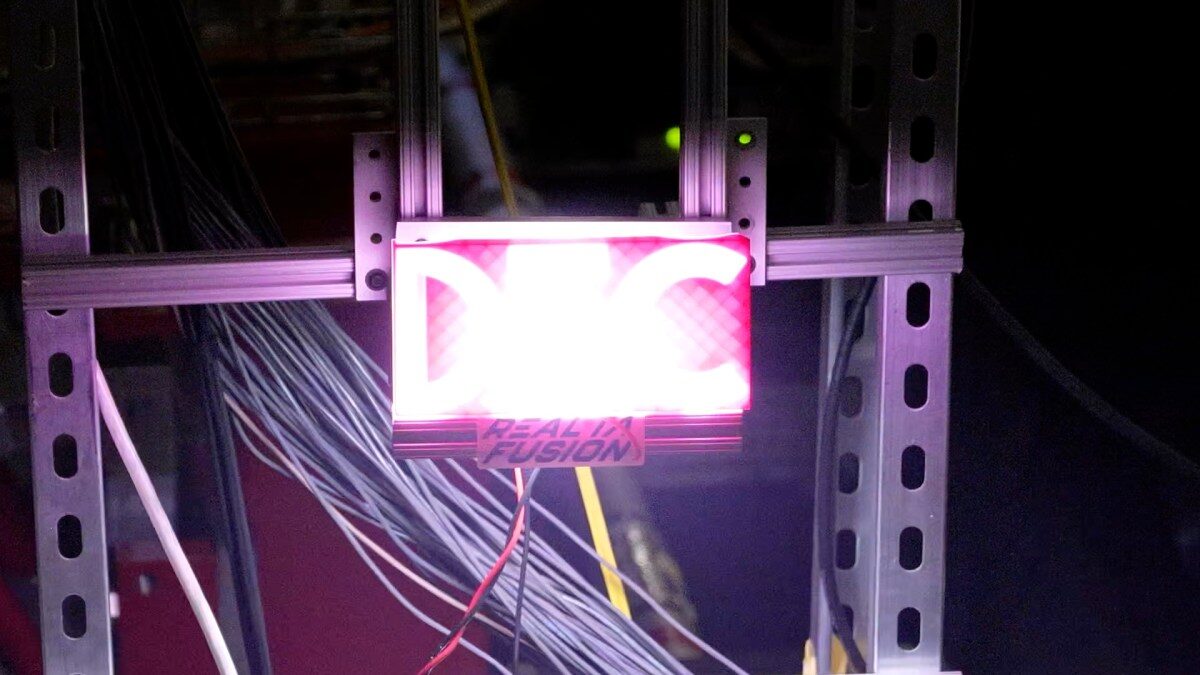
Realta Fusion says it converted fusion plasma energy directly into electricity on its WHAM device, an apparent industry first. It is not net-energy gain.
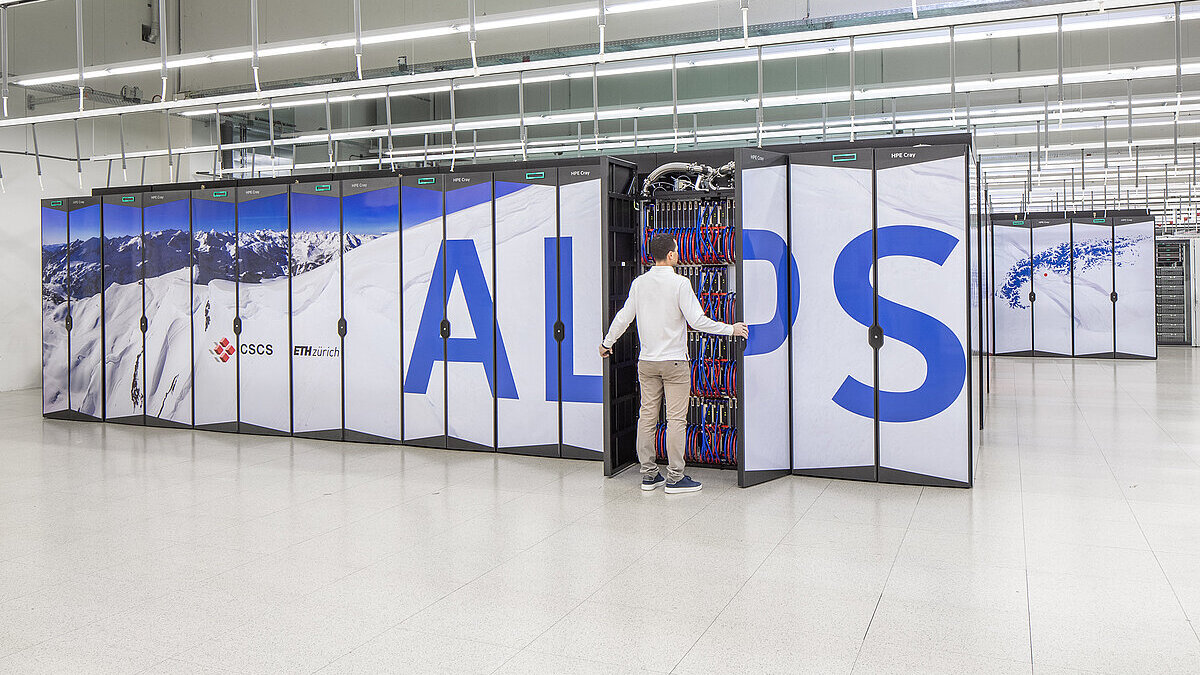
A Chinese system called LineShine debuted at No. 1 on the TOP500 at ISC'26, running entirely on domestic CPUs co-designed with Huawei. Here's what that means.
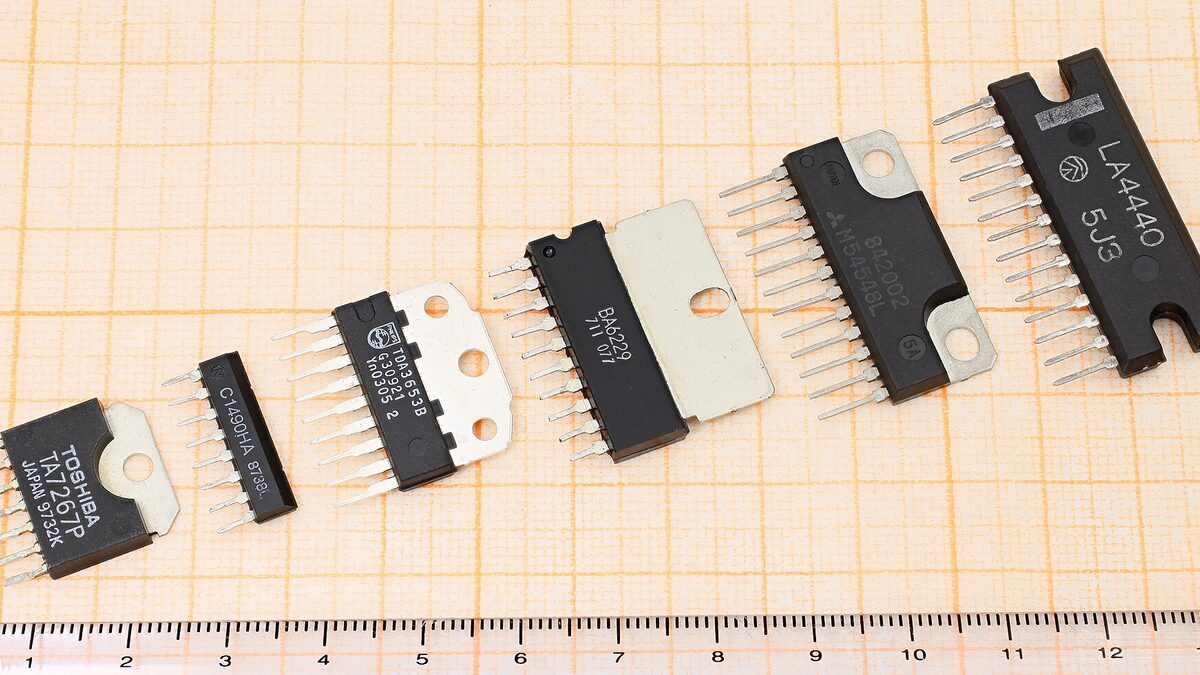
South Korea announced a roughly $576 billion (W900 trillion) AI-chip push led by Samsung and SK Hynix, targeting HBM, DRAM fabs, and AI data centers.
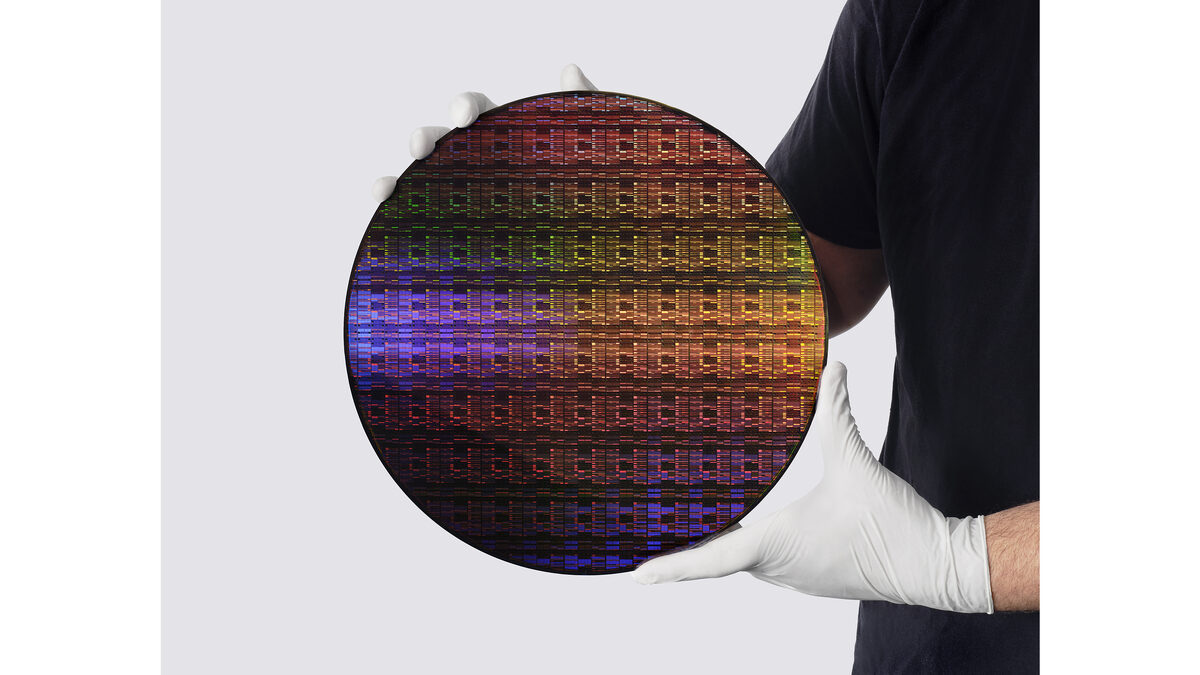
IBM showed a 0.7nm 'nanostack' transistor with ~100 billion transistors on a fingernail. It's real research, but the name is marketing and shipping silicon is years out.
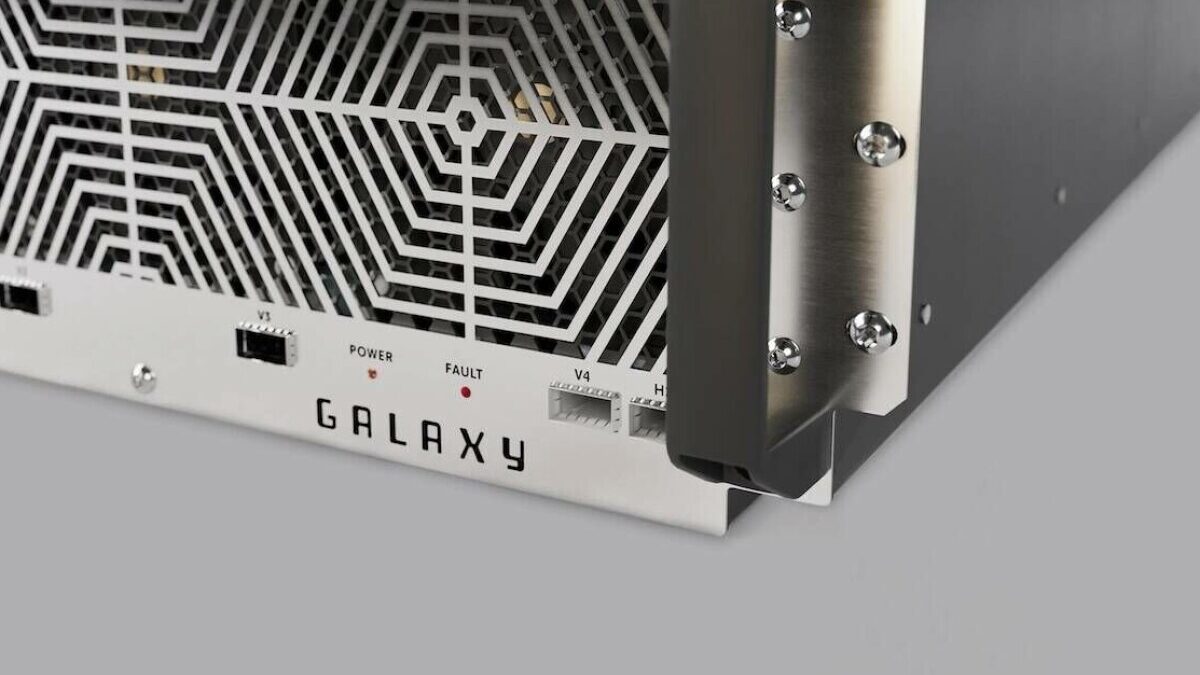
Qualcomm is in talks to buy Tenstorrent for up to $10 billion, per Reuters and The Information. The bet: a RISC-V challenger to Nvidia, not just phones.

Tim Cook told the WSJ that Apple price rises are unavoidable as an AI-driven memory crunch quadruples DRAM and NAND costs across every consumer device.
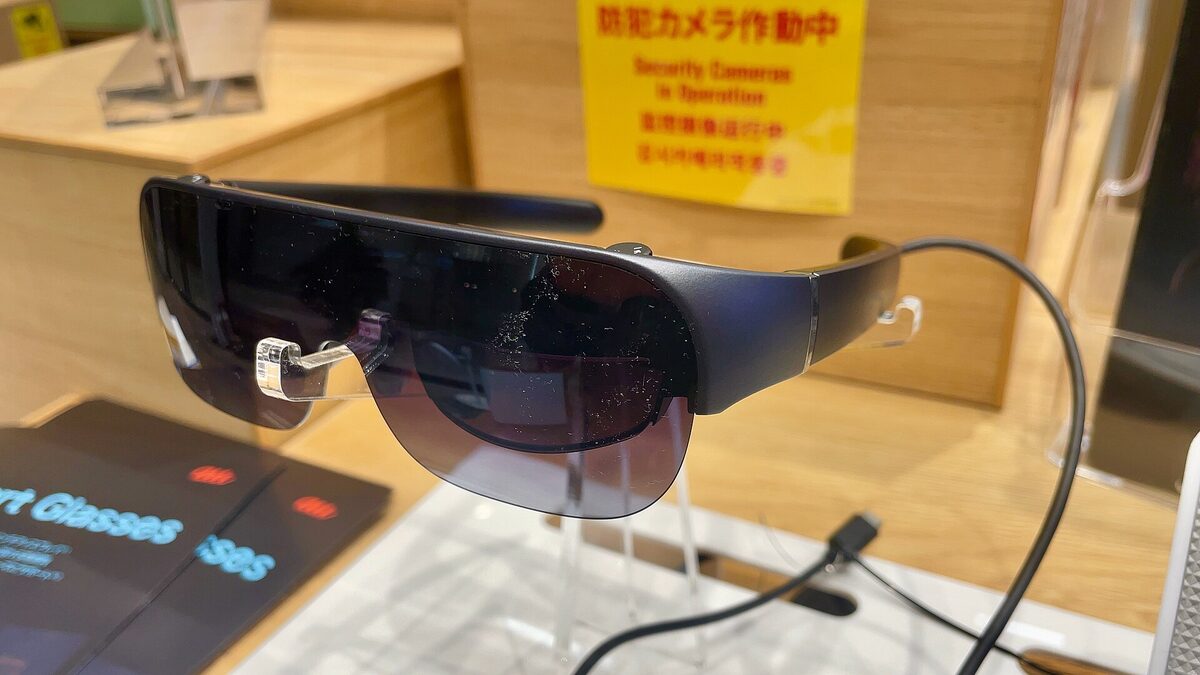
Snap shipped Specs, standalone AR glasses that Evan Spiegel calls the next computer. The hardware is real; the $2,195 price is the problem, and the stock fell.

A Renault explainer on rare-earth-free EV motors hit Hacker News. Here's how electric cars run without the magnets China controls, and who's shipping them.
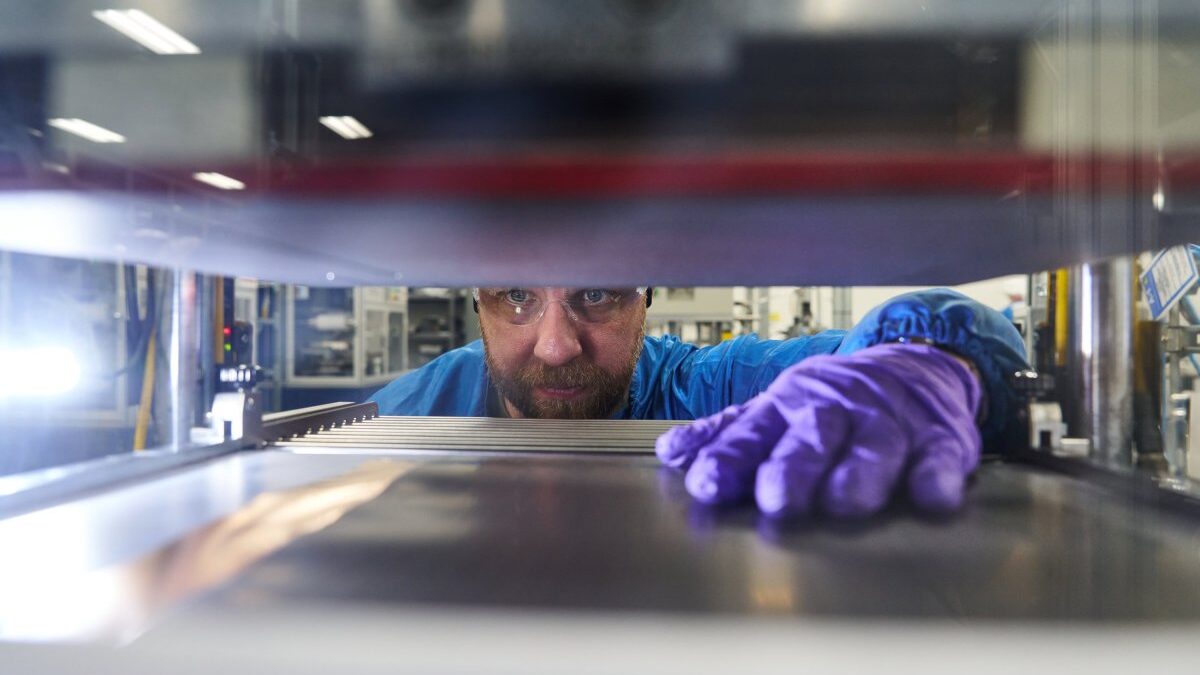
GM is pouring $900M into a new LMR battery plan, betting a cheaper chemistry gets its EVs to price parity with gas trucks by 2028. Here's the play.
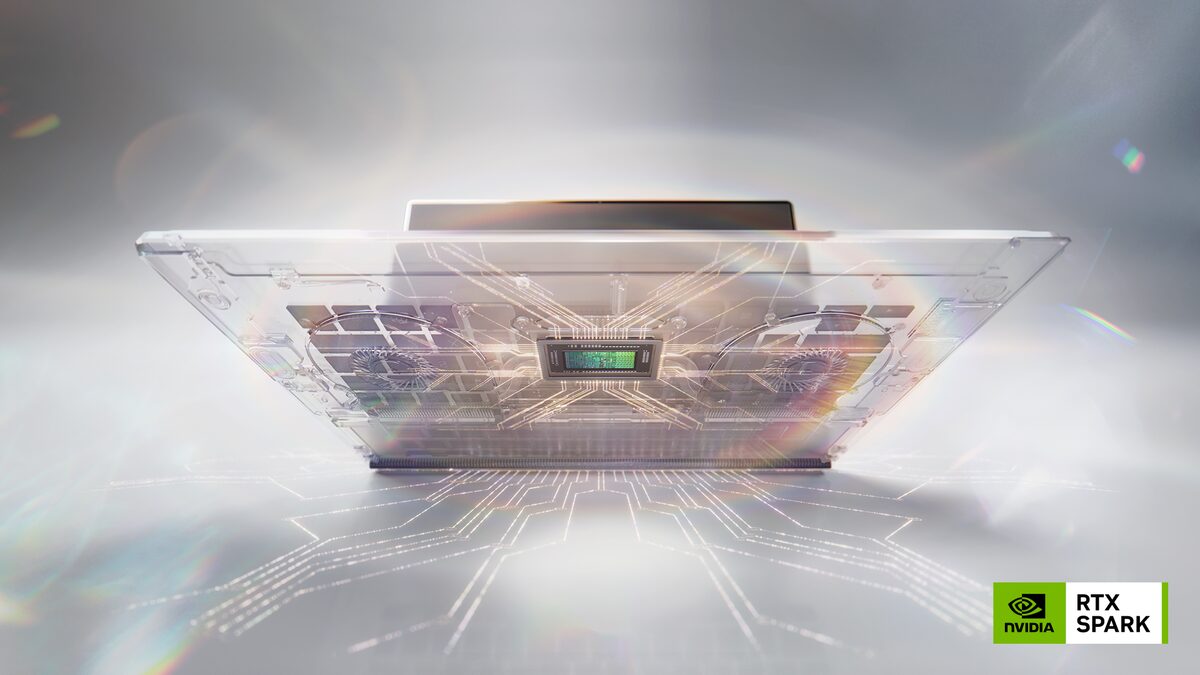
Nvidia's RTX Spark laptops put a Grace Blackwell superchip and 128GB of unified memory in a notebook, aimed at running 120B-parameter models offline.