Oura shrank the Ring 5 by 40% and raised the price $50 to $399
Oura's Ring 5 is 40% smaller than the Ring 4, adds live workout tracking and an AI Advisor, and costs $50 more. Here's what's new and whether it's worth it.
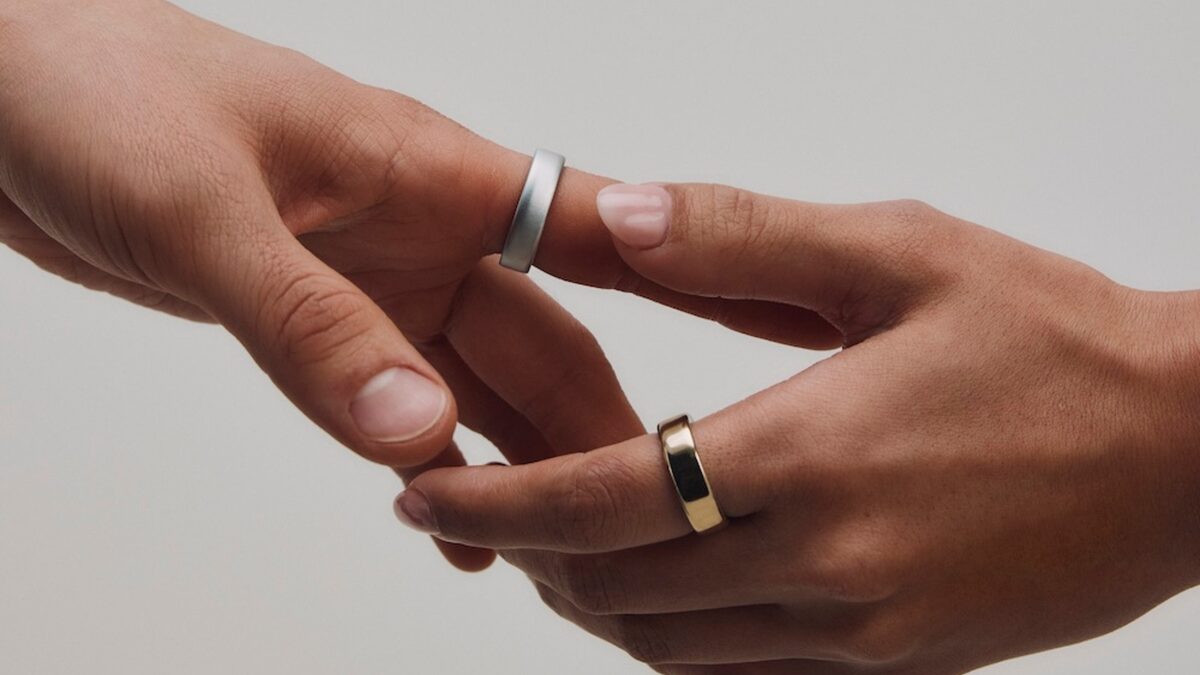
Oura launched the Ring 5 on Thursday, and it’s 40% smaller than the Ring 4. The base model now costs $399, a $50 jump, and for the first time an Oura ring tracks workouts live on your phone.
This is the first hardware refresh since Oura, the Finnish company that reportedly cleared roughly $1 billion in 2025 revenue, started fending off Samsung in court and in stores. The Ring 5 is thinner, claims six to nine days of battery, and leans hard into AI health features. But the $5.99-a-month membership that gates most of the software hasn’t gone anywhere, and nobody outside Oura has reviewed the thing yet. That matters because the smart ring pitch lives or dies on two things you can’t see on a spec sheet: whether it disappears on your finger, and whether the data it collects is accurate enough to act on. Oura sells both as solved. Reviews will say if they are.
What we know
Oura announced the Ring 5 on May 28, with preorders open and shipping starting June 4. The specs and pricing come straight from the company and early hands-on coverage:
- Size and weight. The Ring 5 measures 6.09mm wide and 2.28mm thick, which Oura says is 40% smaller than the Ring 4 and the smallest smart ring on the market. Notebookcheck describes that as a width drop of roughly 2mm and a thinner profile versus the prior generation.
- Price. It starts at $399 for black or silver, $499 for gold, deep rose, brushed silver, and stealth. That base price is a $50 increase: Notebookcheck notes the silver or black model is up $50 (or €30) over the Ring 4.
- Build. Scratch-resistant titanium with a PVD coating, an IP68 rating, and waterproofing to 100 meters. Sizes run 6 through 13.
- Battery. Oura claims six to nine days per charge, up from the Ring 4’s five to eight. An optional charging case (sold separately, recycled aluminum) holds about a month of total power.
- Sensors. A redesigned sensor array with 12 signal pathways that Oura says delivers a pulse signal up to 100 times stronger than wrist wearables.
- Live activity tracking. New for an Oura ring: start a workout and watch key metrics update in real time on your phone.
- AI features. Oura Advisor, the company’s AI that turns your data into sleep and fitness suggestions, plus Health Radar (blood pressure and nighttime breathing trends), GLP-1 Insights for people on weight-loss meds, and an in-app tie-in with Counsel Health for AI-assisted guidance and licensed U.S. physicians.
Oura CEO Tom Hale framed the launch around accessibility. “Oura Ring 5 is a big step toward our vision of giving every body a voice,” he said in the announcement. The shape came from demand. VP of product Maz Brumand told TechCrunch that members had been asking the company to make a ring that was smaller and thinner.
What we don’t know
The press specs are confirmed. The lived experience isn’t. As of the May 28 launch, no independent reviewer has tested the Ring 5, so a few things stay open:
- Real battery life. Six to nine days is the claim. Smaller batteries plus a beefier sensor array and live tracking could pull that down in practice. No independent test has run yet.
- AI accuracy. Health Radar tracks blood pressure and breathing patterns, and Oura Advisor turns readings into advice. How reliable those signals are, and how often the AI surfaces something useful versus noise, won’t be clear until people wear it for weeks. Oura describes these as trend and pattern features, not medical diagnoses.
- The Counsel Health cost. The $5.99/month membership ($70/year) covers the core platform, but TechCrunch notes the on-demand physician care through Counsel Health carries an additional fee Oura hasn’t detailed.
- Review embargo. As of launch day, no full third-party review is out. Treat the comfort and accuracy story as Oura’s pitch, not a verdict.
Source attribution
Oura’s own Pulse blog post is the primary source for specs, pricing, and the Tom Hale quote. TechCrunch added the June 4 ship date and the Brumand quote (linked in full below). Notebookcheck confirmed the $50 increase against the Ring 4. Market context, including Oura’s reported revenue and its patent fight with Samsung, comes from launch-week coverage at CNBC and Bloomberg.
What this means for you
If you already own a Ring 4, sit this one out. The Ring 5 is mostly thinner glass over the same core idea, and most of the new AI work lands in software that older rings get too. The upgrade makes more sense for first-time buyers or anyone on a Ring 3 who wants real-time workout data and a ring that looks less like a gadget.
Watch the math before you click buy. The $399 sticker is only the start. You’re also signing up for $5.99 a month, and Counsel Health costs extra on top. Against Samsung’s $399 Galaxy Ring, which has no mandatory subscription, Oura’s edge is its tracking, not its price. Apple still has no ring, and Bloomberg reports it isn’t building one. So Oura sets the pace here. Just don’t buy on the spec sheet alone. Wait for the reviews that land between now and the June 4 ship date, especially on battery and HRV accuracy.
Share this article