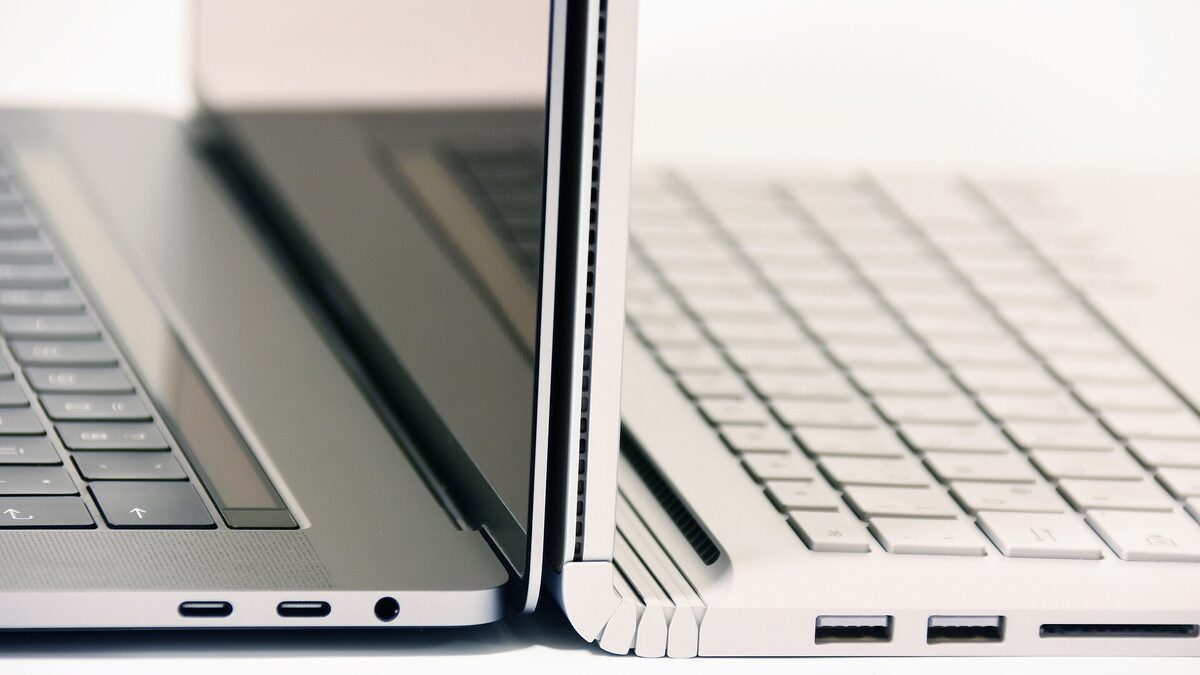
iPhone Duo: the best foldable software yet, on the heaviest iPhone Apple has shipped
Apple's $1,999 foldable solves the software half of the problem and loses the hardware half. At 254 grams it outweighs every Android foldable on sale.
Signal for devs. Tech news, leaks, and trends.

Apple's $1,999 foldable solves the software half of the problem and loses the hardware half. At 254 grams it outweighs every Android foldable on sale.

Adam Wathan says Tailwind CSS stays MIT-licensed under Shopify. Tailwind Plus and ui.sh closed to new customers the same day, ending the revenue behind it.

Automattic's board put its founder on paid leave with 50 minutes of notice and no legal review. CFO Mark Davies is interim CEO. WordPress.org is untouched.

Apple's S11 chip walls microphone audio off from watchOS, apps and Apple itself. The condensed text of a Siri Recap still travels to Private Cloud Compute.

A dark web service listed scans of 153 million US and Canadian licenses. Krebs's timestamp analysis points at IDScan.net, and the FBI opened an inquiry.

Brockman called it the AGI era. Astra shipped to Daybreak enterprises first at $10/$50 per million tokens, and the cyber build stays gated.
Claude Code, Codex, background agents, Routines, and the fast-moving race to let AI run developer workflows end-to-end.
Language releases, IDE fights, design-tool shakeups, and the shipping calendars of the tools developers actually use every day. Not just the AI agents on top — the platforms underneath.
Frontier model launches, independent benchmarks, leaked capabilities, and the open-vs-closed split. Opus, GPT, Gemini, Qwen — every release, dissected.
Licensing fights, foundation funding crises, the RubyGems fork, Ubuntu LTS cycles, Firefox's AI-assisted security push, and the governance questions the ecosystem keeps punting on.
Custom silicon, gigawatt deals, data-center disclosure rules, and the physical capex behind the AI boom. Who's building, who's buying, who's regulating.
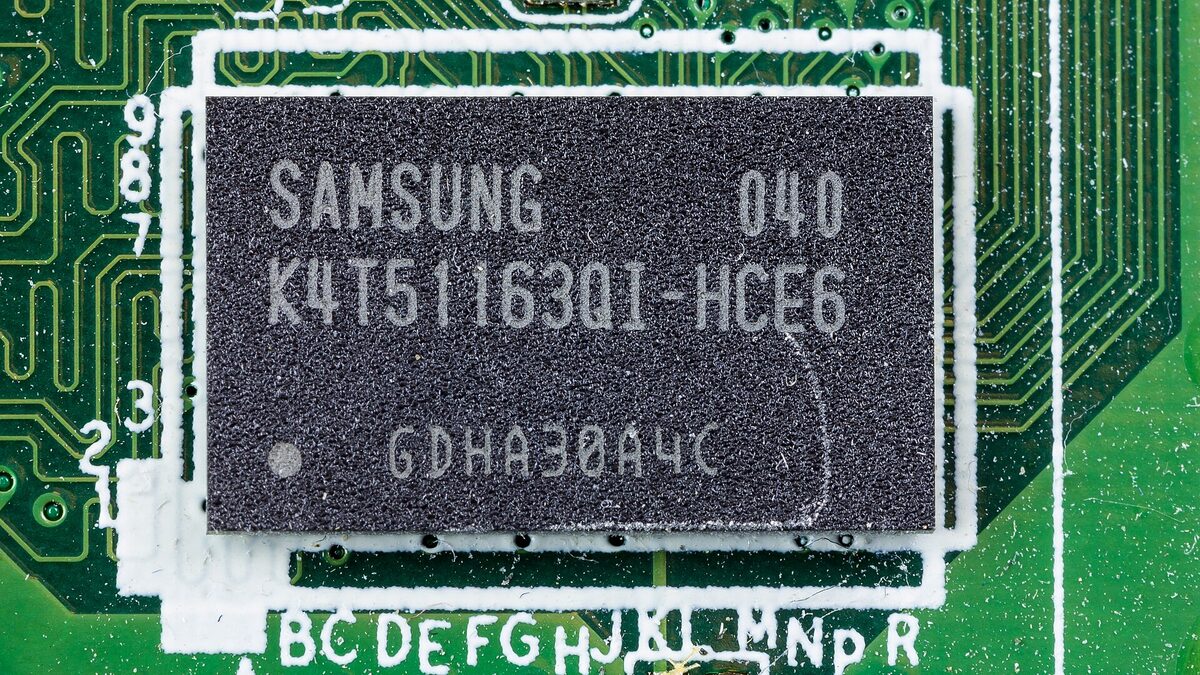
Foundry politics, memory-industry wage wars, the DRAM shortage, HBM supply, and the physical chips that increasingly decide what ships and at what price.
Package worms, compromised CI pipelines, npm and PyPI attacks, hardware-side exploits, and the post-quantum migration. The security beat for people who build with other people's code.
Tim Cook's handoff, the Siri bootcamp, the Gemini deal, the iPhone 18 Pro's under-display Face ID, and whether Apple can close its AI gap before WWDC 2026.
The EU Battery Regulation, Android's sideloading squeeze, data-center siting fights, and the licensing rulings reshaping open source. Where the lawyers set the calendar, not the CEOs.

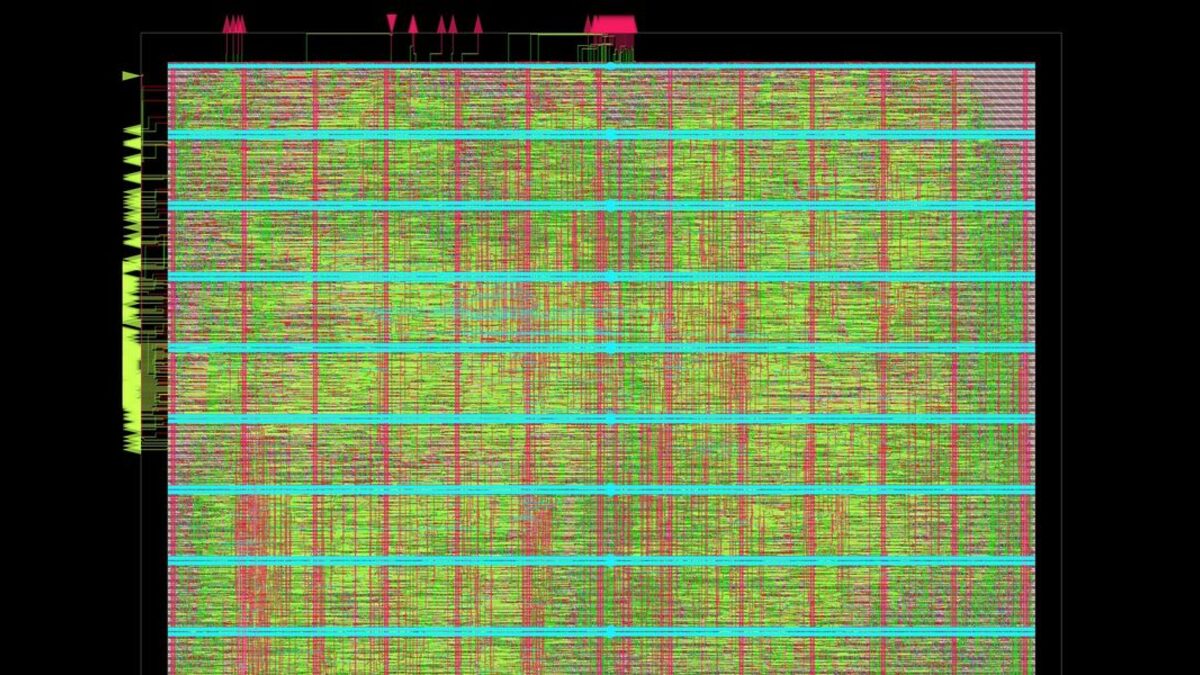
Verkor's Design Conductor agent went from a 219-word spec to a tape-out-ready RISC-V core called VerCore in 12 hours. The catch: it's still a Celeron.

Anthropic's Fable 5.1 doubles a science benchmark and cuts cache reads 75%. Independent tests measured tasks costing up to 3x more than Fable 5.

The FTC and 22 states allege Amazon quietly turned its second-price ad auction into a first-price one, charging Sponsored Products winners their full bid.

Omarchy's installer put the default user in the docker group, which is passwordless root on Linux. Version 4.0.1 drops it and old installs migrate at login.

Aikido found a stage-2 Go binary inside two health-check-themed packages that runs an OpenAI-compatible router routing Claude, GPT, and Gemini traffic through Chinese aggregators.

Qwen3.8-Max is a 2.4-trillion-parameter MoE that tops Claude Fable 5 on Terminal-Bench 2.1 and trails it badly on SWE-bench Pro. It's the first open Max-tier Qwen.
Qwen3.8-Max, Kimi K3 and DeepSeek V4 Flash are trading the open-weight lead month by month.

Hugging Face turned down Nvidia at a $7 billion valuation last year. The reported price is now $12.9 billion, and the ggml maintainers come with it.

Salvatore Sanfilippo repacked DeepSeek V4 Flash into a lossless MXFP4 GGUF that streams from SSD at over 20 tokens a second. The hardware bill, and where hosted still wins.

Kimi K3, GLM 5.2 and DeepSeek V4 put open-weight AI next to the frontier this month. What each model is good at, and why the benchmarks mislead.
AI demand has memory sold out into 2027, and it is landing on phone, laptop and console prices.

Korean reports say Samsung is redirecting display driver ICs booked for 2027 into Galaxy Z Fold 8 production. Some US delivery dates have slipped to October.

Cloudflare's 1.1.1.1 holds 250 billion DNS cache entries. Five Rust layout changes cut each one from 953 bytes to 420, and lookups got faster.

The M6 is Apple's first 2nm chip and it debuts in the cheapest desktop. Mac Studio gets M5 Max and a quad-die M5 Ultra. M6 caps out at 32GB of unified memory.
Apple's September 9 event is close, and the leaks now cover the camera, Face ID and the foldable.

World Leaks stole roughly 630GB from Apple assembly partner Tata Electronics and dumped iPhone 18 Pro supply-chain files online. India opened a criminal probe.

The latest iPhone 18 Pro leaks point to a fatter rear camera, a wider A20 Pro memory bus, under-display Face ID, and a battery jump that may be smaller than the hype.

Leaked case renders and design mockups put the foldable iPhone Ultra back on a September track, with a near-creaseless screen, dual rear cameras, and a possible white-only finish.

Qwen3.8-Max is a 2.4-trillion-parameter MoE that tops Claude Fable 5 on Terminal-Bench 2.1 and trails it badly on SWE-bench Pro. It's the first open Max-tier Qwen.

GenAI.mil now serves OpenAI's ChatGPT Mil and Starshield AI's Grok for Government at IL5, nine months after Google's Gemini opened the portal.

Boris Cherny on Claude Code, Applied AI on prompting, Erik Schluntz on vibe coding in prod. Three Code with Claude tapes hit YouTube ahead of the 2026 conference.

Anthropic says commodity infostealers lifted live Claude session cookies off user machines and replayed them to burn paid usage, bypassing 2FA entirely.

Internal documents reviewed by Reuters show Meta explored 60% team cuts under Project OT, then dropped it once its own agents started taking disruptive actions.

Anthropic makes auto mode the default in Claude Code on August 14. Its own study says the permission prompt was catching almost nothing.

Uber's year of AI budget lasted until April. A 15-company survey shows per-developer spend running from $200 to $3,000 a month, and finance has noticed.

Taiwan's Keelung prosecutors charged nine people, including an Nvidia Taiwan manager and two Supermicro sales managers, over 74 B300 servers that reached China.

Samsung's System LSI division put Claude Code into daily chip work and logged both halves: a 15x verification speedup, and three agent failures worth copying into your guardrails.

Meta's Muse Code is in beta on macOS and Linux, priced at $1.25 per million input tokens. Meta's own benchmarks put it behind Claude Opus 5.

Five Rust teams ratified an LLM policy that bans AI-written docs and mandates disclosure. Linux leaves it to each maintainer. Both are rationing review time.

Warp released its 36k-star Rust client on GitHub under AGPLv3 on April 28. OpenAI is the founding sponsor and Oz keeps the bills paid.

OpenAI published ten results in math and theoretical CS from an internal build of Astra, with Lean 4 certificates for every proof. What that verification does and doesn't settle.

A ChinaTalk investigation reveals how 'transfer stations' resell Anthropic API access using stolen credentials, model substitution, and prompt harvesting.

A popular Hacker News how-to walked through a fully local coding agent on Apple Silicon. Here's the realistic 2026 stack: runner, model, and harness.