Snap's $2,195 Specs are real standalone AR glasses almost no one can afford
Snap shipped Specs, standalone AR glasses that Evan Spiegel calls the next computer. The hardware is real; the $2,195 price is the problem, and the stock fell.
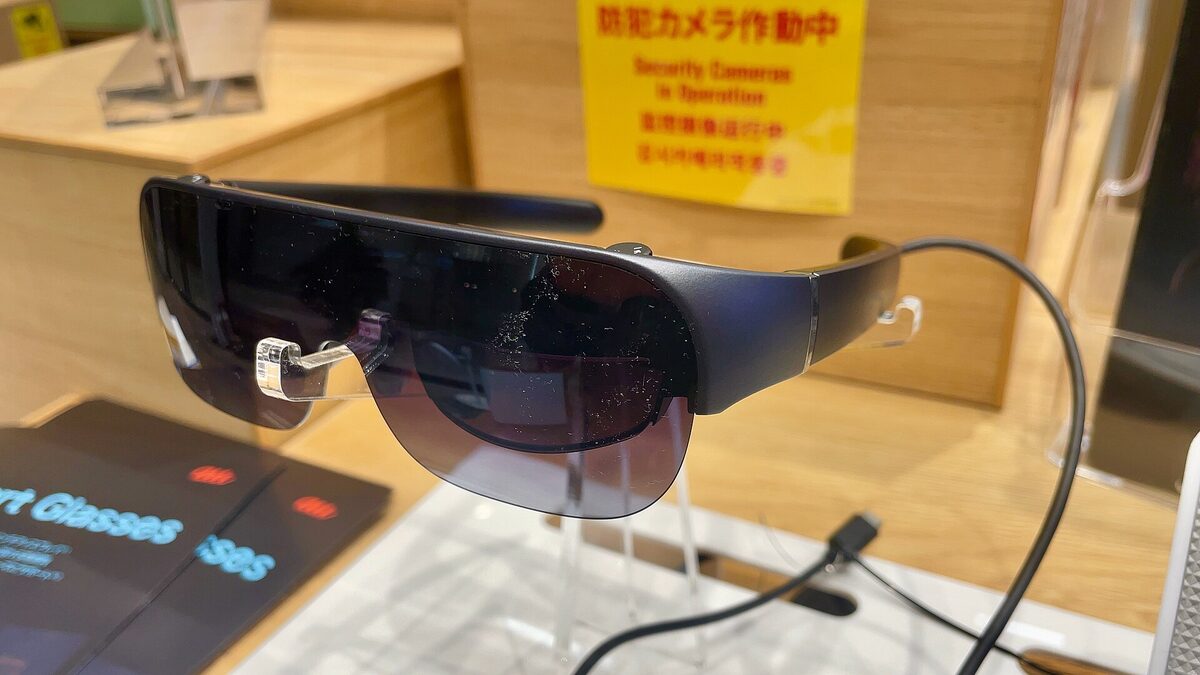
Snap shipped Specs, and they cost $2,195. The glasses ship in fall 2026 in the US, UK, and France, with pre-orders open now behind a $200 refundable deposit. Co-founder Evan Spiegel calls them a computer, the start of a new era after the smartphone. The price is the whole story.
This is the first standalone consumer AR product anyone has actually put on sale, not a developer kit and not a phone accessory. That matters because the rest of the industry is hedging. Meta, Samsung, and Apple are all shipping or testing cheaper display glasses that lean on a paired phone. Snap built the full computer into the frames and charged accordingly. Whether that bet survives contact with a buyer who can spend laptop money on eyewear is the question the market just answered, at least for a day.
What we know
The specs are detailed and, unusually for this category, all on the box. Per Snap’s launch release, Specs use a proprietary liquid-crystal-on-silicon display with a 51-degree field of view, which Snap likens to a 24-inch desktop monitor or a 115-inch cinema screen viewed from 10 feet. Two Snapdragon chips run the show, one for computer vision and one for the apps Snap calls Lenses. Motion-to-photon latency is 7 milliseconds. The frames are Swiss TR90 polymer, come in 47mm and 52mm sizes, and weigh 132 and 136 grams. Battery runs up to four hours of mixed use, with a charging case good for four more top-ups.
The pitch is that this is a wearable computer, not an accessory. There’s a built-in browser and contextual AI help that can see what you see. Developers get tooling that plugs into Claude Code, Codex, and Cursor.
- Price is $2,195, with a $200 refundable deposit to pre-order at specs.com.
- It’s a true standalone device. No tethered phone, both processors are on board.
- Snap stock fell after the launch. Shares dropped 9.6% on the day, the worst single session since March, against a stock already down more than 30% year to date.
Spiegel made the framing explicit. “The most important way to think about Specs is as a computer,” he said in remarks reported by CNBC. “They’re comparably priced to other high-end computers or high-end laptops.” In the launch release, he added that Specs “bring computing into the world, where life actually happens.”
What we don’t know
The big unknown is demand. Snap hasn’t shared a sales target or a unit forecast, and “pre-orders are open” tells you nothing about how many. The deposit being refundable cuts both ways: it lowers the bar to reserve a pair, and it means a reservation isn’t a sale.
We also don’t know real-world battery behavior. Four hours of mixed use is a spec-sheet figure, and AR workloads are exactly the kind that drain a battery faster than the label suggests. Comfort is another open question for an all-day-wear pitch, even at 132 grams. And the AI features lean on contextual assistance that Snap is still building out, so the experience at ship may not match the demo.
Who reported this
Snap announced Specs itself, so the price, specs, and ship window are confirmed facts, not leaks. TechCrunch and CNBC covered the stock reaction and Spiegel’s post-smartphone framing, and Engadget notes Specs cost close to three times as much as Meta’s Ray-Ban Display glasses, which do far less.
What this means for you
If you’ve been waiting for AR that works without a phone strapped to it, Specs are the first real option you can buy. That’s the good news. The catch is the price, and it’s a big one. At $2,195 you’re paying MacBook Pro money for glasses, and Spiegel knows it, which is why he keeps calling them a computer instead of eyewear. Compare the field: Snap’s own neighbor Samsung is shipping cheaper Android XR glasses this fall, Apple is testing display-glasses frame styles, and Meta’s Ray-Ban Display sits near a third of Snap’s price. Those bets all assume the phone does the heavy lifting. Snap’s bet is that you’ll pay for the whole computer on your face. My read: wait. Standalone AR is finally real, but the first version at this price is for early adopters and developers, not for anyone weighing it against a next wearable like the Oura Ring. Let the price come down and the apps catch up.
Share this article
Sources
- Snap Inc. Debuts SPECS Augmented Reality Glasses to Make Computing More Human — Snap Inc.
- After debuting ridiculously expensive AR glasses, Snap's stock takes a dive — TechCrunch
- Snap debuts $2,195 Specs AR glasses as Spiegel bets on post-smartphone future — CNBC
- Snap's slimmed down AR Specs go on sale later this year for $2,195 — Engadget
- Tech faceplant: Snap plunges 9.6% after debuting bulky $2,195 AR glasses — Yahoo Finance