Apple's smart glasses are up to four frame styles in testing, Gurman reports
Mark Gurman's Sunday newsletter says Apple is testing at least four acetate frame styles for its N50 smart glasses, plus three colors and a vertical camera array.
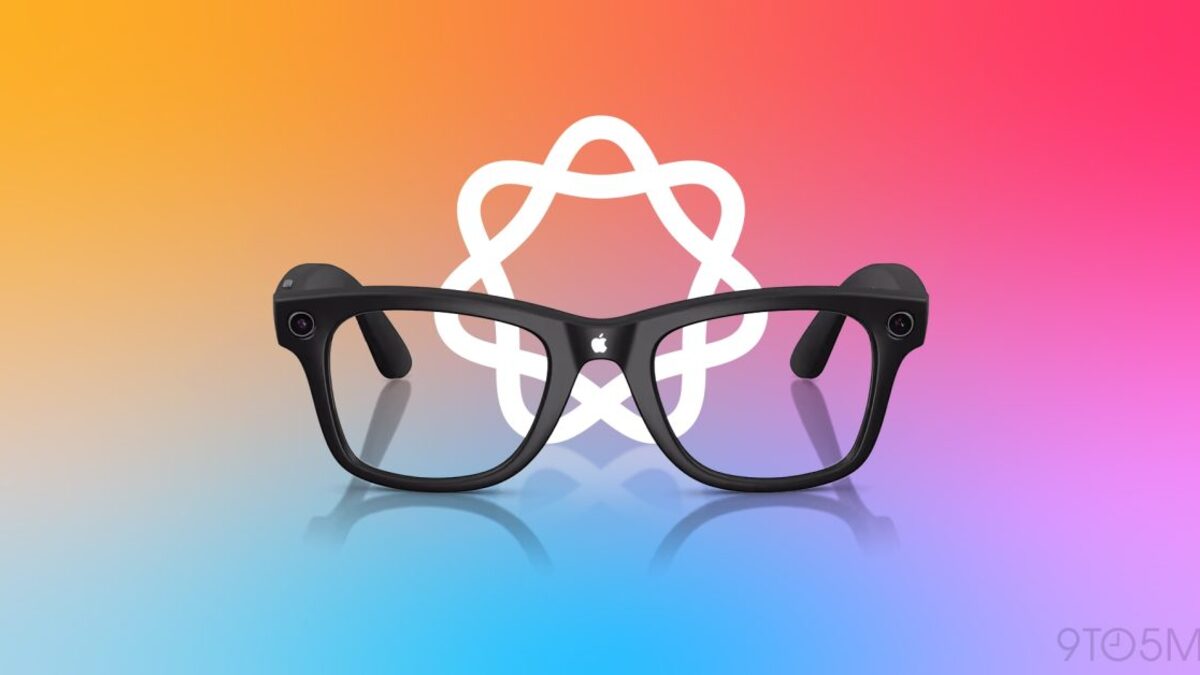
Apple is testing at least four frame styles for its first smart glasses, according to Bloomberg’s Mark Gurman in his Sunday Power On newsletter. The device is internally codenamed N50. No display. Cameras, microphones, speakers, and Apple Intelligence. Spring or summer 2027 if things go well, which, for an Apple hardware project at this stage, is very much an “if.”
The four frames
Per Gurman (and as surfaced by 9to5Mac the morning after the newsletter went out), Apple is prototyping:
- A large rectangular frame, the Ray-Ban Wayfarer shape that Meta’s Ray-Ban collaboration has already made the default.
- A slimmer rectangular style, reportedly modeled on Tim Cook’s own glasses. Apple CEOs get this perk.
- A larger oval or circular frame, leaning into the retro trend.
- A smaller oval for people who find Wayfarers overwhelming.
The frame material isn’t injection-molded plastic. It’s acetate, the same material premium eyewear brands use. Acetate is heavier to work with, but it holds color better, feels warmer, and ages without the brittleness plastic develops. It’s the right choice if Apple wants these to sit next to a $400 pair of Oliver Peoples on the shelf rather than next to a $299 Meta Ray-Ban. The Bloomberg report says three colors are under review: black, ocean blue, and light brown.
The cameras are arranged in a vertical oval module flanked by LED indicator lights, similar to how the current iPhone Pro signals with the hardware-level camera indicator. That last detail matters more than the styling. Privacy pushback is the single biggest barrier to smart-glasses adoption, and Apple putting a hardware-level on/off indicator at the lens speaks directly to that.
Why display-free is the right call
Apple is explicitly not shipping AR glasses here. There is no waveguide, no projected display, no overlay. MacRumors confirms the N50 is a “display-free” product. That’s a deliberate bet.
The case for display-free: battery lasts longer, weight stays normal, price stays below the Vision Pro tier, and the privacy conversation is simpler. Meta has already shown that a no-display Ray-Ban selling for $299-$399 moves in real consumer volume (about seven million units by some counts since launch). Apple copying that product shape and adding a tighter camera/mic/Siri loop is the path that sells millions, not tens of thousands.
The case against: without a display, the differentiator is whatever Apple Intelligence can do with always-on context. And Apple Intelligence right now is behind where Apple said it would be, enough that the company is retraining its Siri engineers on third-party AI coding tools. That’s not the timing you want if the entire product thesis leans on the assistant being great.
The Giannandrea complication
The same Bloomberg newsletter includes a bigger piece of news: John Giannandrea, Apple’s AI chief, is leaving. He’s the person Apple hired from Google in 2018 to catch up on machine learning and who has run the Siri and AI/ML groups since. He was also closely associated with the current Apple Intelligence architecture, which hasn’t been the company’s most celebrated ship.
The timing matters. A smart-glasses launch in 2027 that leans on contextual AI is being built while the AI org is mid-reorganization. That’s either going to accelerate things (new leadership, clearer mandate) or slow them down (transition cost, shipped roadmap in limbo). Bet on slow. Apple hardware projects in organizational flux tend to slip.
What this means for you
If you’re shopping smart glasses in the next twelve months, don’t wait for the Apple pair. The production window doesn’t start until December 2026, with retail arriving spring or summer 2027 at earliest, and Apple’s AI is in a rougher spot than the hardware marketing will imply. Ray-Ban Meta is the obviously right buy today if you want the camera/voice loop, and the Gen-3 refresh is expected this fall. If you build for wearables or visual computing, the signal to take away from Gurman’s piece is this: the industry has converged on “glasses without a display” as the right form factor for mass-market AI hardware, and Apple just confirmed it. The overlay-rich Vision Pro bet isn’t abandoned, but it’s being kept in a separate lane from the volume product. Plan accordingly. If you were counting on Apple building an AR developer platform through glasses, it’s still a Vision Pro story for now, and probably through the rest of the decade. For the wider context on how Apple Intelligence is tracking relative to the competition, our Gemini Mac app coverage lays out where the AI assistant race actually sits.
Share this article
Sources
- Apple AI Smart Glasses Features, Styles, Colors, Cameras; Giannandrea Leaving — Bloomberg
- Apple Glasses to sport high-end designs using premium materials, at least four styles in testing — 9to5Mac
- Apple Testing Four Smart Glasses Styles Made of High-End Materials — MacRumors
- Apple reportedly testing four designs for upcoming smart glasses — TechCrunch