AMD walled off Linux Vivado behind a paid tier. The free FPGA tier is now Windows only.
Vivado 2026.1 introduces a five-tier licensing model. The free BASIC tier supports Windows only; Linux requires the paid CORE tier. FPGA hobbyists are pushing back.
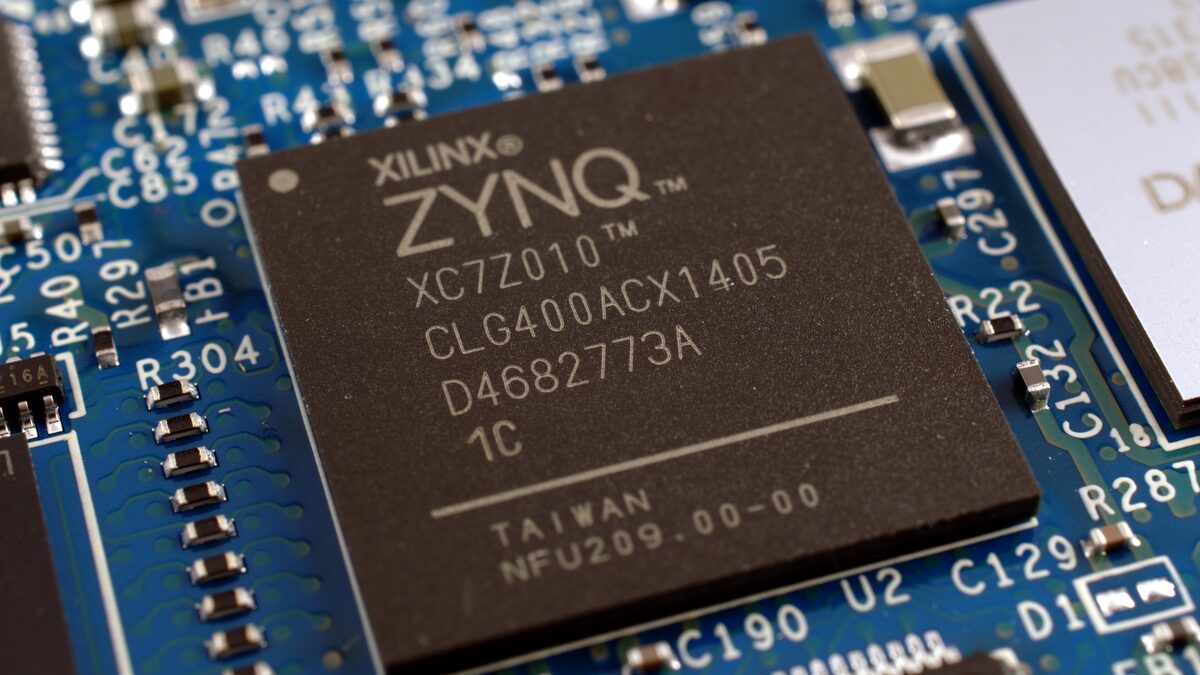
AMD posted a new Vivado licensing page that splits its FPGA toolchain into five tiers starting with the 2026.1 release. BASIC and CORE are annual subscriptions. PRO is the higher annual tier. ENTERPRISE and GOLD are perpetual. The free entry point is BASIC, and BASIC is Windows-only. Linux now starts at the paid CORE tier.
Community detection happened on May 22, when a user named the change in the AMD Adaptive Support forum and the question carried to Hacker News, where it sits at 322 points and counting. AMD has not published a rationale. The change has moved through quiet edits to the licensing page, an updated tier table on the buy page, and no release-notes commentary that anyone has surfaced yet.
The audience this hits is bigger than it looks. AMD’s Spartan and Artix families are the entry-level FPGAs that university hardware courses, open-source hardware projects, and a long tail of independent silicon engineers use to learn and prototype. The free Vivado WebPACK that those users have run on Ubuntu and Debian for the last decade is the path the new BASIC tier is closing. The economic ask isn’t huge for a company. For a single hobbyist or a small lab it’s a different conversation.
What’s actually in the tier change
Five tiers, two billing models, one Linux gate.
- BASIC (free, annual renewal) covers the most common hobbyist devices in the Spartan and small Artix families. Windows-only. The free path students and home users have taken for the last decade.
- CORE (paid annual) is the smallest tier with Linux included. The community-flagged thread, in Juan Torchia’s analysis on dev.to, is the first place anyone documented the OS split publicly.
- PRO (paid annual) opens up the larger Kintex, Virtex, and Zynq UltraScale+ device families. Linux included.
- ENTERPRISE (perpetual) is the prior Vivado ML Enterprise equivalent. Linux included.
- GOLD (perpetual) adds the high-end ACAP and Versal family. Linux included.
The wedge is the OS line, not the device line. For years, the free Vivado WebPACK and then Vivado ML Standard covered the small-device sweet spot on Windows and Linux equally. The new structure preserves device access on BASIC but cuts off the OS hobbyists and university labs actually run on.
Who this hits
University FPGA courses. Open-source hardware projects. The hobbyist who buys a $99 Arty board, runs Linux on a laptop, and wants to learn HDL without paying CORE-tier money up front. The CI pipelines that synthesize and place-and-route on Linux runners, which is approximately all of them, because GitHub Actions Windows minutes are 2x Linux minutes and most FPGA repos run their builds on Ubuntu.
Torchia, who runs an FPGA consultancy, puts the practical question directly: “repeating the news doesn’t help anyone. What actually matters is turning it into a verifiable technical decision.” His audit checklist for affected teams is mostly about whether their CI can survive the migration. Docker-based Vivado workflows on Linux runners are the load-bearing pattern, and BASIC won’t license those.
The element14 community thread, where AMD employees normally surface to comment, is titled bluntly: “AMD Changes Vivado License - Locks out Linux Support from Basic tier.” No AMD response on the thread as of writing.
A few mechanics matter
The change is, on paper, less aggressive than it looks. Vivado users who downloaded the existing 2025.2 release before 2026.1 ships can keep using it. The pre-tier installer remains available. What gets gated is the next-version path, which is where security fixes and new device support land. So the practical timeline is: existing FPGA work survives the year, new device families and new bug fixes don’t.
The open-source side is also in play. Yosys and nextpnr handle a meaningful subset of small-FPGA workflows already, with the bigger Xilinx parts still requiring vendor toolchains. The Lattice ecosystem has been a credible OSS escape valve for ECP5 and iCE40 designs for several years. The Vivado tier change makes the OSS toolchain math more attractive for new projects, but it doesn’t help anyone already committed to a Spartan-7 or Artix-7 board.
AMD’s silence is the most concrete data point. Vendor lockouts of free Linux access have happened before (Quartus Prime Lite for Intel/Altera quietly tightened device support last year), but they’ve usually come with at least a short rationale, even if it’s “RHEL certification got too expensive.” Here the company is letting the licensing page do the talking, which has produced exactly the discussion it should have expected.
What this means for you
If you teach an FPGA course on Xilinx parts: budget for either a Windows-lab migration or a CORE-tier license per seat. AMD’s academic-license program still exists, but the friction of getting one approved per semester is real, and the smaller the institution, the worse the math gets.
If you run a hobbyist FPGA project on a Spartan or Artix board: the 2025.2 toolchain is still downloadable, and it will keep working. The pragmatic answer is to stay on 2025.2 until either AMD reverses, you migrate to OSS toolchains (Yosys + nextpnr for Lattice and the small Xilinx subset), or you decide the paid CORE tier is worth it. Pin your dev environment now.
If you operate a Vivado CI pipeline: audit which Docker image and which Linux runner you’re on. The pre-tier ML Standard installer is fine to keep using on existing runners. New synthesis runs against a 2026.1-or-later image will need the CORE seat your org buys, which is per-user and not per-runner. That accounting is the painful part.
If you’re the FPGA team lead at a small company: this is the moment to put a number on what staying on Vivado costs versus a credible OSS-or-Lattice migration. Most teams won’t have one yet. AMD has handed them the budget review.
The deeper read is that AMD is reshaping FPGAs from a community-accessible toolchain into a tiered enterprise product, the same way the rest of the Adaptive Computing group is being repositioned post-Xilinx acquisition. The Linux gate is the visible piece. The slower shift, away from the free-tier audience entirely, is the one the next two Vivado releases will tell us more about.
Share this article
Sources
- Why is Vivado 2026.1 Dropping Linux Support for Free Tier? — AMD Adaptive Support Community
- AMD Vivado Licensing Options — AMD
- Vivado 2026.1 and Linux: why this decision matters beyond the headline — Juan Torchia, DEV Community
- AMD Changes Vivado License - Locks out Linux Support from Basic tier — element14 Community