devtake.dev

#linux

RSS
The Debian swirl logo in dark red above the lowercase debian wordmark on a near-black background.
Open Source·

Codeberg banned LLM-generated projects, and Debian is voting on the same question

Codeberg's terms now bar projects that mostly consist of AI-written code. Debian's open resolution puts three answers on one ballot. Provenance is the crux.

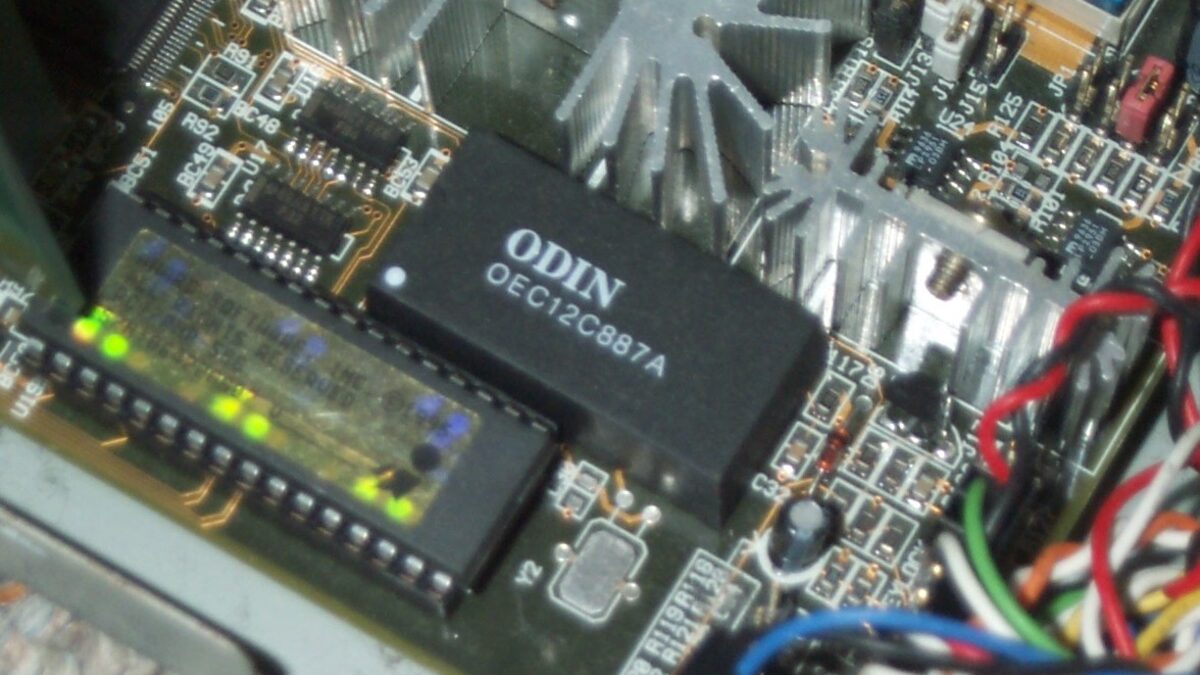
Close-up of an AT motherboard showing the socketed BIOS chip and real-time clock, the low-level firmware where Secure Boot certificates live.
Security·

Secure Boot's 2011-era keys start expiring, cutting off boot updates on unpatched PCs

Microsoft's 2011 Secure Boot certificates started expiring in June 2026. Here's what breaks on Windows and Linux, and the one update that fixes it.

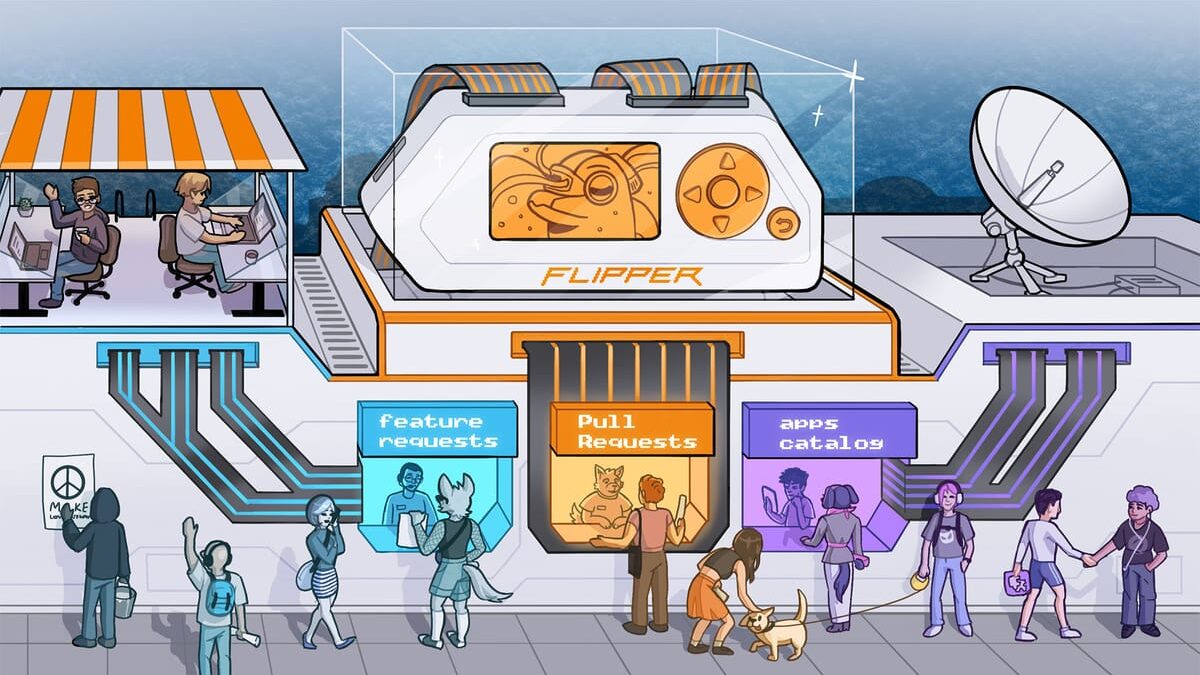
The Flipper Zero pocket multi-tool, the device whose firmware development is shifting toward community contributions.
Hardware·

Flipper Zero's 700 KB flash wall: the firmware future is now community-driven

Flipper Devices says the Flipper Zero isn't abandoned, but a 700 KB flash limit is pushing firmware work onto the community while its team builds new hardware.

LibrePods project banner showing the AirPods icon, the wordmark, and the tagline 'AirPods liberated from Apple's ecosystem,' available on Android and Linux.
Open Source·

Spoof an Apple device ID and your AirPods unlock their hidden features on Android

LibrePods reverse-engineers Apple's private AirPods protocol to bring ear detection, battery status, and noise control to Android and Linux.

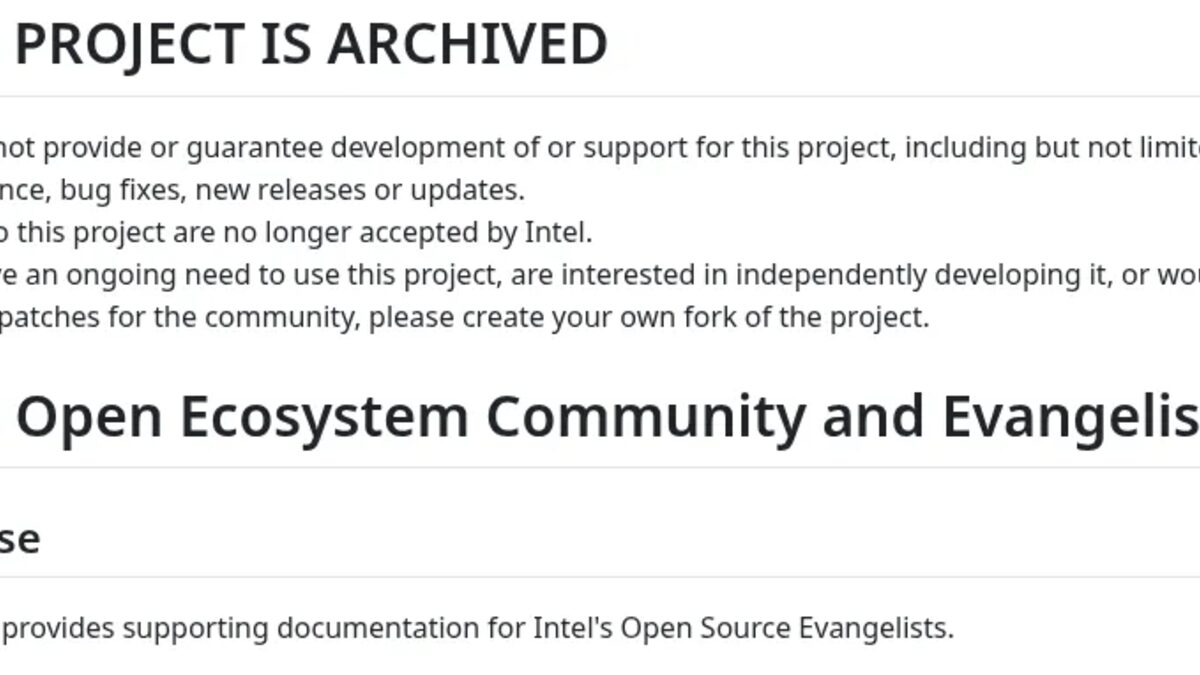
Intel's archived Open Ecosystem Community and Evangelism program page
Open Source·

Intel quietly switched off the open-source evangelism program it ran for two decades

Intel archived its Open Ecosystem Community and Evangelism hub and dozens of open-source projects as cost cuts reshape what one of Linux's biggest backers funds.

Rows of server racks in a data center, the kind of estate Tesco is migrating off VMware
Open Source·

40,000 server workloads are leaving VMware. Tesco blames Broadcom's 'abusive' licensing.

Tesco is moving 40,000 workloads off VMware and suing Broadcom for £100M, the loudest signal yet in the post-acquisition exodus toward KVM, Proxmox, and OpenStack.

SteamOS 3.8 promotional capsule art from Valve's release notes
Gaming·

SteamOS 3.8 now runs on the ROG Ally, not just Valve's Steam Deck

SteamOS 3.8 is stable, with a new kernel, Steam Machine support, and official builds for the ROG Ally and other handhelds. The Windows monopoly on handhelds just cracked.

The microsoft/coreutils GitHub repository page
Open Source·

Microsoft is shipping Linux's core commands on Windows, built in Rust

Microsoft's Coreutils for Windows brings native ls, cp, and grep to Windows, built on the Rust uutils project. Here's what it is and why the Rust rewrite matters.

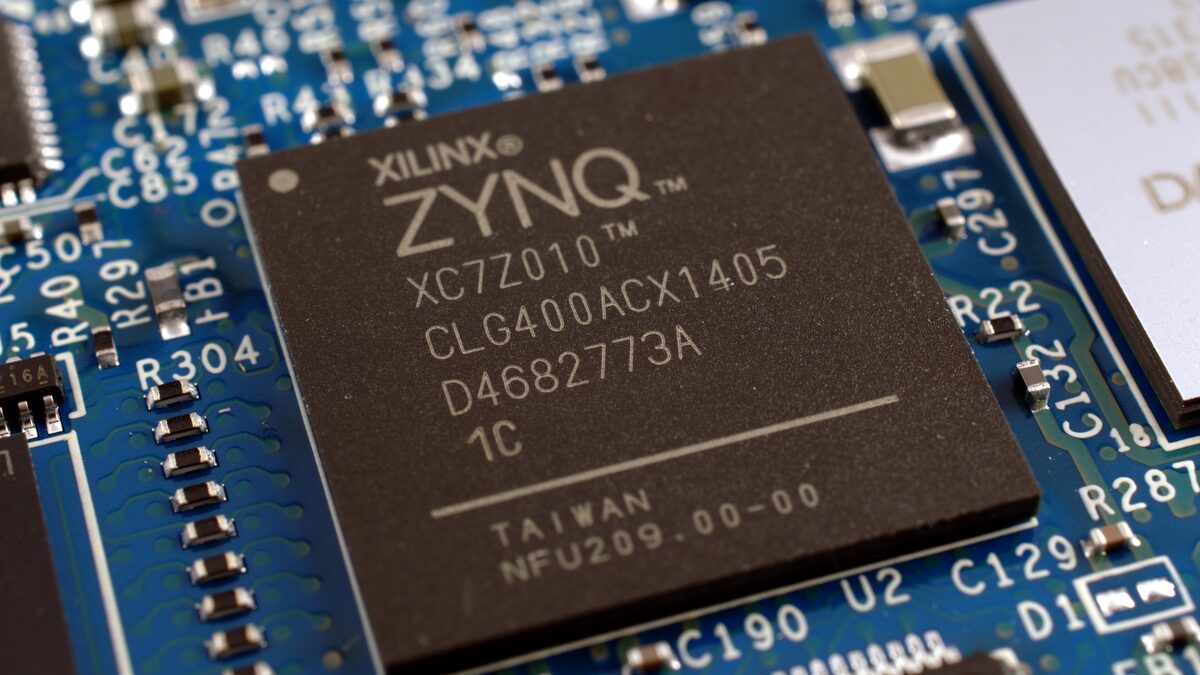
An Adapteva Parallella development board with an AMD/Xilinx Zynq FPGA SoC, representative of the hobbyist hardware the Vivado free tier targets.
Hardware·

AMD walled off Linux Vivado behind a paid tier. The free FPGA tier is now Windows only.

Vivado 2026.1 introduces a five-tier licensing model. The free BASIC tier supports Windows only; Linux requires the paid CORE tier. FPGA hobbyists are pushing back.

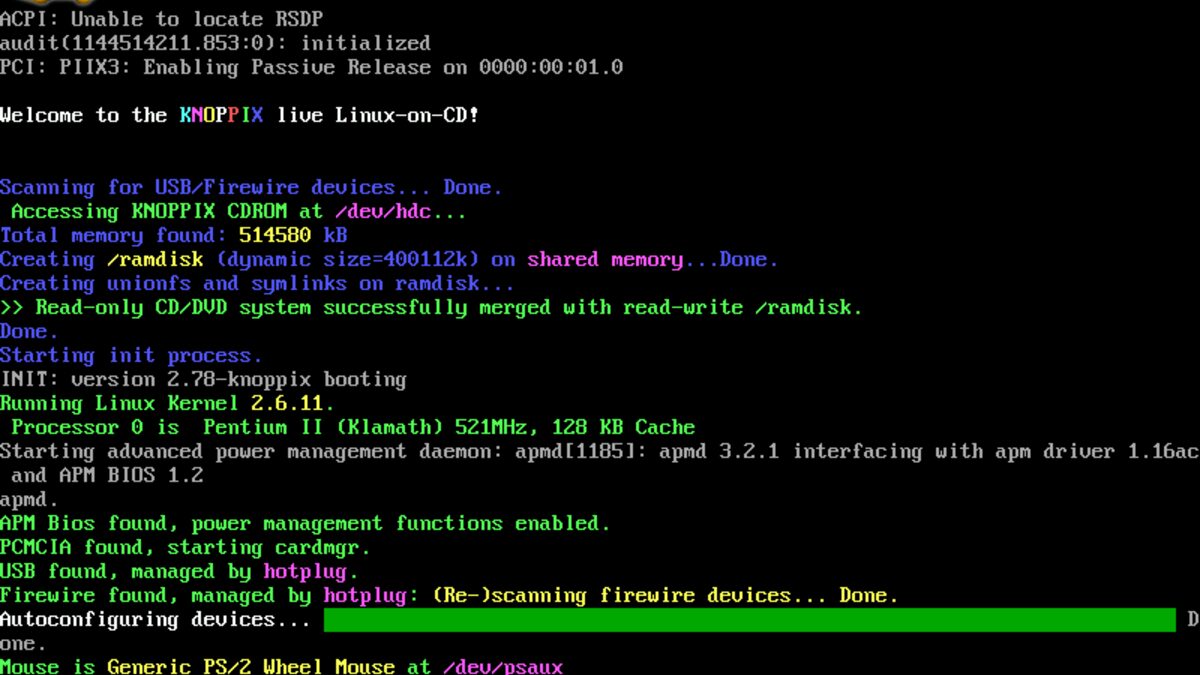
A Linux boot screen with kernel messages scrolling, used here as visual shorthand for the init-system layer where the Flatpak/systemd argument is happening.
Open Source·

Flatpak's next sandboxing milestone bolts it to systemd. Alpine and Void users get the bill.

Sebastian Wick and Adrian Vovk pitched systemd-appd at Linux App Summit on May 17. The cost of nested sandboxing is a hard systemd dependency in mainline Flatpak.

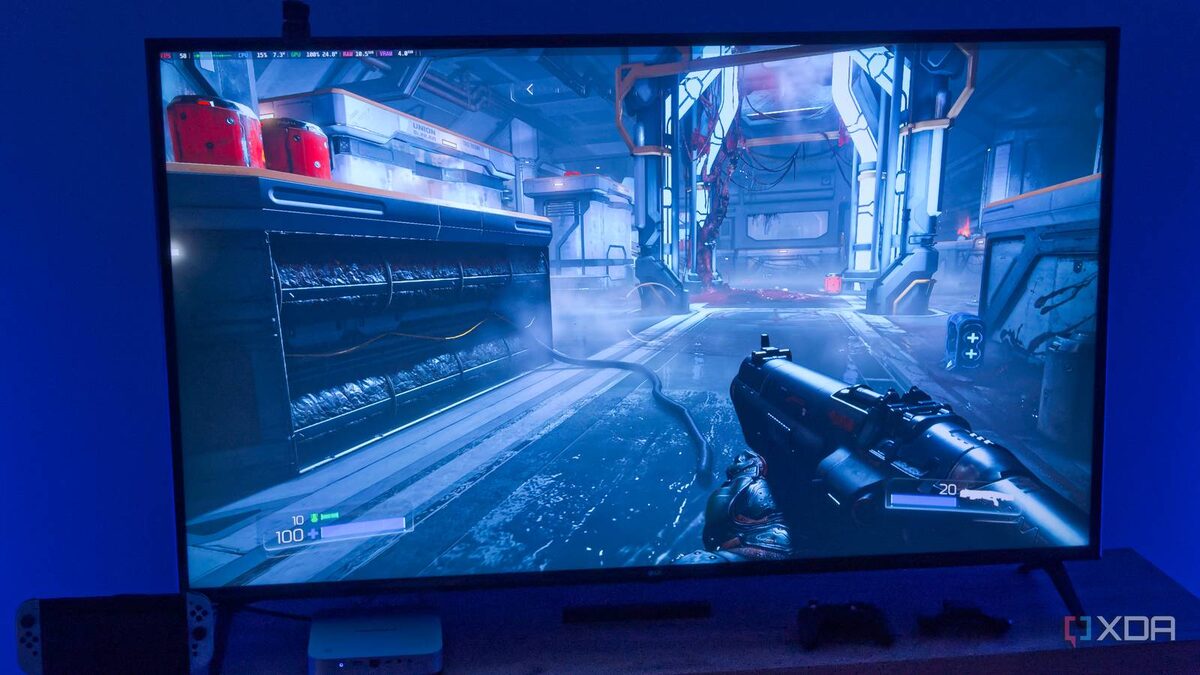
Doom running on Bazzite Linux on a handheld gaming device
Open Source·

Elizabeth Figura's NTSYNC driver shipped in Linux 6.14. Wine 11 retired esync and fsync over it.

Linux 6.14 merged the NTSYNC driver Elizabeth Figura wrote at CodeWeavers. SteamOS 3.7.20 loads it by default; Wine 11 went mainline on it. Here's what changed.

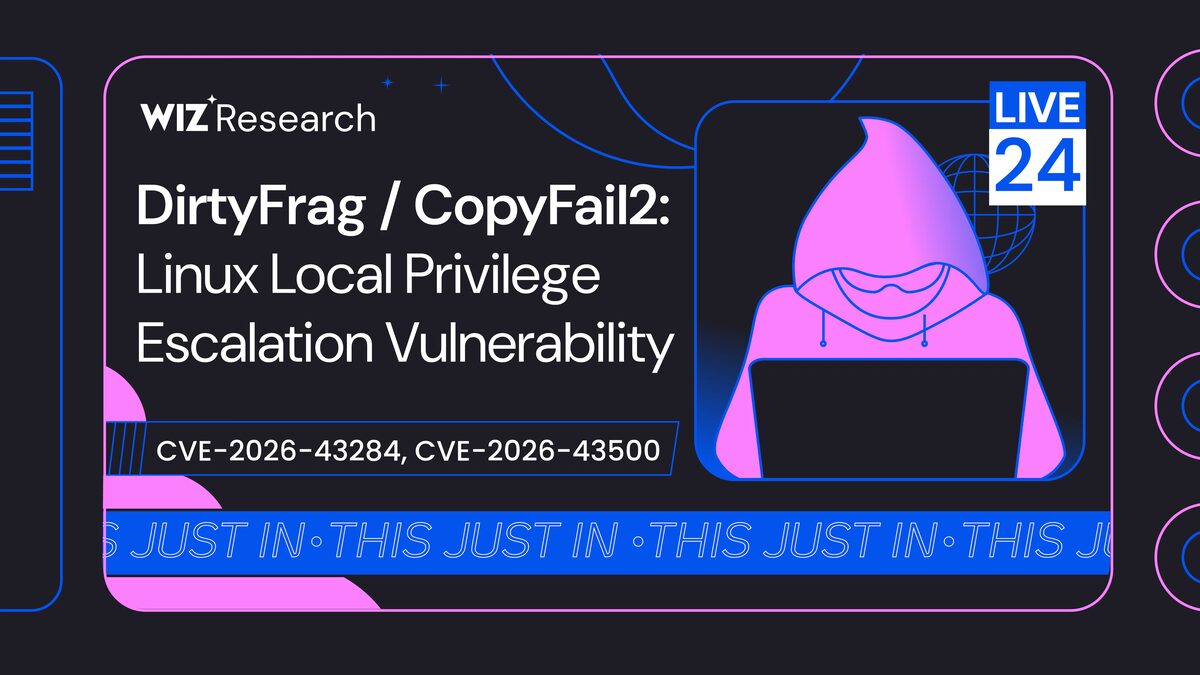
Wiz Research's disclosure page for the Dirty Frag Linux kernel privilege escalation vulnerability
Security·

A nine-year-old Linux kernel bug gives root in one command. No patch exists yet.

Dirty Frag chains two page-cache flaws in the ESP and RxRPC subsystems into a deterministic privilege escalation that hits every major distro. A PoC exploit is public.

Canonical Ubuntu logo on the canonical.com homepage, illustrating the company affected by the May 2026 DDoS attack.
Security·

A DDoS knocked Ubuntu's update servers offline. The Copy Fail patch landed in the same 24-hour window.

The 313 Team flooded Canonical's infrastructure starting May 1, blocking apt updates and the Ubuntu security API just as admins needed both.

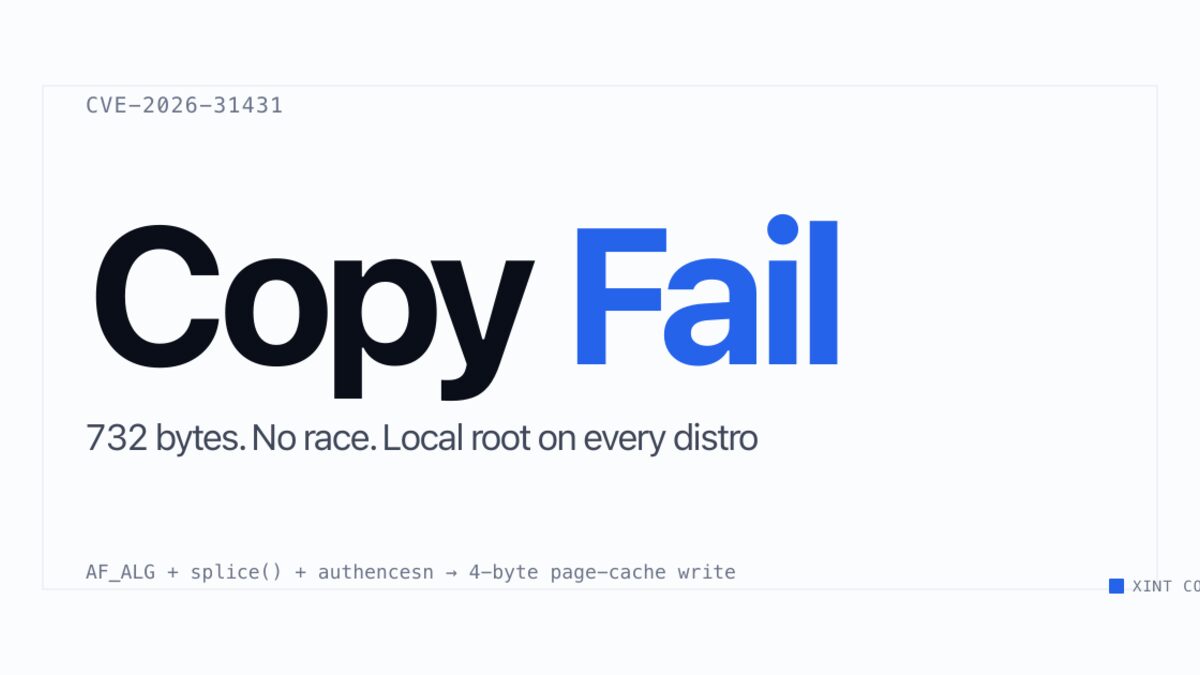
The Copy Fail launch graphic showing a stylized terminal prompt and the title text on a dark background.
Security·

'Copy Fail' lets a 732-byte script grab root on Ubuntu, RHEL, and SUSE. Patched April 29.

CVE-2026-31431 chains AF_ALG and splice() to write into the page cache of /usr/bin/su. Xint Code disclosed it on April 29, nine years after the bug shipped.

Illustration accompanying Tom's Hardware coverage of the Linux kernel driver removal.
Open Source·

Linux 7.1 is yanking ham radio, ISDN, and ATM. The reason: AI bug-report spam.

Jakub Kicinski's networking pull request removes 138,161 lines of decades-old code. Kernel maintainers say LLM-generated bug reports made the old subsystems un-maintainable.

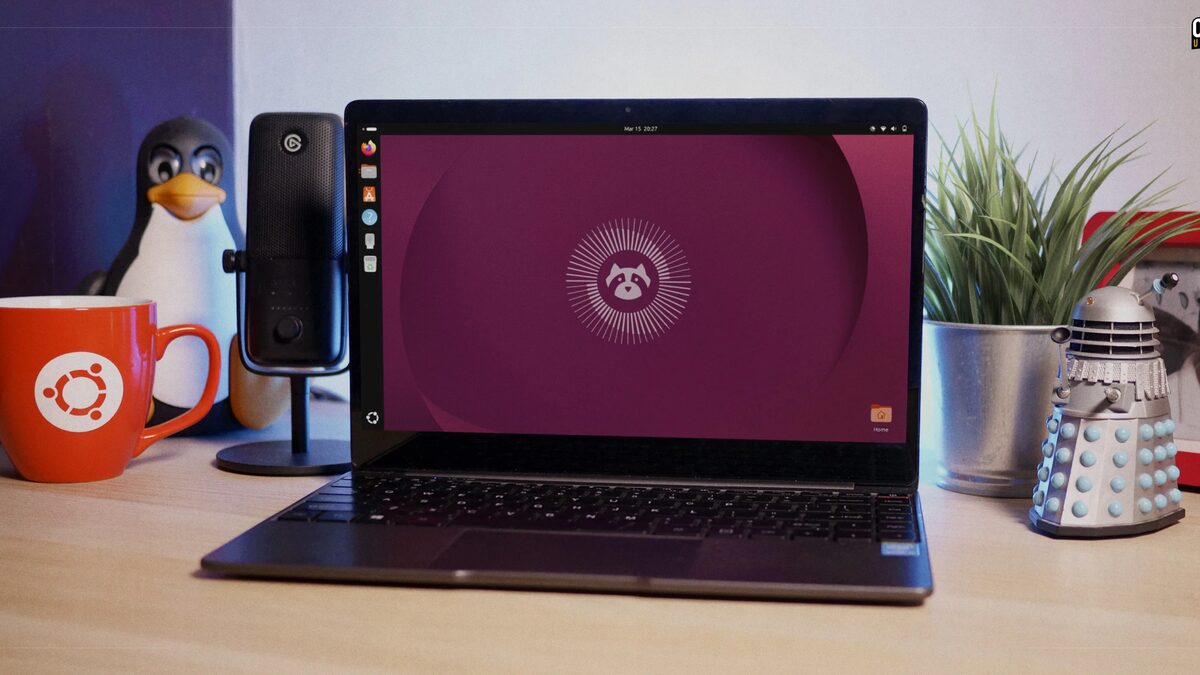
Ubuntu 26.04 LTS Resolute Raccoon desktop with GNOME 50
Open Source·

Ubuntu 26.04 LTS ships Wayland-only, Rust coreutils, and post-quantum SSH by default

Canonical released Ubuntu 26.04 'Resolute Raccoon' on April 23. It's the first LTS without X11, ships kernel 7.0 and GNOME 50, and sets post-quantum SSH on by default.