devtake.dev

#hardware

RSS
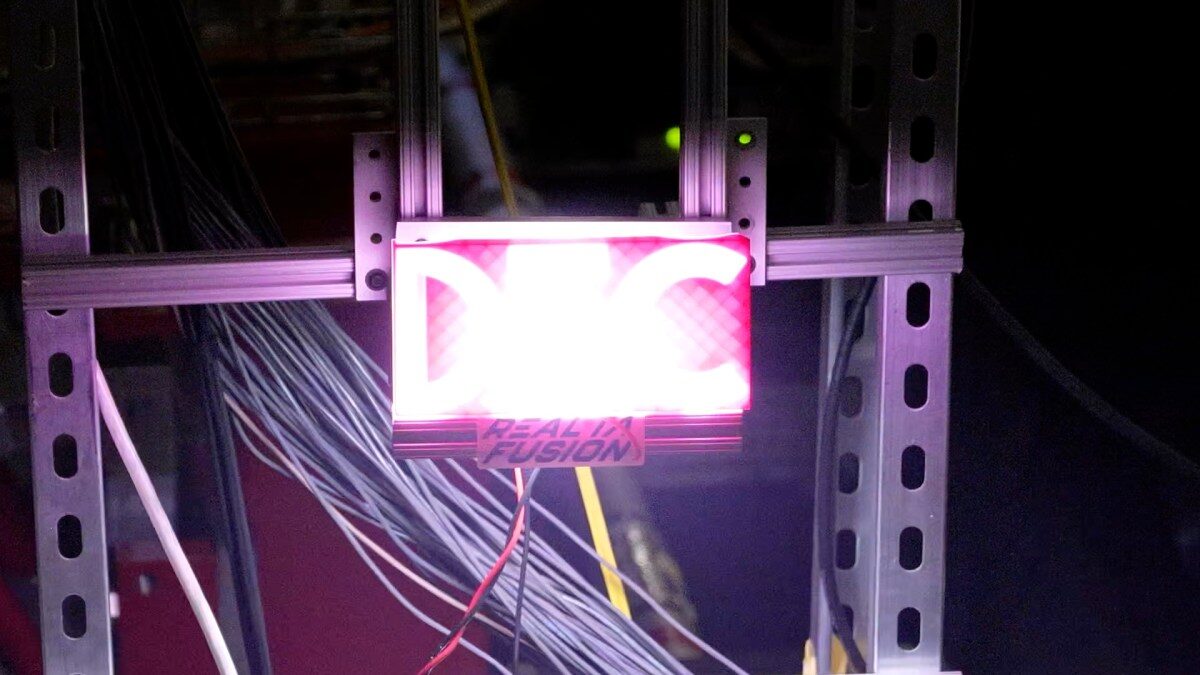
A Renault electric powertrain unit, the kind that uses a wound-rotor motor with no rare-earth magnets
Hardware·

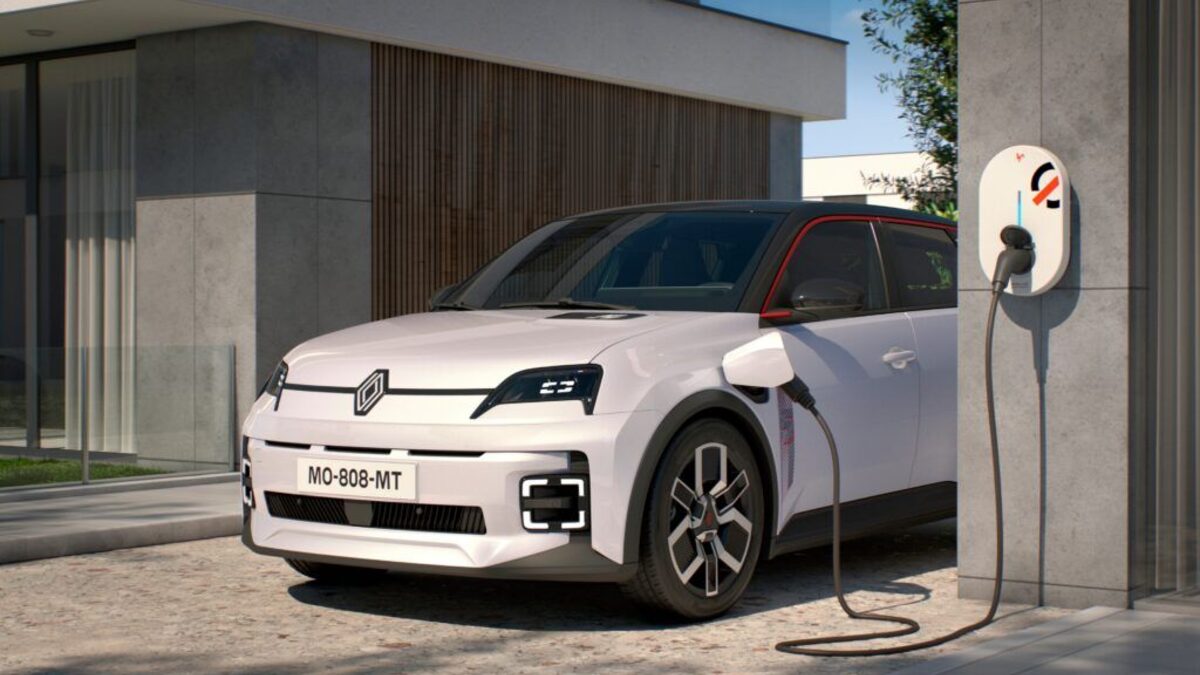
Renault ditched rare-earth magnets in its EVs in 2012. China's export squeeze made that look smart

A Renault explainer on rare-earth-free EV motors hit Hacker News. Here's how electric cars run without the magnets China controls, and who's shipping them.

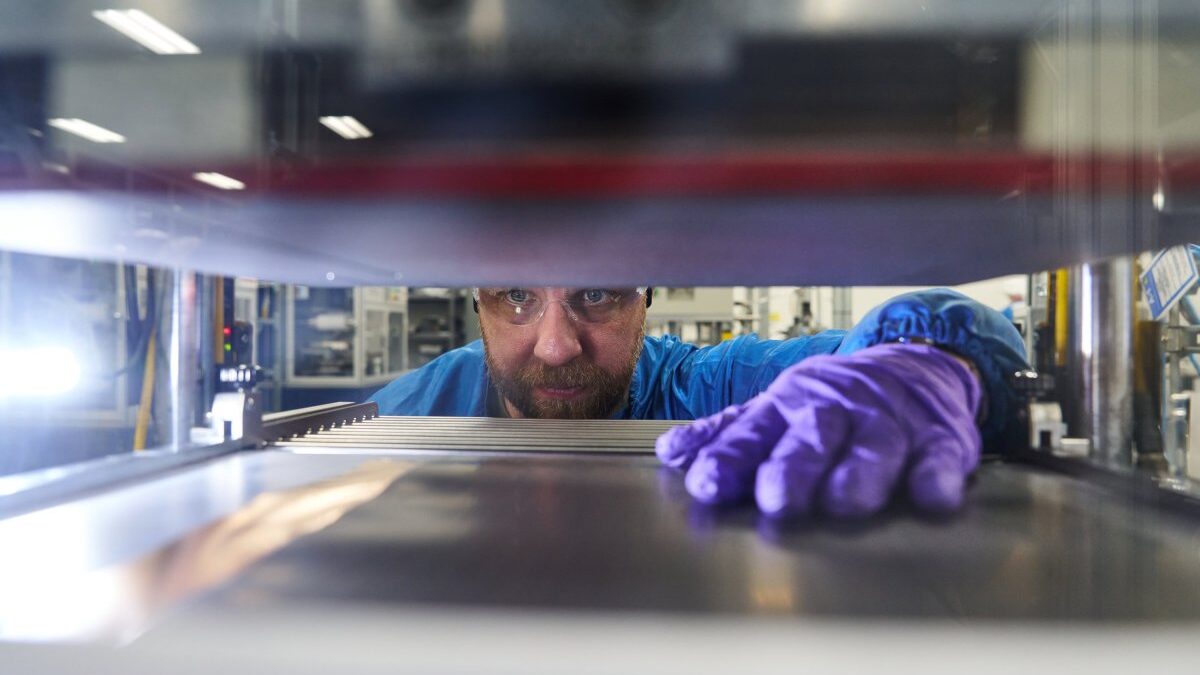
A GM battery cell test line at the company's development center near Detroit
Hardware·

GM is spending $900 million on a battery bet that could cut $6,000 off an EV truck

GM is pouring $900M into a new LMR battery plan, betting a cheaper chemistry gets its EVs to price parity with gas trucks by 2028. Here's the play.

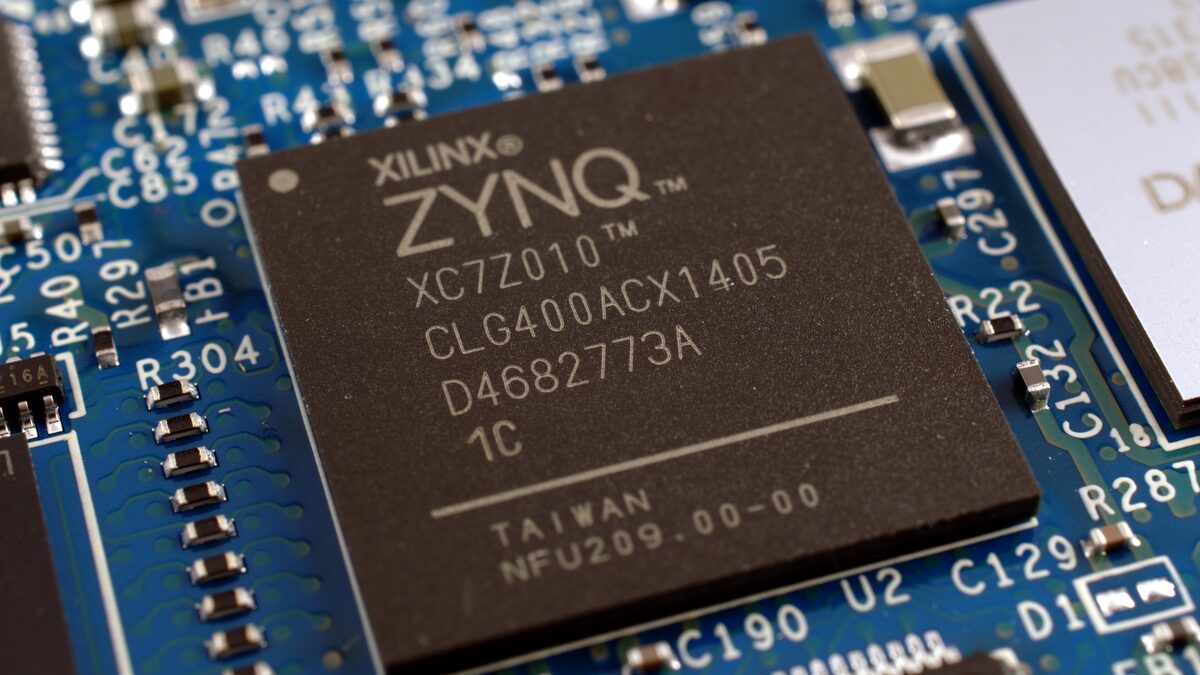
An Adapteva Parallella development board with an AMD/Xilinx Zynq FPGA SoC, representative of the hobbyist hardware the Vivado free tier targets.
Hardware·

AMD walled off Linux Vivado behind a paid tier. The free FPGA tier is now Windows only.

Vivado 2026.1 introduces a five-tier licensing model. The free BASIC tier supports Windows only; Linux requires the paid CORE tier. FPGA hobbyists are pushing back.

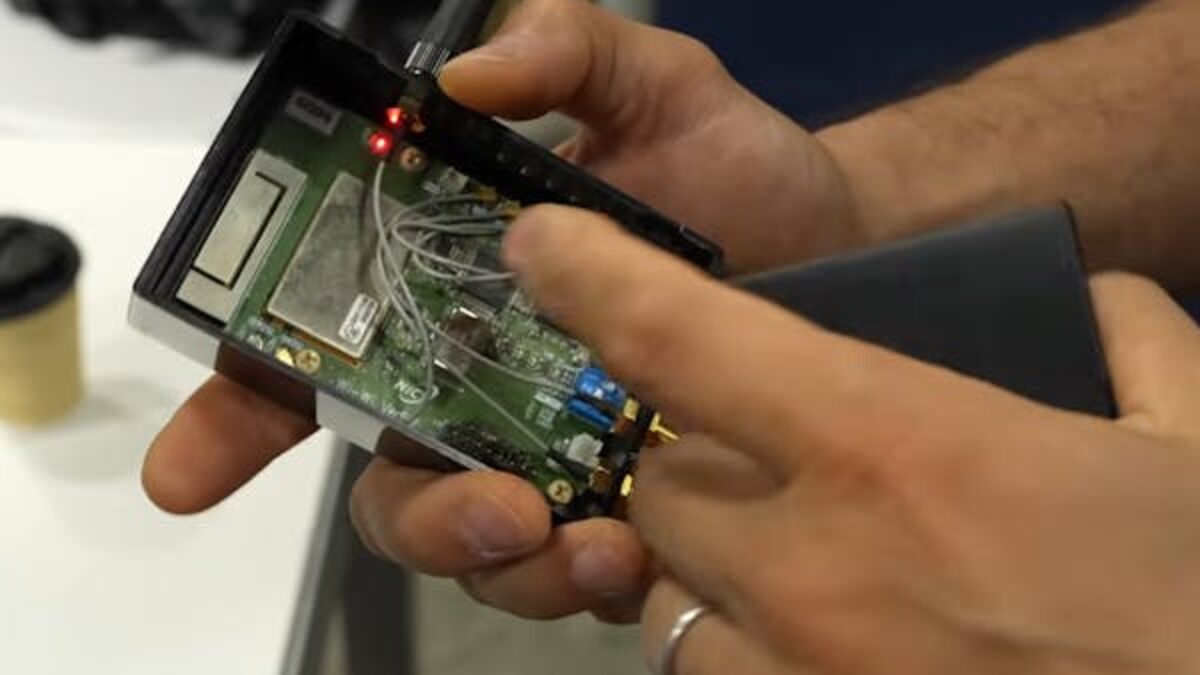
Wi-Wi STAMP prototype hardware module at the NAB show.
Hardware·

Japan's NICT shrank picosecond time sync into a phone-sized box. They call it Wi-Wi.

NICT's Wi-Wi prototype hit 30 ns time sync with 20 ps jitter at 900 MHz. It isn't Wi-Fi. Jeff Geerling found a working demo at the NAB show.

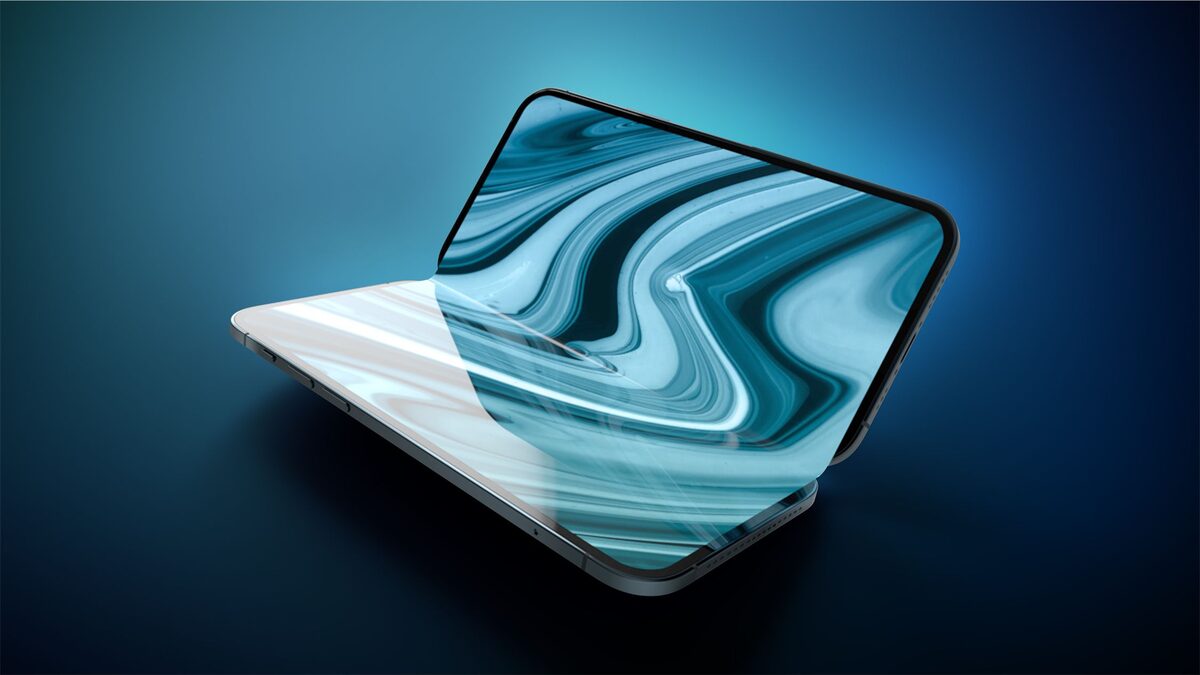
A concept render of a foldable iPhone open on a desk, showing the interior display and hinge mechanism.
Apple·

Apple solved the iPhone Fold crease. The hinge is what's stalling production.

Trial production of Apple's foldable iPhone hit a wall on hinge durability. The crease problem is over; the rattle isn't.

A header image for The Android Show: XR Edition with the Android logo and an XR headset silhouette.
Hardware·

Google and Samsung set Fall 2026 for Android XR glasses. Gentle Monster and Warby Parker are doing the frames.

The Android Show confirmed Fall 2026 for Google and Samsung's first AR glasses, plus three new features for the Galaxy XR headset that launched in October.

Nintendo corporate social-share artwork used on the official news release announcing Switch 2 price revisions
Gaming·

Nintendo hiked the Switch 2 by $50. AI data center demand for memory chips drove it.

Nintendo confirmed a $50 Switch 2 price increase effective September 1 in the US, citing market conditions. The DRAM shortage caused by AI buildouts is the trigger.

Steam Controller hardware shown from above
Gaming·

Valve open-sourced the Steam Controller's shell. Dbrand had a skin ready in 48 hours.

Valve published STP and STL CAD files for the Steam Controller and Puck under CC BY-NC-SA 4.0 on GitLab. Anyone with a 3D printer can now mod it.

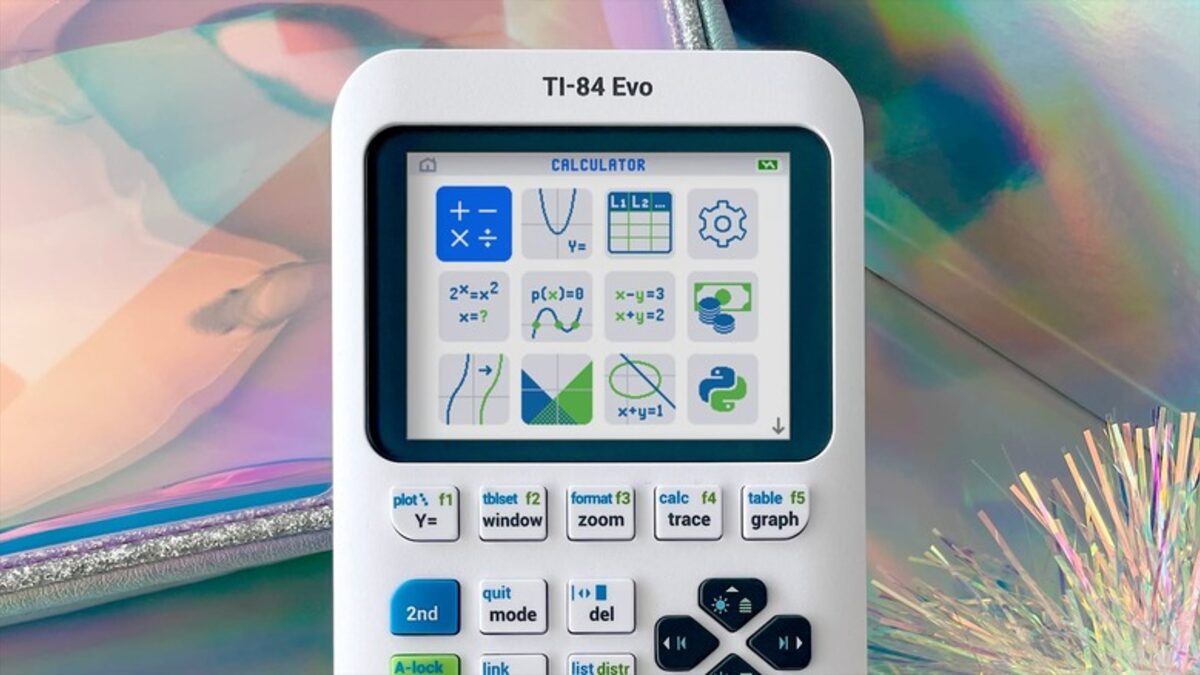
Texas Instruments TI-84 Evo graphing calculator on a white background, showing the redesigned keypad and color graphing screen.
Hardware·

Texas Instruments shipped the TI-84 Evo. $160, USB-C, 3x faster, still exam-approved.

TI's first big redesign of the TI-84 in over a decade ships April 28 with a 156 MHz Cortex chip, a 50% larger graphing area, and Python on board. Exam boards still approve it.

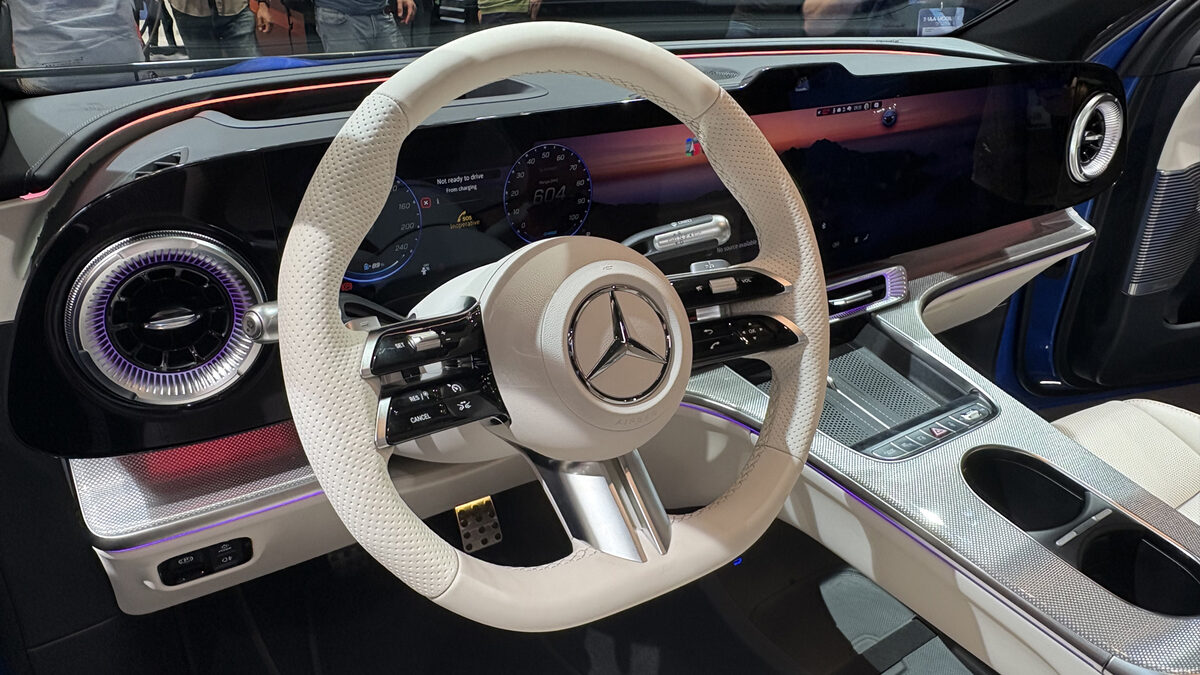
Interior of a Mercedes-Benz GLC showing the redesigned steering wheel with physical rocker switches and rollers next to the wide curved Hyperscreen dashboard display.
Hardware·

'Physical buttons are better': Mercedes is retrofitting its steering wheels across the lineup.

Mercedes software chief Magnus Östberg confirms physical buttons return on the new GLC and CLA, citing software-defined vehicle telemetry from CLA drivers.

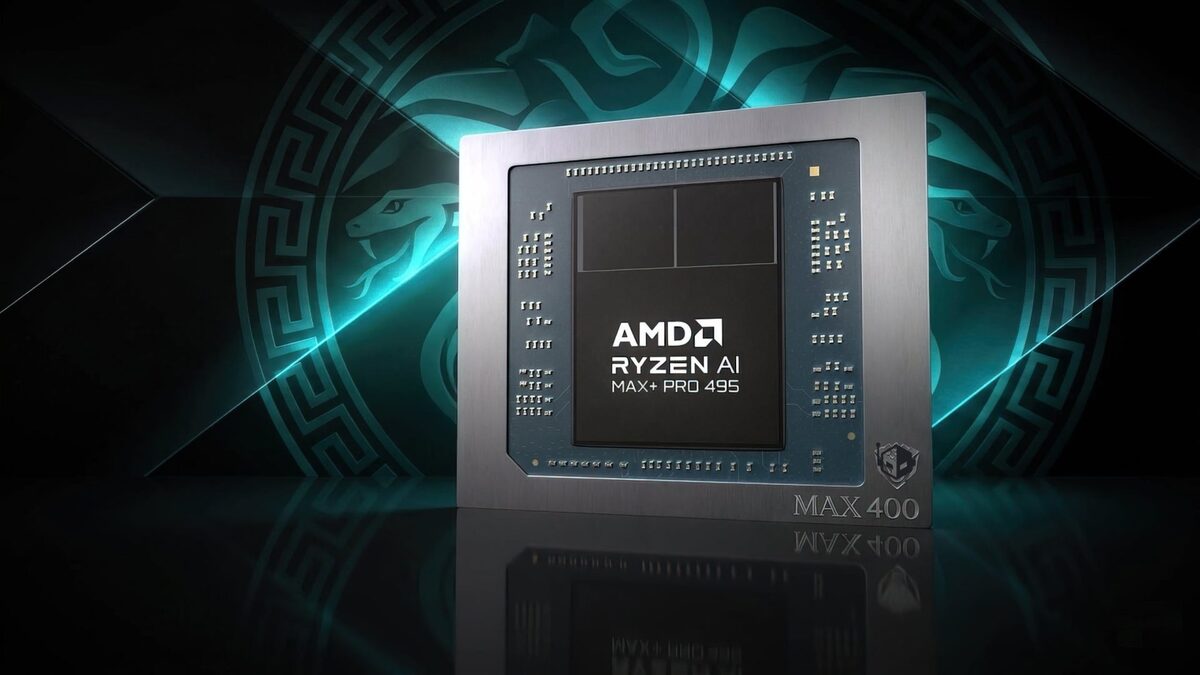
Render of an AMD Ryzen AI Max+ 495 'Gorgon Halo' APU package, surrounded by labels for the Radeon 8065S integrated GPU and the chip's memory configuration.
Hardware·

AMD's 'Gorgon Halo' refresh leaks with 192GB memory. Strix Halo tops out at 128GB.

A leaked Geekbench listing puts AMD's Ryzen AI Max+ 495 on a 192GB platform with a Radeon 8065S iGPU. The Strix Halo chip it replaces capped at 128GB.

Electronic certification testing equipment in a lab
Policy·

FCC just voted to bar Chinese labs from certifying US electronics. 75% of devices are tested there now.

Brendan Carr's FCC advanced the 'Bad Labs' rule on April 30 in a 3-0 vote, kicking off a 60-90 day comment period. The rule covers 126 labs in China and Hong Kong.

Apple Mac mini desktop computer on a clean background, showing the M4-era chassis.
Apple·

Apple killed the $599 Mac mini. The cheapest one is now $799 with 512GB.

Apple quietly pulled the 256GB Mac mini from its store on May 1. Tim Cook had warned the day before that demand was outpacing supply for months.

Tensor G5 chip on a green Pixel motherboard, used by 9to5Google to illustrate Tensor leaks.
Android·

Pixel 11's Tensor G6 leak: brand-new ARM cores paired with a GPU from 2021

Mystic Leaks pegs Tensor G6 with one C1 Ultra at 4.11GHz and six C1-Pro cores. The GPU is the same Imagination CXTP family that's been in the chip for years.

AMD EPYC server processor in cinematic studio lighting.
Hardware·

AMD Zen 7 'Florence' leak: 288 cores, a separate cache die, and a 25% IPC swing

Leaked slides describe Zen 7 EPYC scaling to 288 cores per socket, with all L3 moved off the CCD onto a stacked cache die. Tape-out is October 2026, launch late 2028.

Concept render of a near-bezel-less iPhone with a curved display in a vivid purple finish.
Apple·

Apple's 20th-anniversary iPhone gets a custom 'micro-curved' OLED. Here's what Samsung is actually building.

MacRumors reports the 2027 iPhone will use a Samsung COE pol-less OLED with a crater-shaped diffusion layer. The panel curves on all four edges.

Steam Controller hardware press image.
Gaming·

$99 Steam Controller leak: a YouTuber broke embargo and Reddit thinks it's too much

Tech YouTuber Techy Talk pulled an early Steam Controller review minutes after posting. The leaked $99 price, gyro, and magnetic TMR sticks have already split fans.

Illustration of an AI-driven chip design process from IEEE Spectrum's coverage.
AI·

An AI agent built a working RISC-V CPU from a 219-word prompt in 12 hours. Here's what it actually did.

Verkor's Design Conductor agent went from a 219-word spec to a tape-out-ready RISC-V core called VerCore in 12 hours. The catch: it's still a Celeron.