FCC just voted to bar Chinese labs from certifying US electronics. 75% of devices are tested there now.
Brendan Carr's FCC advanced the 'Bad Labs' rule on April 30 in a 3-0 vote, kicking off a 60-90 day comment period. The rule covers 126 labs in China and Hong Kong.
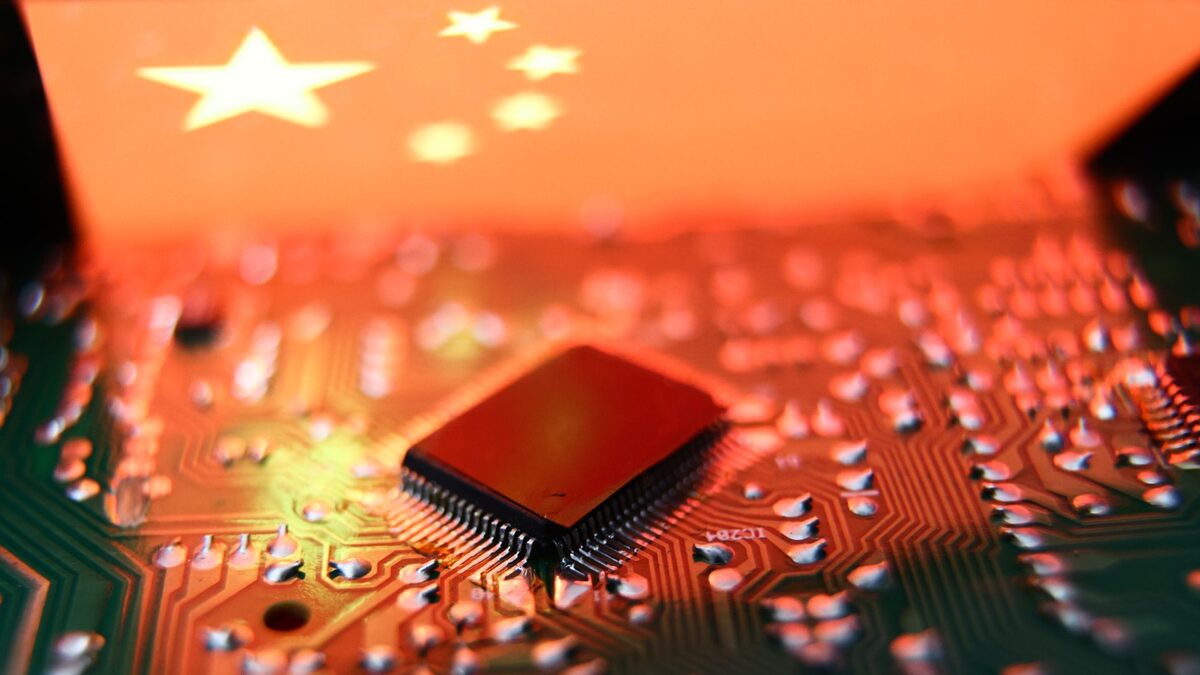
The FCC voted unanimously on April 30 to bar every testing lab in China and Hong Kong from certifying electronics for the US market. Roughly 75% of devices sold in the United States are currently tested in those labs, including smartphones, laptops, cameras, routers, and the long tail of IoT devices that emit any radio-frequency signal. The 3-0 vote opens a 60-90 day public comment period before final rulemaking.
This isn’t the first time Brendan Carr’s FCC has gone after Chinese telecom infrastructure, but it’s the broadest. A 2025 ruling barred 23 labs owned or controlled by the Chinese government. The rule advanced last week extends the prohibition to all 126 testing labs in China and Hong Kong, regardless of ownership. The commission’s framing is that lab certification is part of the supply chain, and a supply chain that runs through a foreign adversary creates a national security risk that’s worth disrupting even at the cost of a slower path to market for US-bound products.
A second 3-0 vote on the same day targets China Mobile, China Telecom, and China Unicom: the three state-owned Chinese carriers can no longer operate data centers in the United States.
What “Bad Labs” actually covers
Every device that emits RF energy has to be certified by an FCC-recognized lab before it can legally ship in the US. That includes the obvious products (phones, laptops, Wi-Fi routers) and a long list of less obvious ones (smart-home sensors, baby monitors, drone controllers, EV charging cables, pretty much anything with a wireless radio). The certification labs are accredited as Telecommunications Certification Bodies, the program the new rule reshapes.
The FCC’s fact sheet names the affected category as foreign-adversary labs. Carr framed the rule as preventing security threats from being designed into the certification chain, saying the commission is “pursuing actions to limit the interconnection capabilities of entities it considers security threats.” The chair’s underlying concern is well-trodden: a lab that holds early access to a device’s RF profile, baseband firmware, and antenna design is a lab with strategic intelligence, and 126 of those labs sitting on the wrong side of a national-security boundary is the FCC’s stated reason to act.
What the rule does not do is ban Chinese-made devices. A phone built in Shenzhen can still be sold in the US, provided the certification was issued by a non-Chinese lab. The chokepoint is the certification process, not the manufacturing. In practice, the rule reroutes a large slice of testing volume from China to labs in Taiwan, Korea, Japan, the EU, and the US, which are the countries with the existing accredited capacity to absorb the work.
The 75% number, and why the timeline matters
The 75% figure comes from the FCC’s own estimate of the share of US-bound electronics currently certified through Chinese labs. The reason that share is so high is straightforward: most consumer electronics are manufactured in China, and certifying near the factory is faster and cheaper than shipping a unit to a lab elsewhere. The new rule disrupts that geography directly.
The timeline shapes the impact:
- 60-90 day comment period. Industry, foreign governments, and consumer advocacy groups will file responses. The cable, smartphone, and IoT lobbies are likely to push for a transition window measured in years, not months.
- Final rulemaking. The FCC has to issue a final order after reviewing comments. The realistic target is late summer or early fall.
- Compliance window. Whatever the final rule says, devices already in certification at Chinese labs need a transition path. Without one, an iPhone or a Galaxy already mid-test could miss its launch window.
- Capacity rebuild. The existing accredited TCB lab capacity outside China is real but not infinite. Standing up replacement labs in Taiwan, Mexico, and Vietnam takes 18 to 36 months for the kind of volume the US market needs.
The risk for the consumer-electronics industry is what happens during the gap. A bottleneck in certification capacity translates directly into delayed product launches, higher per-unit certification costs, and a wave of end-of-year products quietly pushed into the next calendar year. The FCC didn’t include a phased transition in its proposal, and industry comments are likely to fight for one.
The semiconductor angle plays into this too. Intel’s 14A foundry got Tesla as its first whale-sized customer last week, partly on the same security logic the FCC is invoking. The thread connecting both stories is a wider US policy push to take physical control over the parts of the electronics supply chain that touch US-sold products. Lab certification is the thin end of that wedge.
What this means for you
If you ship hardware that needs an FCC certification, the next 60-90 days are the window to file public comments and lock in transition language that doesn’t blow up your Q3 launch. The lobbying is happening; the final rule will reflect it.
If you’re a consumer who buys Chinese-brand electronics (Xiaomi, Anker, Lenovo, OnePlus, the long tail), nothing changes today. Devices already on shelves stay on shelves. New SKUs in late 2026 and 2027 may launch in the US later than in other markets, because the recertification window has to clear through a different lab.
If you’re a national-security observer, the second vote (against China Mobile, China Telecom, and China Unicom data centers) is the more material story. The lab ban shapes a supply chain. The data-center ban removes physical infrastructure that’s already operating on US soil. The two votes were paired deliberately, and the second one is the one most US ISPs and cloud platforms are quietly relieved about.
If you’re an FCC watcher, the 60-90 day comment window closes in late June or early July. Industry filings will be public on the FCC’s docket and will tell you which provisions of the rule make it into the final order intact.
Share this article
Quick reference
Sources
- FACT SHEET: FCC Voting This Week on Proposal to Ban 'Bad Labs' — FCC
- FCC votes to ban all Chinese labs from certifying electronics sold in the US — Tom's Hardware
- FCC to vote on proposal to ban Chinese labs from testing US electronics — U.S. News (Reuters)
- Foreign Adversary Bad Labs Ban: Protecting U.S. Test Labs and National Security — Compliance Testing