Pixel 11's Tensor G6 leak: brand-new ARM cores paired with a GPU from 2021
Mystic Leaks pegs Tensor G6 with one C1 Ultra at 4.11GHz and six C1-Pro cores. The GPU is the same Imagination CXTP family that's been in the chip for years.
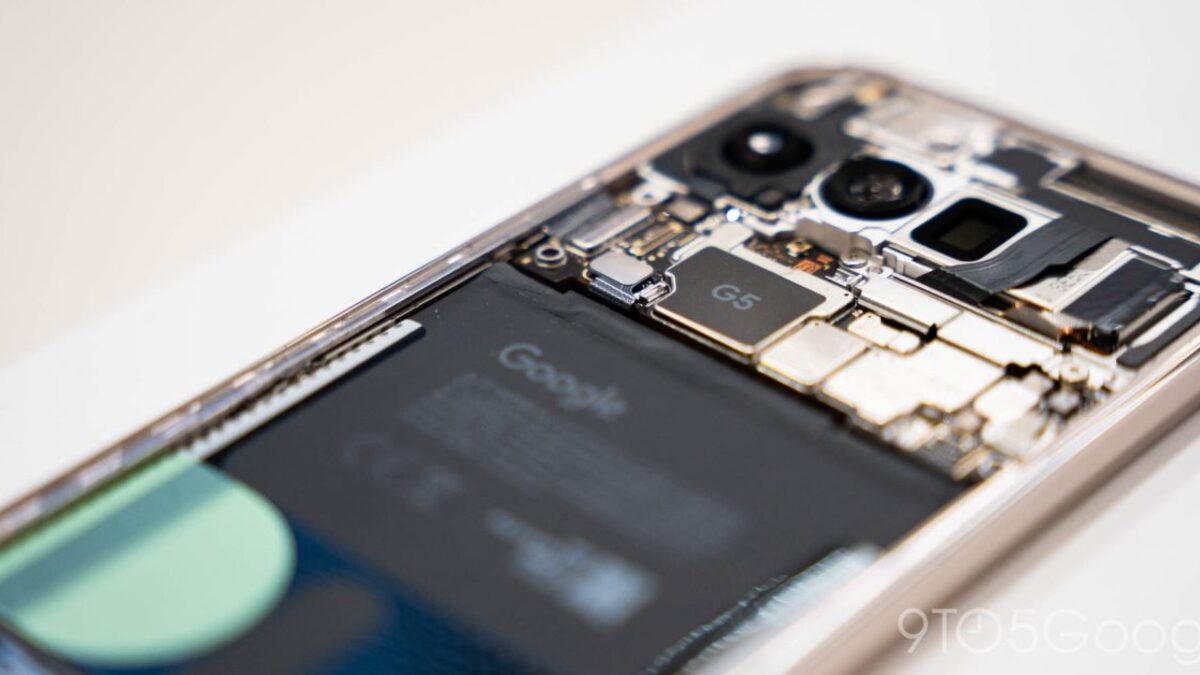
Update — partially confirmed, May 27, 2026. The single-source April leak has since been corroborated by several outlets. 9to5Google, Android Authority, and GSMArena now describe the same Tensor G6 layout: one ARM C1 Ultra at 4.11GHz, six C1-Pro cores, and a PowerVR C-Series GPU whose architecture traces back to 2021, all on TSMC’s 2nm node. The CPU-forward, GPU-stagnant read held up. Google still hasn’t confirmed anything and the Pixel 11 isn’t expected until around August 2026, so it stays unofficial until launch. Pixel 11 leak reveals new camera hardware, Tensor G6 details, more specs, New Tensor G6 leak has good and bad news for Pixel 11 series
A new leak from the Telegram channel Mystic Leaks, reported by 9to5Google on April 28, claims to detail the Tensor G6 silicon Google plans to ship in the Pixel 11 line. The CPU side reads like a real generational jump. The GPU side reads like a copy-paste from the Tensor G5 spec sheet. If the leak holds, the Pixel 11 keeps doing what Pixels have done since the original Tensor: prioritize on-device AI throughput over graphics horsepower.
This is single-sourced and unconfirmed. Treat the numbers as a directional read, not a final spec.
What the leak claims
The CPU configuration, as 9to5Google reported the leaker’s claims, reads: “at least one ARM C1 Ultra core at 4.11GHz, four C1-Pro cores at 3.38GHz, and two more C1-Pro cores at 2.65GHz.” That’s a 1+4+2 layout swapping out the Tensor G5’s older Cortex-X4 plus Cortex-A725 mix. ARM’s documentation for the C1 lineup (the lineage formerly called Cortex-X) puts C1-Pro at roughly 16% higher integer performance per clock than the previous Cortex-A725 generation. If the clock speeds in the leak are real, the high-end single-thread number on a Pixel 11 jumps materially over the Pixel 10.
The GPU configuration is the part that raised eyebrows. The leak names “Imagination/PowerVR C-Series CXTP-48-1536.” Imagination’s C-Series is its current product family, but the CXTP variant is the architecture that first appeared in late-2021 silicon. Google has been licensing PowerVR for the Tensor line since the G3, and the cadence of GPU upgrades inside that license has been slow. The Pixel 9 and Pixel 10 sat on the same family; if this leak is accurate, the Pixel 11 makes it three generations on the same GPU baseline.
Three internal codenames are listed: Cubs for Pixel 11, Grizzly for Pixel 11 Pro, and Kodiak for Pixel 11 Pro XL. None of those names have surfaced in earlier leaks, which is either a mark in the post’s favor (the leaker had genuine internal documents) or against it (the names were invented to sound plausible).
Google has not commented. There is no manufacturing-process node disclosed and no Geekbench or 3DMark figure accompanies the post. The leaker also has a track record that’s known mostly inside the Telegram leaker community, not the kind of multi-year accuracy log a Mark Gurman or Ming-Chi Kuo carries.
Why the GPU choice keeps happening
Google’s bet from day one with Tensor was that Pixel buyers care about AI features and computational photography more than they care about peak gaming framerates. The on-device Gemini Nano workloads, the Magic Editor pipeline, and the Camera app’s AWB and HDR stacks all run on the chip’s TPU and DSP, not its GPU. From Google’s spec-sheet point of view, the cheap upgrade is on the CPU and TPU; the GPU is a long-term, expensive contract item with a different vendor.
The trade-off is real on the gaming side. Pixel devices have consistently lagged Snapdragon-equipped Galaxy and OnePlus phones in graphics benchmarks since the Tensor program started, and “Pixels aren’t gaming phones” has become a recurring talking point in reviews. If the leak is right, that gap keeps widening. The Snapdragon 8 Elite Gen 2 in the Galaxy S26 family will do better on the same Genshin scene than whatever the Pixel 11 ships.
What’s unclear is whether Google considers that a problem worth fixing. The Pixel customer base skews heavily toward camera-and-AI buyers. Genuine gaming Android users have already self-selected to other handsets. As long as that pattern holds, Google has zero commercial pressure to renegotiate the Imagination license for a new architecture.
What this means for you
If you’re on a Pixel 9 or 10 and waiting on a hardware story to justify an upgrade, this leak isn’t it. The CPU jump is real if confirmed, but most user-facing tasks on a flagship-class phone aren’t CPU-bound today. The on-device AI features that make a difference will run on the new TPU, which the leak doesn’t even cover.
If you play graphically demanding games on Android and are choosing between a Pixel 11 and a Galaxy S26, this leak is the data point in favor of the S26. Wait for benchmarks once review units land later in the cycle (the typical Pixel launch window is mid-summer to early fall) before committing.
If you cover the Android benchmark beat, file this for cross-checking against the next leak. Single-source Telegram posts are noise more often than signal. The earliest the rest of the leaker network typically corroborates a Tensor spec is roughly two months before launch, so the next confirmation window is May.
Share this article
Sources
- Tensor G6 reportedly bringing latest ARM CPU cores but outdated GPU to Pixel 11 — 9to5Google
- Mystic Leaks Telegram channel — Mystic Leaks