Google blamed the Pixel 11 price hike on RAM. A gigabyte now costs $12, up from $2.80.
HBM stacks for AI accelerators outbid the DRAM in phones and laptops. Qualcomm, Roku and Google have all repriced, and IDC sees PC prices up 18.3% this year.
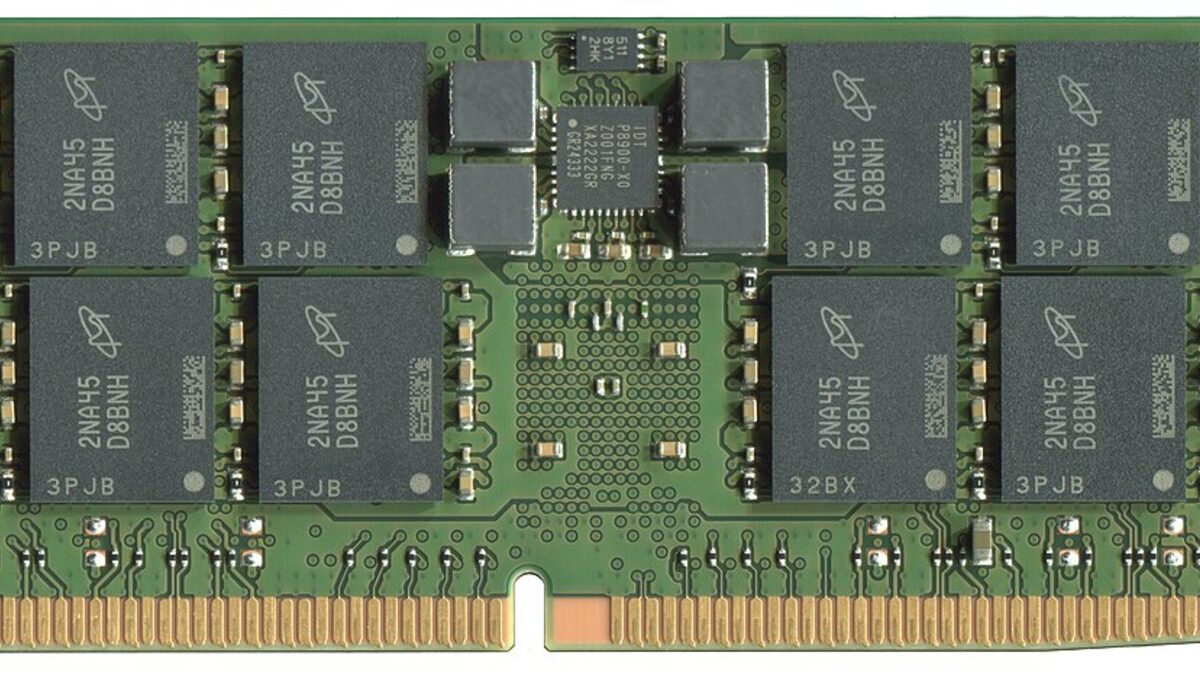
Google’s Shakil Barkat went on record this week about why the Pixel 11 will cost more. His answer was memory. A gigabyte of RAM that ran $2.80 in 2025 costs roughly $12 now, and the bill is landing on phones, streaming sticks and gaming PCs in the same seven days.
The mechanism is boring and brutal. Memory makers hold one pool of wafer capacity, and AI accelerators pay better for it than your laptop ever will. Samsung, SK Hynix and Micron have spent months tilting that capacity toward the high-bandwidth stacks that Nvidia and AMD racks eat, which leaves fewer wafers for the ordinary DRAM inside consumer hardware. Anything built downstream of those fabs is now bidding against a data-center buildout with a far deeper wallet. That is the whole story, and it’s why three unrelated companies announced price increases within 48 hours of each other.
Why AI wants the same wafers
Start with the number that explains the squeeze. High-bandwidth memory, or HBM, will take about 22% of the industry’s total DRAM wafer input by the end of 2026, up from roughly 18% at the end of 2025 and heading for 30% by the end of 2027, according to TrendForce. Now the part that hurts. HBM will ship only about 9% of the industry’s memory bits this year. Bonding a stack of dies into one package burns a lot of silicon for every gigabyte that comes out the other end, so HBM eats wafer capacity at roughly twice the rate it produces sellable memory. TrendForce expects that crowding-out effect on conventional DRAM to get worse through 2027 as HBM generations move to larger dies.
The pricing math follows from there. Conventional DRAM contract prices are set to climb another 13% to 18% quarter over quarter in the third quarter of 2026, with NAND flash up 10% to 15%, per TrendForce’s July 3 forecast. Mobile memory took its beating earlier: LPDDR4X and LPDDR5X contract prices each jumped around 90% in a single quarter at the start of the year. LPDDR is the low-power variant inside phones and thin laptops, and it rolls off the same lines as the server parts.
One correction to the usual telling of this story. HBM isn’t automatically the fattest margin on the sheet, and TrendForce reckoned back in October 2025 that server DDR5 profitability would pass HBM3e during 2026. The real competitor for your phone’s memory is the entire AI server, HBM and DDR5 together, and consumer parts lose that auction every quarter. The racks doing the eating are exactly the kind AMD launched last week, where a single Helios cabinet carries 31TB of HBM4.
Who has already raised prices
Barkat, Google’s VP of devices and services, told 9to5Google that “there’s never been an increase in memory prices like the world’s going through right now,” and said Google had shielded customers from supply swings for as long as it could before the economics shifted. He pointed to Morgan Stanley figures putting a gigabyte of RAM at about $12 in 2026 against $2.80 in 2025, a sixfold move inside a year. Google confirmed the adjustments reach in-market Pixels too, not only the new ones, and it will name exact numbers at its August 12 event. Leaks put the Pixel 11 and Pixel 11 Pro $100 higher; Google hasn’t confirmed those figures.
Qualcomm is passing the cost up the chain instead. Chips shipping from September 1 carry double-digit percentage increases, and the company said it had run out of room to absorb what its own suppliers charge, according to Bloomberg’s report. Roku moved first at retail, taking the Ultra from $99.99 to $149.99 and the Streaming Stick 4K from $49.99 to $79.99, with an executive calling it a tough decision forced by memory and component shortages. Apple has already repriced the Mac, iPad, HomePod, Apple TV and Vision Pro lines, and Tim Cook described those increases as unavoidable, writes NYU Stern’s Srikanth Jagabathula in Fortune.
| Product | Move | How firm is it |
|---|---|---|
| Roku Ultra | $99.99 to $149.99 | Announced July 24 |
| Roku Streaming Stick 4K | $49.99 to $79.99 | Announced July 24 |
| Snapdragon flagship silicon | Double-digit percentage rise | Announced, effective September 1 |
| Pixel 11 and 11 Pro | Reportedly $100 higher each | Google confirms a rise, not the figure |
| iPhone 18 Pro Max | Reportedly about $200 higher | Supply-chain estimate only |
| Average PC | Selling prices up 18.3% in 2026 | IDC forecast |
Which gear inflates the most
Memory’s share of the bill of materials decides who gets hurt worst. On a $30 streaming stick, DRAM and flash are a fat slice of a thin bill, which is why Roku’s Streaming Stick 4K jumped 60% while Apple’s Macs moved by percentages most buyers had to go look up. Counterpoint Research puts the added component cost on a 1TB iPhone 18 Pro Max at nearly $300, against an IDC estimate of a $200 retail increase, per MacRumors. On a phone whose spec leaks landed in June at well over $1,000, that is painful. On a $99 puck it’s fatal.
DIY builders have it worst, because they buy memory at retail with nobody absorbing anything on their behalf. One r/buildapc poster this month paid $378 for a 32GB DDR5-6000 CL30 kit and framed the choice as buying now versus waiting possibly years, in a thread full of people pricing DDR4 as an escape hatch and discovering that it moved too. IDC expects average PC selling prices to rise 18.3% across 2026 while shipments fall 11.3%, figures Fortune cites alongside signalled increases from Dell, Lenovo and HP.
Then there’s the quieter version of a price increase: less memory for the same money. Leaks say the entry Pixel 11 Pro drops from 16GB to 12GB of RAM while storage doubles to 256GB, and Barkat described a dedicated engineering push to cut how much RAM Android needs across devices and apps. Apple is playing a different card, pressing display suppliers for roughly 20% off iPhone 18 Pro Max OLED panels at around $70 against an estimated $66.50 landing price, reports MacRumors. Some of the pressure is being routed around geopolitically: Apple is lobbying Washington to clear DRAM purchases from China’s blacklisted CXMT while Micron presses the same administration to block exactly that, per 9to5Mac. Meanwhile the open market keeps shrinking as hyperscalers sign multi-year supply deals that take wafers off the table years before they’re made, the same dynamic behind Nvidia’s grip on data-center silicon.
What this means for you
Two dates matter. Qualcomm’s higher prices attach to chips shipping September 1, and Google names Pixel 11 pricing on August 12. Anything sitting on a shelf at today’s MSRP was built with cheaper memory, and that gap is the entire arbitrage. Best Buy and Amazon are still selling Roku sticks at legacy prices until stock runs out, which is a decent template for how the rest of this plays out: old inventory at old prices, then a step up with no announcement attached.
If a phone or a laptop was already on your 2026 list, buying earlier in the year beats buying later, and Google’s confirmation that in-market Pixels get repriced kills the usual tactic of waiting for last year’s model to fall. For a desktop build, buy the memory first rather than last, and size it honestly. 32GB is fine. Speccing 64GB for headroom you don’t have a workload for is a $200 decision now instead of a $60 one, and the same logic applies to storage tiers on a phone.
What I would not do is wait this out. TrendForce still has conventional DRAM rising 13% to 18% this quarter and expects HBM to crowd conventional capacity harder through 2027. The next hard datapoints are Google’s August 12 pricing and Qualcomm’s September 1 shipments. If the Pixel 11 lands at $899, a $100 memory tax is confirmed at the top of the Android market, and every vendor below Google has cover to do the same thing.
Share this article
Quick reference
Sources
- Google confirms Pixel 11 price increase, reveals 'dedicated' effort to make Android more RAM-efficient — 9to5Google
- Qualcomm raising Snapdragon prices by double digits starting September 1 — 9to5Google
- Roku raises prices on streaming hardware by up to $50 — 9to5Google
- Roku raises prices of streaming devices, ongoing memory shortage blamed — The Desk
- NYU Stern pricing expert: There's a hidden 'AI tax' hitting Apple, Dell and your next phone — Fortune
- AI Server Demand Continues to Support Memory Prices in 3Q26 — TrendForce
- Tight DRAM Supply Gives Suppliers Greater Pricing Power in HBM — TrendForce
- iPhone 18 Pro Max Component Costs Could Rise Nearly $300 — MacRumors
- Apple Seeking 20% OLED Panel Price Cut for iPhone 18 Pro Max — MacRumors
- Apple and Micron clash before Trump over Chinese memory chips — 9to5Mac
Frequently Asked
- Why does an AI data center make the RAM in my phone more expensive?
- Memory makers have a fixed pool of wafer capacity. HBM stacks for AI accelerators consume far more of that silicon per usable gigabyte than ordinary DRAM does, and AI buyers pay more per wafer. TrendForce expects HBM to take about 22% of total DRAM wafer input by the end of 2026 while shipping roughly 9% of the industry's bits, so phone and PC memory gets squeezed out of the same fabs.
- How much have memory prices actually risen?
- Google cited Morgan Stanley data putting the cost of 1GB of RAM at about $12 in 2026 against $2.80 in 2025. TrendForce recorded LPDDR4X and LPDDR5X contract prices rising roughly 90% in a single quarter at the start of 2026, and forecasts conventional DRAM contract prices climbing another 13% to 18% quarter over quarter in the third quarter of 2026.
- Which devices are getting more expensive?
- Roku raised streaming hardware by $10 to $50, with the Ultra going from $99.99 to $149.99. Qualcomm is raising Snapdragon prices by double-digit percentages from September 1. Google has confirmed Pixel price adjustments without naming figures. Apple has already repriced Mac, iPad, HomePod, Apple TV and Vision Pro, and IDC expects average PC selling prices to rise 18.3% across 2026.
- Should I buy now or wait for prices to fall?
- Nothing in the current supply forecasts points to relief inside 2026. TrendForce expects the crowding-out effect on conventional DRAM to intensify through 2027 as HBM dies grow. If a device purchase was already planned for this year, stock built with cheaper memory is what is on shelves today, and it is being replaced by repriced inventory.
- Will phone makers cut RAM instead of raising prices?
- Some already are. Leaks point to the entry Pixel 11 Pro dropping from 16GB to 12GB of RAM, and Google's Shakil Barkat described a dedicated engineering effort to reduce how much memory Android needs. Watch spec sheets as closely as price tags.