Ubuntu 26.04 LTS ships Wayland-only, Rust coreutils, and post-quantum SSH by default
Canonical released Ubuntu 26.04 'Resolute Raccoon' on April 23. It's the first LTS without X11, ships kernel 7.0 and GNOME 50, and sets post-quantum SSH on by default.
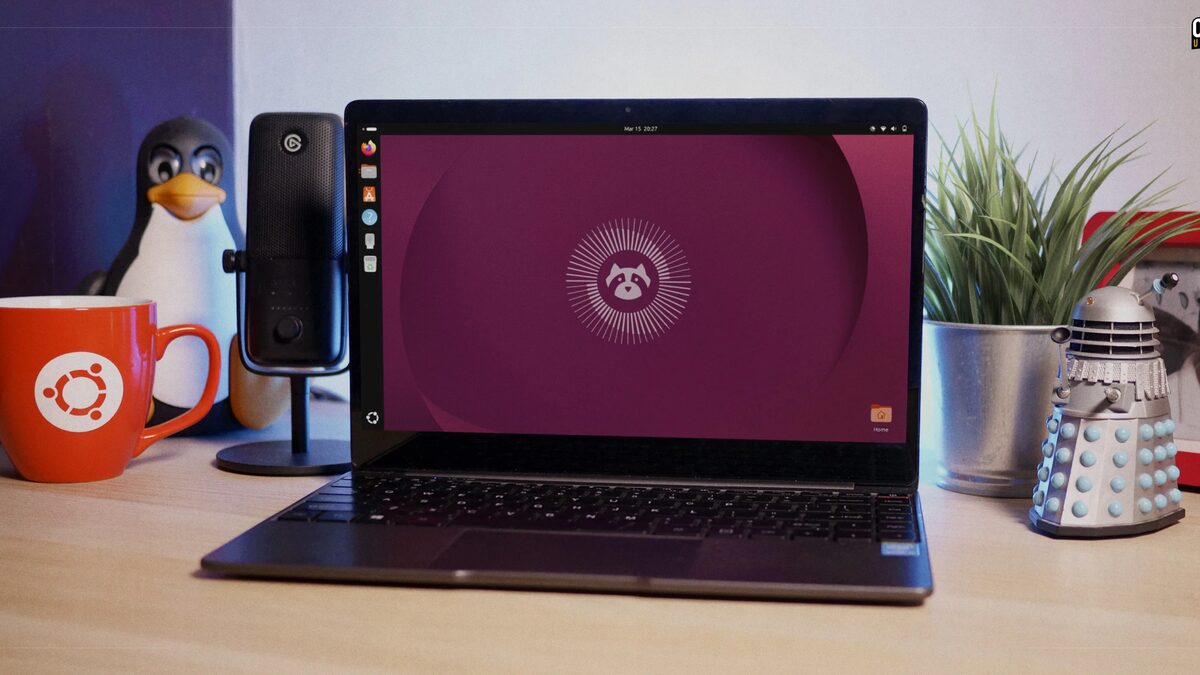
Canonical shipped Ubuntu 26.04 LTS “Resolute Raccoon” on April 23. It’s the first LTS release without an X11 desktop session, the first where the default coreutils are written in Rust, and the first where OpenSSH’s post-quantum hybrid key exchange is on out of the box. All three are decisions Canonical has been signalling for 18 months. This is the release they land in production.
What’s actually new
The changes file for 26.04 runs long. The official “changes since 25.10” document and ServeTheHome’s technical writeup cover the full list. The ones that matter for decisions your team has to make this quarter:
- Linux kernel 7.0. Mainline 7.0 with Intel Core Ultra Series 3 support, plus the continued trickle of memory-safety work across filesystems and the network stack. The same release that Ubuntu is shipping in LTS here is what Intel’s FRED infrastructure and FreeBSD’s laptop team are landing against.
- GNOME 50, Wayland-only. XWayland stays, so legacy X11 apps still run inside Wayland. But there’s no Xorg session to fall back to. If you’ve been stalling on the migration because one tool doesn’t cooperate, 26.04 is the quarter to fix that tool or move it to a different host.
- OpenSSH 10.2 with post-quantum hybrid key exchange by default. The
mlkem768x25519-sha256algorithm pairs X25519 with ML-KEM-768 and is now preferred out of the box. That’s the practical answer to the “harvest now, decrypt later” pressure Google ratcheted forward when it moved Q-Day to 2029 last week. - Rust coreutils as the default. Memory-safe reimplementations of the GNU coreutils set ship as the default
ls,cp,mv,cat, and friends. They aim for GNU compatibility, but any system scripts that depend on an obscure GNU-specific flag should be audited before rolling 26.04 into production. - systemd 259.5, cgroup v2 only. v1 support is gone at the kernel-cgroup layer. Any container runtime, init glue, or ops tooling still expecting v1 mounts breaks on upgrade. Check before you roll.
- Ptyxis as the default terminal. GNOME Terminal is out. Ptyxis is GTK 4, GPU-accelerated, tabbed, and the new default. It reads most of GNOME Terminal’s profile shape, so the habitual user doesn’t usually notice.
- Toolchains: LLVM 21 default, Rust 1.93.1 default, Zig 0.15.2, .NET 10, OpenJDK 25 TCK-certified on AMD64/ARM64/S390X/PPC64EL.
- Databases: PostgreSQL 18 (no longer built for i386), MySQL 8.4.8 LTS (MySQL’s first proper LTS line), MariaDB 11.8.6 LTS promoted to
main, Valkey 9.0.3. - TPM-backed full-disk encryption with PIN support and recovery prompts. The feature left its experimental label in 25.10 and comes to LTS hardened. Known issue: most third-party kernel drivers are incompatible, with Nvidia the notable exception.
The three decisions the release bakes in
Wayland wins. Ubuntu held X11 availability open for the full 24.04 LTS cycle because of the long tail of enterprise and research apps that drag X11 along. 26.04 is the line in the sand. If you run a CAD tool, an EDA suite, or a niche scientific app that still can’t survive XWayland, you either stay on 24.04 LTS (supported until 2029) or you fix the app. Canonical made the bet that the remaining holdouts are small enough to accept the friction. OMG! Ubuntu notes the new release “is the first LTS release without Xorg/X11 desktop support.” That phrasing matters: it’s not gone from the archive, but the session isn’t there by default, and the Ubuntu dock and GNOME shell are Wayland-native.
Memory safety is now the default userland. Rust coreutils are the headline, but there’s more underneath: a Rust-based glycin image parser replaces gdk-pixbuf for sandboxed thumbnail rendering, and Resources (the new system monitor) is GTK 4 written in Rust. This is the beginning of a multi-release effort to rewrite the GNU userspace in memory-safe code. Expect more of it in 28.04 LTS. For the first time, an Ubuntu LTS ships with a default ls that isn’t from the GNU project.
Post-quantum is no longer an opt-in. Enabling mlkem768x25519-sha256 by default on SSH matters because most server admins don’t tune sshd’s KEX list unless they have to. Ubuntu LTS is the baseline that roughly one in three production Linux servers runs. When that baseline defaults to a post-quantum hybrid, the server-side footprint of harvest-now-decrypt-later attacks starts to shrink organically. Google’s revised 2029 Q-Day estimate turned what looked like a decade of runway into five years. Shipping the mitigation in the default install pulls your SSH fleet ahead of that clock without an explicit migration.
The upgrade path is narrower than usual
Canonical doesn’t enable in-place upgrades from 24.04 LTS to 26.04 LTS at release day. The upgrade offer lights up after 26.04.1, scheduled for roughly mid-July 2026. That’s deliberate. The 24.04 install base is huge, and the .1 release is where Canonical catches the regressions that only show up under real-world upgrade pressure. Ubuntu 25.10 users can hop straight to 26.04 today.
Before you plan the rollout:
- Test cgroup v1 dependencies. Older Docker, nspawn, LXC, and some monitoring agents still expect v1.
- Audit coreutils-flag usage. Any script that relies on
ls --group-directories-firstor GNU-specific behaviors ofcp -rshould get a dry run. - Confirm TPM FDE compatibility with your hardware stack. If you run third-party kernel drivers (anything except Nvidia, basically), the experimental-turned-stable FDE path may not be the one for you yet.
- Check RAM. The recommended minimum climbed to 6 GB. Old 4 GB fleet hardware will boot but won’t be happy.
If your fleet is cattle-style servers that get reprovisioned rather than upgraded in place, the first 26.04 image you build is the place to test. For dev workstations, hold until 26.04.1 unless you enjoy being the one who files the bug.
What this means for you
If you run an Ubuntu LTS fleet, schedule a 26.04 migration working group now, but don’t plan the actual cutover until August. That’s two weeks after the 26.04.1 release, long enough for the first upgrade-path regressions to surface and get patched. Spend April through July building a 26.04 image, running it against your CI, and testing your monitoring against cgroup v2 and the Rust coreutils. The moment the .1 release lands, you’re ready to flip staging.
If you maintain an open-source project that ships binaries or scripts, test against Ubuntu 26.04 today. Rust 1.95 landed in April and 26.04 is the first LTS where the default Rust toolchain is recent enough that most projects can drop workarounds for stable-since-1.80 features. Your downstream users on 24.04 still need their compatibility shim. Your 26.04 users don’t, and they’re about to be the majority for the next four years.
If you’re a hobbyist running Ubuntu on a laptop, the honest answer is that 26.04 is a better experience than 24.04 on any hardware less than two years old. VRR-by-default, GPU-accelerated remote desktop, and GNOME 50’s fractional-scaling improvements all compound on new silicon. On a five-year-old ThinkPad, the upgrade case is weaker and the RAM floor will bite.
Why you’re hearing about this now
Canonical releases an LTS every two years, and 26.04 is the one where the decisions made during the 25.x interim cycles harden into a five-year-supported distribution. Wayland-only and post-quantum SSH are both choices that any distro could make unilaterally, but an Ubuntu LTS default is what drags the wider ecosystem along. Fedora already did most of this. Debian hasn’t. The five-year support window on 26.04 means what ships today is the default answer for enterprise Linux desktops through 2031, and the baseline security profile every downstream integrator assumes.
Watch 26.04.1 in July. That release is where the upgrade path opens and where Canonical’s regression triage gets tested against the long tail of 24.04 deployments in the real world. Also watch Fedora 43 and 44, which are almost certainly going to follow Ubuntu’s lead on the Rust coreutils default. The BSD projects aren’t there yet, but FreeBSD’s laptop working group is active enough that the same conversation is happening there too. The shape of the default Linux userspace is changing, and 26.04 LTS is the release where the change becomes hard to reverse.
Share this article
Sources
- Ubuntu 26.04 LTS release notes — Canonical
- Ubuntu 26.04 LTS changes since 25.10 — Canonical
- Ubuntu 26.04 LTS is Now Available to Download — OMG! Ubuntu
- Ubuntu 26.04: Release Date and New Features in Resolute Raccoon — LinuxConfig
- Ubuntu 26.04 LTS Moving the Industry Forward with Linux 7.0 and More — ServeTheHome
Frequently Asked
- When is Ubuntu 26.04 LTS supported until?
- Standard support runs until April 2031 (5 years). Ubuntu Pro subscribers get an additional 5 years of Expanded Security Maintenance, through April 2036.
- Can I upgrade directly from Ubuntu 24.04 LTS today?
- No. Canonical disables the 24.04 to 26.04 upgrade path until the 26.04.1 point release, expected in July 2026, for stability. Ubuntu 25.10 users can upgrade immediately.
- Is Xorg gone?
- The default GNOME session is Wayland-only on Ubuntu 26.04 LTS. XWayland is retained, so legacy X11 apps still run. This is the first Ubuntu LTS without an X11 desktop session.
- What's the post-quantum SSH default?
- OpenSSH 10.2 enables the hybrid `mlkem768x25519-sha256` key exchange by default. It combines X25519 with ML-KEM-768 so sessions resist harvest-now-decrypt-later attacks even if one of the two primitives falls.
- Are the Rust coreutils enabled for everyone?
- Yes. Ubuntu 26.04 LTS ships Rust-based replacements for core GNU utilities as the default. They aim for bug-for-bug compatibility with coreutils, and you can fall back to the GNU versions if something breaks.
- What happened to the Software & Updates tool?
- Canonical removed the Software & Updates GUI. Deb package configuration moved into the App Center, which now handles repository and PPA management.