Apple's new Klarna-backed lease covers almost every device. The cheapest ones are excluded
Apple will reportedly launch 'Apple Upgrade' on July 28, a Klarna-backed lease-to-own plan for iPhone, iPad, Mac and Watch. The catch: entry-level models are excluded.
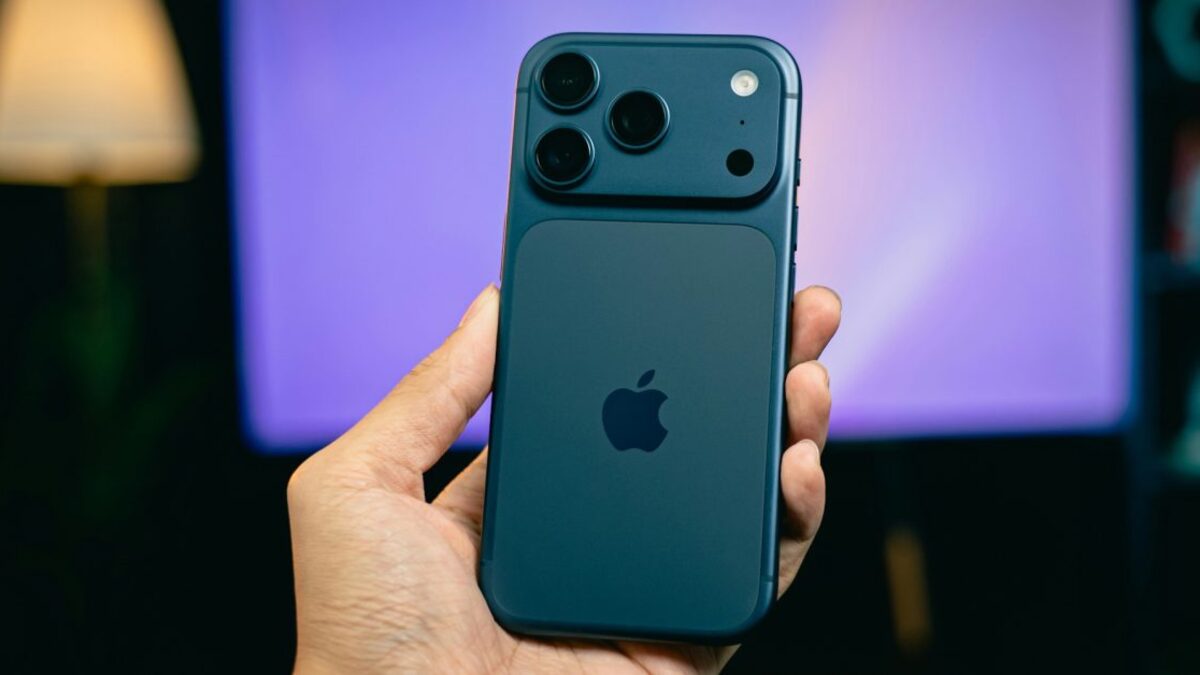
Apple is about to make almost its entire product line rentable. According to Bloomberg’s Mark Gurman, the company will launch a leasing plan called Apple Upgrade on Tuesday, July 28, letting shoppers lease an iPhone, iPad, Mac or Apple Watch through a monthly subscription financed by Klarna.
The move would turn Apple’s priciest hardware into a recurring bill, the way carriers spread a $1,200 handset across two years of payments. It also retires the iPhone Upgrade Program the company has run since 2015. Here’s what’s confirmed, what isn’t, and the one restriction reviewers keep pointing at.
What we know
This is a lease, not a purchase, and that framing decides how much you actually pay. Gurman reports Apple will run the program through Klarna, the buy-now-pay-later firm, with a soft credit check at checkout and fixed monthly payments across a multi-year term. When the term ends, you can hand the device back, pay off the balance to keep it, or jump early to a newer model. Apple plans to advertise the plan as offering “lower monthly payments compared to current financing programs,” Gurman writes, though the fine print includes an extra fee on some transactions.
- Launch and scope. Apple Upgrade reportedly goes live Tuesday, July 28 in the US, online and in retail stores, covering most iPhone, iPad, Mac and Apple Watch models.
- Terms vary by device. iPhones and Apple Watches carry 24-month leases; iPads and Macs run 36 months.
- Klarna does the financing. The lease-to-own mechanics sit with Klarna, gated behind a soft credit check, with an added fee on some deals.
- It replaces an 11-year-old program. Apple will stop taking new iPhone Upgrade Program sign-ups once Apple Upgrade launches. The new plan reportedly drops the AppleCare+ coverage the old one bundled in.
Why now? Prices. Apple raised sticker prices across the lineup this year as a memory-chip crunch drove up component costs, and a lower monthly number is an easier sell than a bigger one on the tag.
The catch reviewers keep flagging
Apple Upgrade won’t cover Apple’s cheapest gear. The entry-level models are shut out: the iPhone 16, the base iPad, the Apple Watch SE, and the MacBook Neo. Business and education purchases don’t qualify either.
That’s the part 9to5Mac zeroed in on. Leasing exists to soften a price you can’t pay all at once, so the buyers it should help most are the ones eyeing the affordable tier. “If Apple won’t let users choose its most affordable products via the leasing program, that feels like a shame,” the site wrote. Steer a budget shopper toward a lease and the only devices on offer are the ones they were trying to avoid paying full price for.
What we don’t know
Plenty, because Apple hasn’t confirmed a word of this before the July 28 launch.
- Actual monthly pricing. No per-device numbers have leaked, and “some cases” of extra fees is doing a lot of work.
- Total cost versus buying. Whether the lease-plus-fees total lands above or below the sticker price over 24 or 36 months is the whole question, and Gurman’s report doesn’t answer it.
- What replaces AppleCare+. If coverage really is gone, it’s unclear whether Apple bundles some protection separately or leaves lessees to buy it on the side.
- International rollout. The launch is US-only for now, with no word on other markets.
Who’s reporting this
The story starts with Mark Gurman, Bloomberg’s Apple reporter, in a breaking post ahead of his Power On newsletter. TechCrunch, MacRumors, and 9to5Mac all built on that reporting. Apple hasn’t confirmed the program, the date, or the Klarna tie-in, so treat the specifics as reported, not official, until the store page goes live.
What this means for you
If you already replace your iPhone every year, a lease you can exit early might beat trade-in math, and predictable payments are easier to budget than a lump sum. Run the numbers before Tuesday’s launch settles it, though. A lease that totals more than the retail price plus a separate AppleCare+ bill is worse than just buying and holding, and the missing AppleCare+ is a real gap if you’re hard on your hardware. The people this plan actually leaves behind are the ones shopping the iPhone 16 and base iPad, who can’t touch it at all. My read: wait for the real monthly figures on July 28, compare the lease total against buying outright, and only bite if the recurring number saves you money rather than just hiding the price.
Share this article
Sources
- Apple to Launch 'Upgrade' Device Leasing Program With Klarna to Spur Sales — Mark Gurman (Bloomberg) on Bluesky
- Apple teams up with Klarna to launch a lease-to-own program for iPhones, iPads, and Macs — TechCrunch
- Apple's new hardware subscription sounds great, except for one limitation — 9to5Mac
- 'Apple Upgrade' Program Reportedly Launching Next Week — MacRumors