Rockstar hasn't identified the GTA 6 leaker, so Take-Two is subpoenaing Microsoft and Discord
Take-Two asked a New York federal clerk on August 20 to issue DMCA subpoenas to Microsoft and Discord. Rockstar still hasn't traced the leak, per Bloomberg.
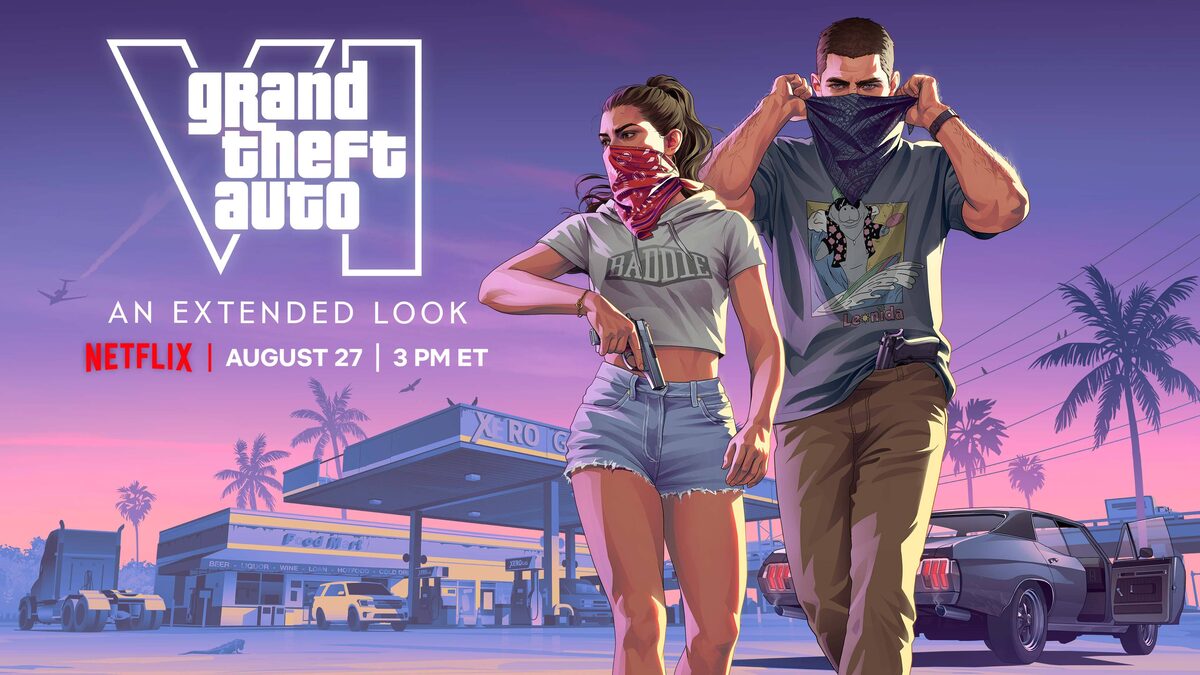
Rockstar Games still doesn’t know who leaked Grand Theft Auto VI. Take-Two Interactive went to federal court anyway. On August 20 its lawyers asked the clerk of the Southern District of New York to issue DMCA subpoenas to Microsoft and Discord.
The paperwork is specific. Kirkland & Ellis signed it, the court docketed it as case 1:26-mc-00422, and the proposed subpoena gives Discord until September 4. What the filings don’t carry is a name. Rockstar hasn’t identified the leaker or established how the build got out, according to Bloomberg’s Jason Schreier. The marketing calendar hasn’t moved either. “Grand Theft Auto VI: An Extended Look” still premieres August 27 at 3 p.m. ET, and the game still ships November 19.
What the filings actually ask for
Take-Two’s Discord request sits on the public docket. Dale M. Cendali and Joshua L. Simmons of Kirkland & Ellis filed it, and the request asks the clerk to issue a subpoena “to identify alleged infringers at issue, pursuant to the Digital Millennium Copyright Act.” The filing says the material “infringes copyrights held by Take-Two for GRAND THEFT AUTO VI, proprietary software owned by Take-Two.”
The Microsoft request goes wider. Variety reported that Take-Two wants registration and last-login IP addresses, phone numbers, linked Google and Xbox connections, device identifiers including MachineGuid, and OneDrive contents for accounts tied to the persona the filings call Cyberleek. Both subpoenas set a September 4 deadline. TorrentFreak read the filings as covering every account that communicated in three named Discord servers since June 1, and reported two more DMCA subpoena requests a day later against X Corp. and Google.
Microsoft hasn’t said what it will produce. Xbox CTO Scott Van Vliet posted on X that “We are working closely with Take-Two and Rockstar Games to support efforts to protect creative works and intellectual property,” per Variety. None of the four subpoenas had been issued as of TorrentFreak’s report.
Why no lawsuit came first
This is the part most gaming coverage skips. A DMCA subpoena isn’t a lawsuit, and it doesn’t go in front of a judge. Under 17 U.S.C. § 512(h), a copyright owner “may request the clerk of any United States district court to issue a subpoena to a service provider for identification of an alleged infringer.” Three things go in the envelope: the takedown notice the owner already sent, a proposed subpoena, and a sworn declaration of purpose. If those are in order, the statute says the clerk “shall expeditiously issue and sign the proposed subpoena.”
Take-Two’s filing recites that declaration in full. The stated purpose “is to obtain the identity of an alleged infringer or infringers, and that such information will only be used for the purpose of protecting Take-Two’s rights under Title 17.” No hearing. No finding on whether the material infringes. A clerk’s signature is the gate, which is why rights holders reach for 512(h) when they want a name before deciding whether to sue. A full copyright case is a different animal, as Anthropic’s $1.5 billion book-piracy settlement showed. This is a form and a filing fee.
The reach is the notable part. The records Take-Two asked for go past the accused accounts to everyone who posted in the named servers, and a provider that thinks the sweep is too broad has to object itself. Nothing in 512(h) makes the court narrow a request before the clerk signs.
What’s still unknown
Rockstar’s own investigation is where the gaps sit. Bloomberg’s Jason Schreier reported on August 21 that the company hasn’t identified the leaker and hasn’t established how the breach happened, that management is treating the search as all hands on deck, and that Rockstar’s leaders and many employees are angry. Developers were told to keep working. Schreier also reported no plans to move the August 27 premiere or change the marketing campaign, which matches Rockstar’s own Newswire post.
Where the footage came from is unconfirmed. Reporting points at a PC build rather than a console dev kit, and PC Gamer’s read is that the leaker likely had a playable PC version. Rockstar hasn’t confirmed that, and a PC build used internally says nothing about a PC release.
Two questions stay open. Whether Microsoft and Discord produce records by September 4 is unknown, and neither has said publicly what it would disclose. Whether November 19 holds is separate, and Rockstar hasn’t addressed it since the leaks started. Unmasking anonymous accounts is slow work even with cooperative platforms, as the Scattered Spider extraditions showed.
What this means for you
If you run a Discord community or a GitHub org, 512(h) is the mechanism worth knowing. It doesn’t require anyone to sue you. The criterion in these filings is server membership, not authorship, so the request sweeps in people who never uploaded anything. Know what your platform retains: login IP addresses, device identifiers like MachineGuid, linked accounts, and cloud-storage contents are all records a subpoena can name. Then read your provider’s user-notice policy, because whether you hear about a request before the records leave is set there. The same exposure runs through suppliers, as it did when Apple’s iPhone 18 Pro files leaked through Tata Electronics.
The September 4 date on the proposed subpoenas is next on the calendar. It falls eight days after the Netflix premiere and 11 weeks before Grand Theft Auto VI ships.
Share this article
Quick reference
Sources
- Petitioner Take-Two Interactive Software, Inc.'s Request to the Clerk for Issuance of a Subpoena to Discord, Inc. (1:26-mc-00422) — U.S. District Court, Southern District of New York (via CourtListener)
- Rockstar Rattled As 'Grand Theft Auto VI' Leaks Again — Bloomberg
- 17 U.S. Code § 512 - Limitations on liability relating to material online — Cornell Legal Information Institute
- GTA 6 Leaks: Rockstar Games Subpoenas Microsoft, Discord for Data — Variety
- Take-Two Expands GTA 6 Leak Hunt With DMCA Subpoenas to X and YouTube — TorrentFreak
- Grand Theft Auto VI: An Extended Look — Rockstar Games Newswire
- Yes, the GTA 6 leaked footage was probably running on PC — PC Gamer