Two gamers are suing Nintendo. They want the tariff money back, not the company.
After the Supreme Court killed Trump-era tariffs in February, Nintendo filed for refunds. A class action says those refunds belong to customers.
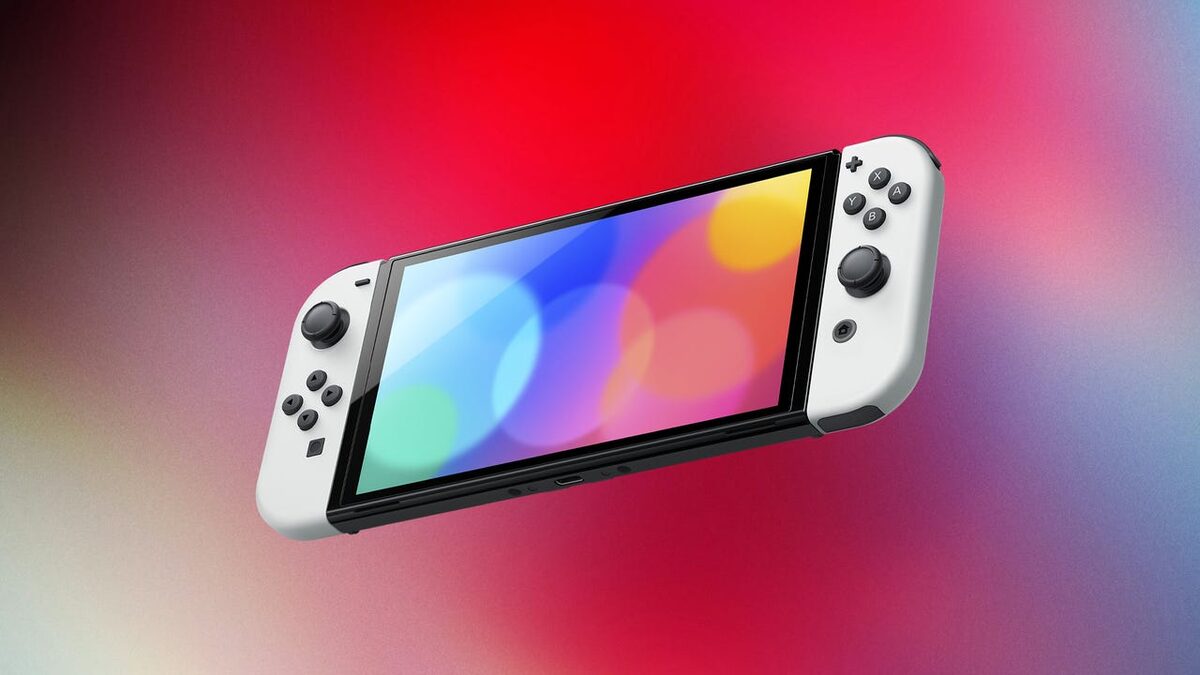
Two Nintendo customers are suing the company over tariff money. Gregory Hoffert of California and Prashant Sharan of Washington filed a proposed class action in the U.S. District Court for the Western District of Washington, arguing that the tariff refunds Nintendo is now collecting from the federal government were really paid by customers, and should flow back to them.
How we got here
The setup runs through three dates.
In April 2025, the Trump administration imposed broad tariffs on imported goods under emergency powers. Nintendo, like every major consumer-electronics importer, paid those duties at the port. Within weeks, the company announced a $5 price hike on Switch 2 controllers, and in August 2025 it raised the price of the original Switch.
Nintendo’s then-CEO told investors the policy was simple: “Our basic policy is that for any country or region, if tariffs are imposed, we recognize them as a part of the cost and incorporate them into the price.” Translation: tariffs go into MSRP. Customers pay them. Nintendo books the duty as a cost-of-goods item and moves on.
In February 2026, the Supreme Court struck down the emergency-powers tariff regime, ruling on February 20 that the tariffs were unlawful. That ruling created a refund pathway. Importers who had paid the duties could file at the U.S. Court of International Trade and try to recover them.
In March 2026, Nintendo did exactly that. The company filed at the CIT on March 6 seeking the return of the duties it had paid over the previous year. Refund processing reportedly began the week of April 20, 2026, per Game File’s reporting.
That’s the moment the new lawsuit captures. Nintendo collected tariff costs from customers via higher prices, then sought refunds of those tariff costs from the government. The plaintiffs argue both transactions can’t end with Nintendo holding the money.
The legal theory
The complaint leans on two doctrines: state consumer-protection law, and common-law unjust enrichment.
The unjust-enrichment piece is the cleaner argument. Under Washington state law, a defendant who has been enriched at a plaintiff’s expense, where retaining that enrichment would be inequitable, owes restitution. The plaintiffs say: Nintendo charged us higher prices to recoup tariffs, then got the tariff money back. The price hike happened. The refund happened. Returning the second to the first is the fair outcome.
The Washington Consumer Protection Act claim is more conventional. It accuses Nintendo of an unfair business practice tied to those price increases.
The reason commentators are skeptical, as TechRadar’s coverage notes, is that U.S. courts generally don’t recognize “indirect purchasers” of a cost as the parties entitled to recover when that cost gets reversed. The cost was paid by Nintendo to U.S. Customs. Customers paid Nintendo for a console. Those are two separate transactions in legal-doctrine terms, even if they’re economically linked. The same reasoning is why antitrust price-fixing suits often run into the Illinois Brick rule: indirect purchasers usually don’t have standing.
The plaintiffs are essentially arguing that this case is different because Nintendo itself drew the line. Nintendo’s own CEO statement that tariffs were “incorporated into the price” is going to be the most-cited piece of evidence in the entire complaint.
How big is the pie
Industry-wide, the refund pool is enormous. Game File reports the total figure as roughly $160 billion across all U.S. importers. Nintendo’s share isn’t public, but the company sold tens of millions of consoles in the United States during the relevant window. Even at a conservative average duty rate, the refund could be hundreds of millions of dollars.
That number matters because it determines whether copycat lawsuits show up. If a Nintendo class is certified and a settlement gets cut at any meaningful percentage of the refund, every other big consumer-electronics importer gets sued the same week. Sony, Microsoft, Apple, every laptop OEM. Auto manufacturers, where the per-vehicle tariff cost was higher than per-console.
What Nintendo will probably argue
Three things, most likely.
First, that the price hikes weren’t direct tariff pass-throughs but ordinary pricing decisions tied to many cost factors. The CEO quote complicates this, but Nintendo’s lawyers will narrow the scope.
Second, that the proposed class is unmanageable. A class spanning every U.S. customer who bought a Switch, Switch 2, or controller between February 2025 and February 2026 includes tens of millions of people, with no consistent injury per buyer. Class certification is where most cases like this die.
Third, that the lawsuit is essentially a creative way to litigate a federal trade-policy outcome in state court, and that primary jurisdiction belongs at the CIT itself. That argument has worked before.
What this means for you
If you bought a Switch or Switch 2 in 2025 and into early 2026, you’re in the proposed class. There’s nothing to do yet. If certification happens and a settlement gets cut down the road, you’ll get a notice. The realistic outcome is a small per-customer payment and a much larger payment to plaintiffs’ counsel; that’s how these cases tend to resolve when they don’t get dismissed outright.
If you work in product pricing or finance at a tariff-exposed company, this is the lawsuit your legal team should be reading this week. The interesting question isn’t whether Nintendo wins or loses, it’s what evidence the discovery phase produces. CEO quotes about tariff-driven price hikes are now Exhibit A in a class-action template. Companies that publicly tied price increases to tariff policy in 2025 are in a different posture than companies that absorbed the duty as a generic “cost increase.” That distinction was rhetorical at the time. It is now legally material.
The other thing to watch is the European Union’s separate consumer-protection arc on hardware costs. Different statute, similar instinct: if a regulatory cost gets passed to consumers and later reversed, who keeps the difference? Nintendo’s lawsuit is the U.S. version of a question every developed economy is going to face over the next few years.
What changes if the class gets certified
Class certification is the moment that turns this from “two annoyed customers” into “every Switch buyer in the country.” It’s also where most cases like this die. Federal Rule 23 requires the plaintiffs to show that common questions of law and fact predominate, that the class is manageable, and that the named plaintiffs are adequate representatives. Nintendo will fight all three points.
The strongest argument for the plaintiffs is that the central question is identical for everyone: did Nintendo collect tariff costs from buyers and then collect them again from the federal government. That’s a yes-or-no factual question. The strongest argument for Nintendo is that individual purchasing decisions varied, that some customers paid retailer markups not Nintendo MSRP, and that quantifying who paid what tariff-attributable surcharge requires individualized analysis no class action can manage.
Watch the discovery schedule. If Hoffert and Sharan get past a motion to dismiss this summer and into discovery, Nintendo’s internal pricing memos from 2025 become subpoena-able. Those memos are where the tariff-pass-through argument gets won or lost. Discovery in the Illinois Brick line of antitrust cases has historically been where defendants either settled fast or won cleanly. The same thing will happen here, and the timing of any settlement will tell you what Nintendo’s lawyers think about how those memos read in the cold light of a deposition.
Share this article
Sources
- Gamers sue Nintendo over tariff refunds, saying consumers should get the money back — Game File
- Nintendo fans are suing the company for a tariff refund — TechRadar
- Two U.S. Gamers Are Suing Nintendo Over Tariff Refunds — Nintendo Life
- Lawsuit says Nintendo customers paid more while company sought tariff refunds — Reuters via Yahoo Finance
Frequently Asked
- What did the Supreme Court actually rule in February?
- On February 20, 2026, the Court held that the Trump-era tariff regime imposed under emergency powers was unlawful. That ruling opened the door for importers like Nintendo to file at the U.S. Court of International Trade and recover the duties they had paid.
- How much money is at stake?
- Across all importers, refunds could total around $160 billion. Nintendo has not disclosed its share, but it shipped over 100 million Switch and Switch 2 units during the relevant window.
- Will the lawsuit actually succeed?
- Legal commentators are skeptical. Tariffs were paid by Nintendo, not by customers, and U.S. consumer-protection law usually doesn't treat indirect cost pass-through as a basis for restitution. The plaintiffs are betting on Washington's Consumer Protection Act and unjust-enrichment doctrine, both unsettled in this exact context.
- Are other companies facing similar suits?
- Not yet, but most major tariff-affected importers have filed CIT cases of their own. If Nintendo's class action gains certification, expect copycat suits at Sony, Microsoft, Apple, and the auto sector.