The first US ban on nudify apps took effect after a judge denied xAI's freeze
Judge Donovan Frank refused xAI's restraining order against Minnesota's nudification-app ban, citing a three-month filing delay. The law carries $500,000 per image.
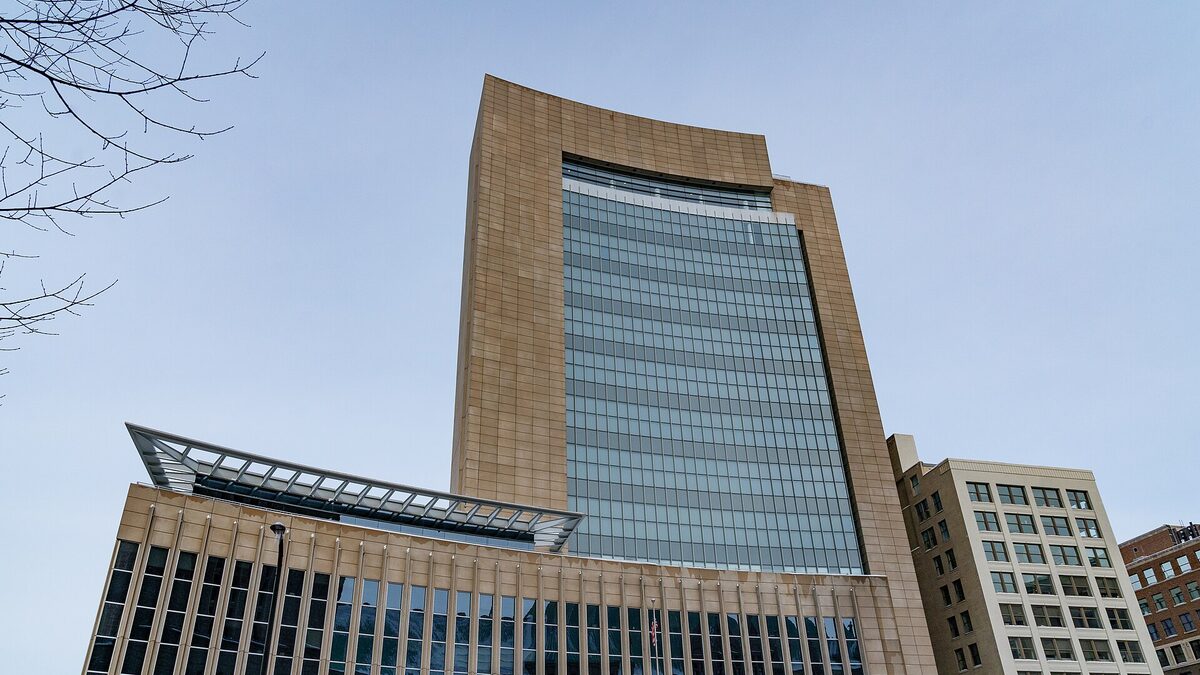
Minnesota’s ban on nudification apps took effect August 1, and xAI could not stop it. The company filed for a temporary restraining order on July 29, three days out from the deadline. U.S. District Judge Donovan Frank denied it, and the first state law of its kind in the country is now in force.
The reasoning is the part worth reading, because Frank didn’t rule on whether the law is constitutional. He ruled on when xAI showed up. That distinction sets the shape of every similar challenge coming: a company that waits for the eve of enforcement to claim irreparable harm has to explain the wait, and Minnesota’s statute now operates as a live compliance requirement for anyone shipping image generation to the state while that argument gets sorted out.
What the ruling actually decided
Frank’s order focused on the clock. xAI sued nearly three months after the bill was signed and moved for emergency relief 72 hours before the effective date. As TechCrunch reported, the judge stated that “such a delay in bringing the action and the motion suggests that harm is not immediate.”
Read plainly, that’s a procedural loss rather than a substantive one. A temporary restraining order is the fastest, weakest form of relief in federal practice, and urgency is most of what earns it. xAI’s own timeline undercut the urgency claim.
The company gets another try. A hearing on a preliminary injunction is scheduled for August 19, per Engadget, where the First Amendment questions get argued on a fuller record. Nothing in the July ruling tells you how that goes, and anyone claiming otherwise is guessing.
The penalty is what makes the compliance math serious. Minnesota set damages at $500,000 per instance of nonconsensual intimate image generation. That’s per image, not per service, per user, or per lawsuit. A model that produces a batch of ten builds exposure faster than most product teams model risk.
What xAI is arguing
The company’s brief is a straightforward overbreadth challenge, and it’s worth quoting rather than paraphrasing because the framing is deliberate. xAI called the statute “an overbroad, content-based ban on free speech and the tools of visual expression in a clumsy attempt to prohibit ‘nudification’,” arguing it “extends far beyond” its stated target and thereby exposes “a wide array of protected speech to civil liability.”
The narrower version of the same point is that the ban is “overinclusive” and that “there are far less restrictive alternatives that function to achieve the same ends.” That’s the standard test in this area of law, and it’s a real argument: a rule written around a capability rather than a use can reach an image editor, a research model, or an open-weights release that nobody built for abuse.
The context Minnesota is legislating against is equally real. NBC News notes that Grok drew sustained criticism for generating sexualized deepfakes of identifiable women and of children, which is the conduct the statute names. So the case pits a genuine drafting problem against a genuine harm, and neither side’s position collapses on inspection. That’s why it’s in court.
What this means for you
If you ship anything that generates or edits images and you have users in Minnesota, this is a live obligation as of August 1, not a pending one. Two questions are worth answering this week. Does your product refuse requests to remove clothing from an uploaded photo of a real person, and can you demonstrate that refusal on a log rather than in a policy document? And if you distribute open weights or a self-hosted tool, have you looked at whether “provides the means” language in the statute reaches distribution rather than only generation? A $500,000 per-image figure changes the answer to “should we build a classifier for this” for teams of any size.
The larger pattern is regulatory fragmentation arriving faster than product cycles. Minnesota went first, other states are drafting, and the EU is running its own track. We’ve watched the same dynamic play out in Brussels fining Google 890 million euros under the DMA and in the $1.5 billion Anthropic settlement over pirated training books: the compliance surface for AI products is now assembled from individual jurisdictions rather than one framework. Put August 19 in your calendar. That hearing, not the July denial, is where the constitutional question gets its first real airing.
Share this article
Quick reference
Sources
- Judge denies xAI's request to block Minnesota ban on 'nudify' apps — TechCrunch
- Judge refuses xAI's request to stop a Minnesota law banning 'nudify' apps — Engadget
- Judge denies request by Elon Musk's xAI to pause Minnesota nudification ban — NBC News
- Request by Elon Musk's xAI to temporarily halt Minnesota nudification technology ban denied by federal judge — CBS Minnesota