Android 17 ships with floating app bubbles and on-screen reaction recording
Android 17 is rolling out to Pixel first. Here's what actually shipped, from Bubbles and Screen Reactions to tighter location privacy, and which features are still coming.
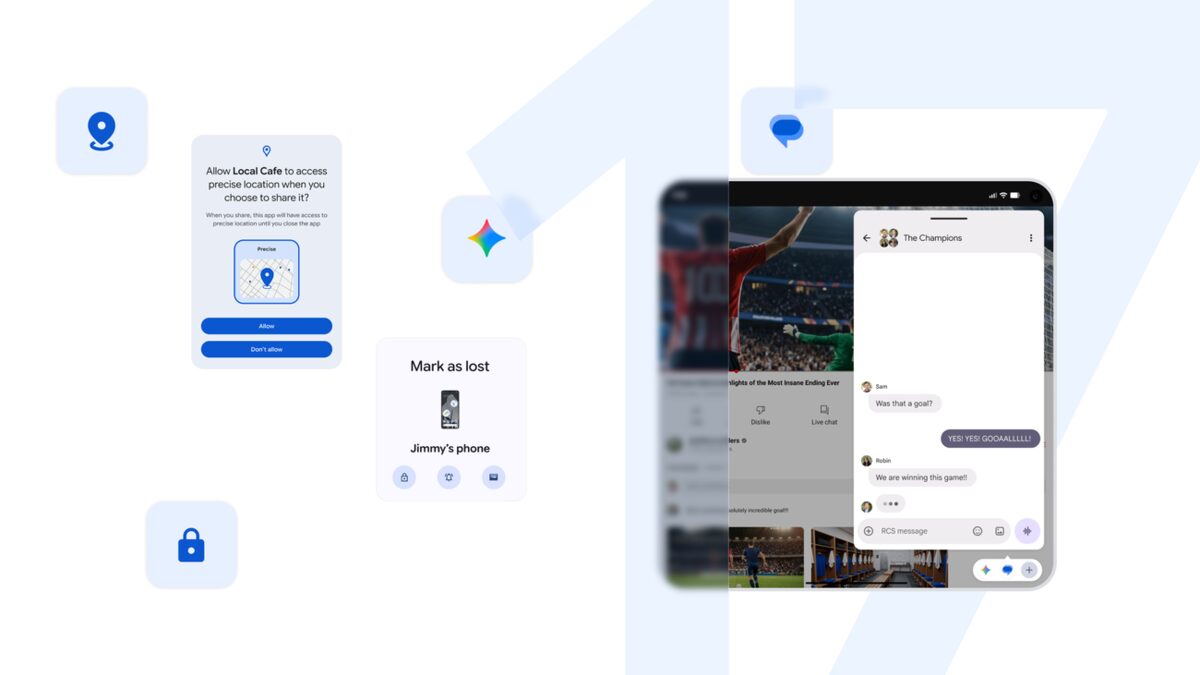
Google shipped Android 17 to Pixel phones on June 16, and the headline this year isn’t a chatbot. It’s a stack of system features that change how you hold the phone: floating app windows, a screen recorder that films your face too, and privacy controls that finally let you share less. Most of it reaches beyond Pixel later in 2026.
That framing matters because the loudest thing from The Android Show in May, the agentic Gemini Intelligence layer, is not in this build. It’s coming “later this summer” to a narrower set of devices. So if you update today, what you get is the plumbing, not the AI assistant that drives your apps. Worth knowing before you go looking for it. We covered that AI layer separately in our piece on how Gemini Intelligence turns Android into an agent; this is the rundown of everything else.
The features you’ll touch daily
Two of them stand out because you’ll use them within an hour of updating.
Bubbles is the one power users have wanted for years. Long-press an app icon and it pops into a floating window that sits on top of whatever you’re doing, so you can keep a chat or a calculator hovering while you scroll something else. On large screens and foldables, bubbles tuck into a dedicated bar at the bottom of the display, per Google. It’s the kind of multitasking that desktop users take for granted and phones never quite nailed. Google says it reaches eligible Android devices throughout 2026.
Screen Reactions is the more novel trick. It records your phone screen and your selfie camera at the same time, then overlays your face on the capture, no green screen, no second app, no editing pass. If you’ve ever wanted to record a reaction to a clip or walk a friend through an app while showing your own commentary, this folds the whole workflow into the screen recorder. Android Authority lists it among the confirmed Android 17 features, and it ships with the release rather than trailing behind it.
Foldable owners get a third one worth calling out. The new foldable gaming mode splits the unfolded screen 50/50, with the game view up top and a dynamic on-screen gamepad below, so you’re not covering the action with your thumbs. Google pairs it with better memory cleanup to cut frame drops and stutters, and says it arrives on foldables in the coming months. There’s also a quieter change underneath: app memory limits that Google says improve performance and battery life across the board.
A few smaller quality-of-life additions round it out. You can hide app names on the home screen for a cleaner look, set a dedicated volume level for the assistant separate from media, and get finer control over the dark theme. None of these is a reason to update on its own. Together they’re the polish layer of a Material 3 Expressive redesign that’s been baking since the betas, which Google opened in February and pushed through four public beta rounds before the June stable cut. The springier animations and rounder shapes you’ll notice first are the most visible payoff of that long runway.
Privacy that finally shares less
The security and privacy changes are the part of Android 17 that does real work, and they’re the strongest argument for updating sooner rather than later.
Start with location. Apps can now ask for your precise location for a single session only, meaning until you close the app, instead of the all-or-nothing grants that trained everyone to just tap “allow” and forget. There’s a companion contacts picker that lets you hand an app a few specific people rather than your entire address book, which is the request countless apps abuse to vacuum up your social graph. Both are exactly the kind of granular consent that iOS shipped years ago, and it’s good to see them land as defaults here.
The standout is Mark as Lost in Find Hub. If your phone goes missing, you can lock it with your own biometrics remotely, and Google says a thief can’t get at your data or disable tracking even if they know your passcode. That closes a real gap: until now, a stolen-and-unlocked phone with a shoulder-surfed PIN was wide open. Android 17 also tightens the screen-lock itself, cutting the number of PIN guesses an attacker gets and stretching the wait between failed tries.
There’s a quieter backstop too. Android 17 leans harder on live threat detection, scanning for suspicious app behavior like SMS forwarding, hidden background launches, or accessibility-overlay abuse, the patterns scam apps use to drain accounts. Google folds this into its Advanced Protection program. For anyone who sideloads, or who has a relative who taps every link, that scanning is the feature doing the most invisible good.
Who gets it, and what’s still missing
Here’s the part the marketing glosses over. Android 17 reached Pixel first, on June 16, 2026, covering the Pixel 6 through the Pixel 10a range, according to Android Authority’s tracker. Everyone else waits on their phone maker. Samsung, OnePlus, and the rest will roll their own One UI or OxygenOS builds on top through the back half of 2026, which is the usual months-long Android lag. If you’re not on a Pixel, “available now” doesn’t mean available to you.
And the feature that headlined the show isn’t in any build yet. Gemini Intelligence, the proactive, app-driving AI layer Google spent most of The Android Show pitching, is slated for “select advanced devices later this summer,” per the Google blog. That’s a different rollout from the OS itself. So the version of Android 17 you can install today is the system-and-privacy release; the AI brain ships separately, on fewer phones, on a later clock. Tom’s Guide’s rollout coverage draws the same line.
Worth flagging what Google didn’t lean on. The pre-show preview floated splashier AI extras, things like Gemini-powered Create My Widget, the Gboard “Rambler” speech cleaner, and intelligent Autofill. Those sit under the Gemini Intelligence umbrella, which means they ride the later, narrower rollout rather than the June OS drop. If you came for them, you’re waiting. The 3D emoji refresh and the broader Material 3 Expressive look did make the cut, so the phone looks newer even before the AI shows up. That split is the real story of this release: the OS landed on schedule, and the assistant everyone came to see is on a separate clock.
What this means for you
If you own a Pixel, update now, mostly for the privacy controls. One-session location, the contacts picker, and biometric Mark as Lost are the features that change your exposure today, and they cost you nothing. Bubbles and Screen Reactions are the fun part; the security layer is the reason. If you’re on a Samsung or another brand, don’t refresh your settings hoping for it yet, your build lands when your maker ships its skin, likely months out. And if you watched The Android Show for the AI and came away expecting your phone to start running your errands, hold that thought: Gemini Intelligence is a separate, later, device-limited rollout. The OS you can install in June is a strong privacy update with a couple of genuinely useful tricks. The agent everyone talked about is still on its way.
Share this article
Sources
- Android 17 has new features for productivity, gaming and security — Google
- The Android Show: I/O Edition 2026 — Google
- Android 17: Official features, leaked features, codename, and everything else we know — Android Authority
- Android 17 officially rolls out to Pixel devices with new features — Tom's Guide
Frequently Asked
- When is Android 17 available and on which phones?
- The stable release rolled out from June 16, 2026 to Pixel devices first, covering the Pixel 6 through the Pixel 10a line. Other eligible Android phones get it on their makers' own timelines through the rest of 2026.
- What are Bubbles in Android 17?
- Bubbles let you long-press an app and float it in a small window on top of whatever else you're doing. On large screens and foldables they dock into a bubble bar at the bottom so you can flip between several.
- What is Screen Reactions?
- It records your phone screen and your selfie camera at the same time, so you can react to a site, app, or clip without a green screen or a separate editing app. It rolls out as part of Android 17.
- Did Gemini Intelligence ship with Android 17?
- No. The deeper agentic AI layer Google branded Gemini Intelligence is coming to select advanced devices later in summer 2026, not in the June Android 17 build. The current release is mostly system and privacy features.
- What is Android 17's codename?
- Internally it's Cinnamon Bun. Google dropped public dessert names after Android 10, so the official name is just Android 17.