Brave's browser got bloated with crypto and AI. Origin strips it back for $60
Brave released Origin, a paid version of its browser that compiles out Leo AI, the crypto wallet, Rewards, Tor, and the VPN. A one-time $59.99 buys it, and Linux is free.

Brave released Origin, a paid version of its browser that compiles out Leo AI, the crypto wallet, Rewards, Tor, and the VPN. A one-time $59.99 buys it, and Linux is free.

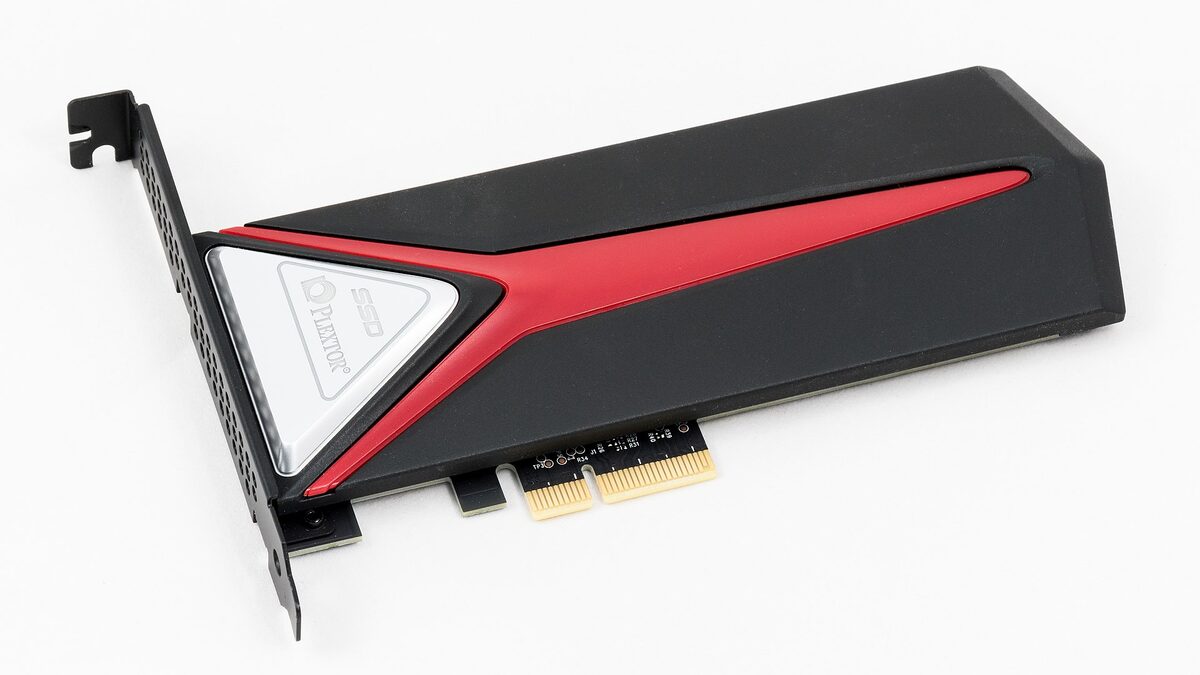
Graz researchers built FROST, a browser side-channel that times SSD activity to guess which sites and apps you're running. Here's how it works and what helps.

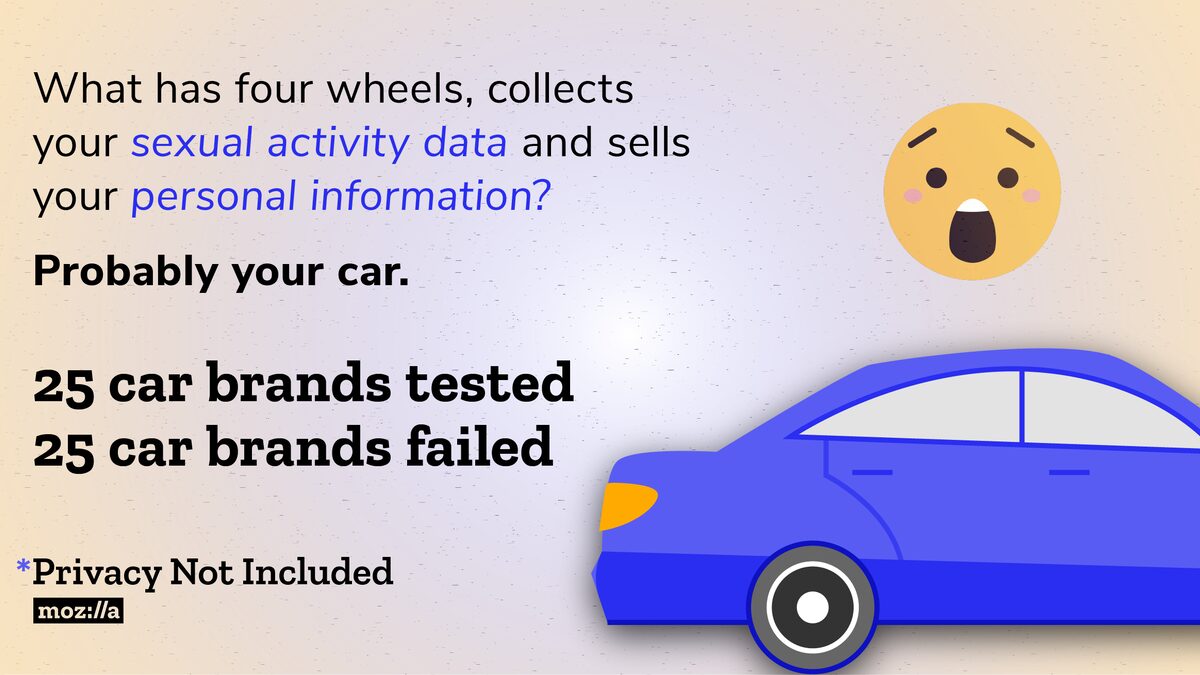
Connected cars collect location, driving behavior, in-cabin audio, and synced contacts, then route it to automaker clouds, brokers, and insurers. Here's how to stop it.
A Wired investigation and a CENTCOM letter to Senator Wyden confirm enemies are tracking US troops through commercial phone location data. Here's how the broker pipeline works.

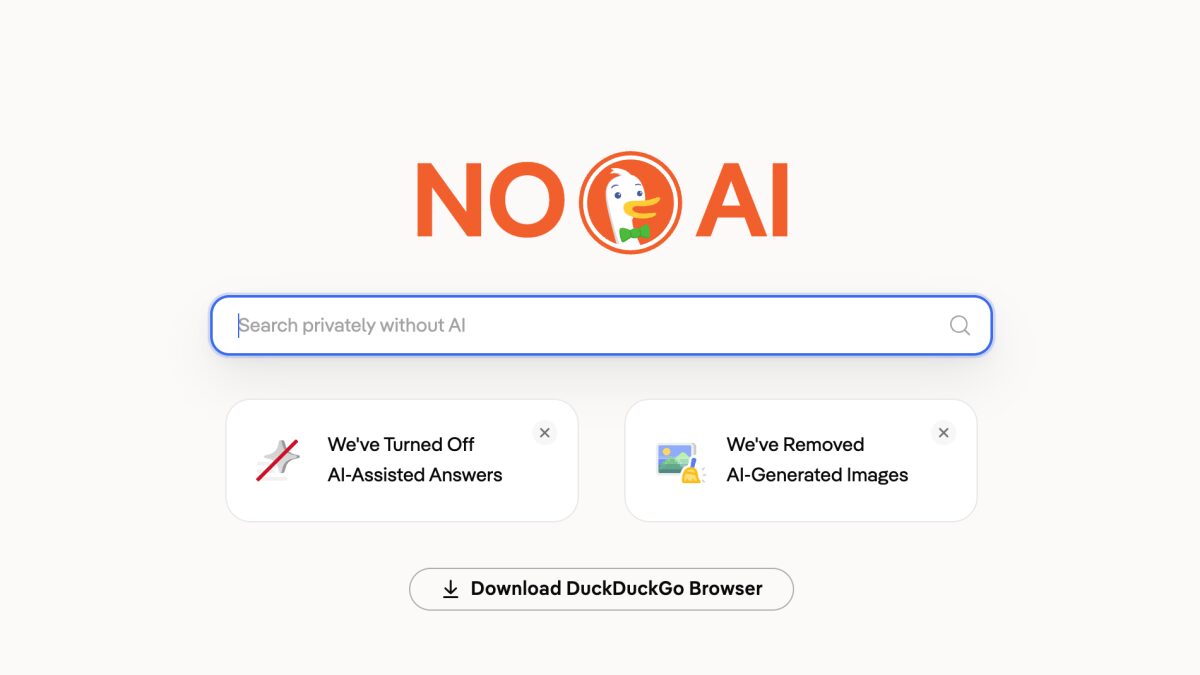
DuckDuckGo's US downloads climbed about 30% and its no-AI search page saw 28% more visits the week after Google's I/O push. The backlash is now measurable.

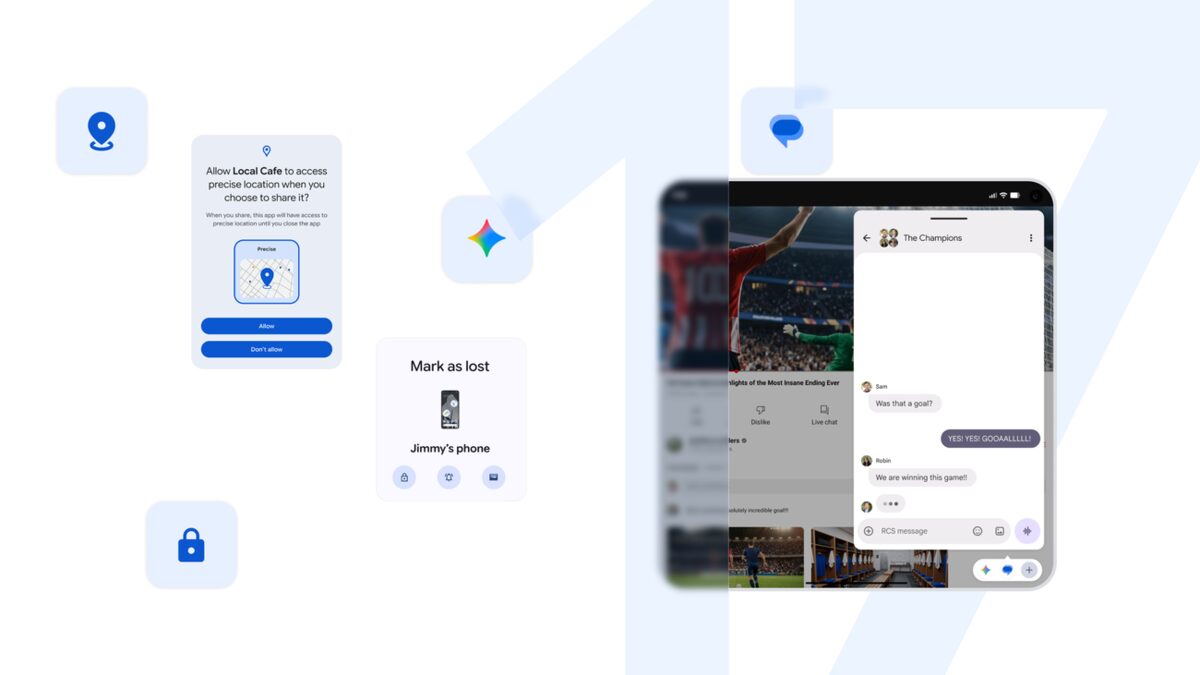
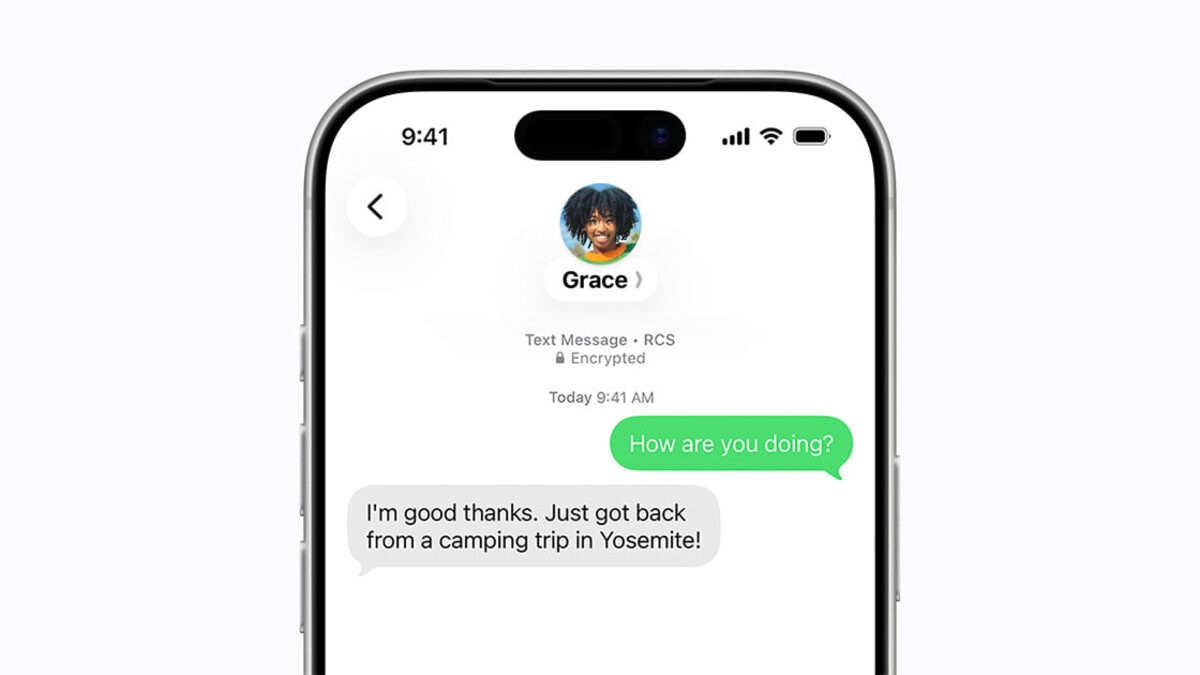
Apple and Google began rolling out end-to-end encrypted RCS on May 11. The MLS-based encryption rides on GSMA Universal Profile 3.0, but EFF says the rollout leaves real gaps.

NHS England created an admin role giving Palantir staff access to identifiable patient data. The £330M contract's break clause arrives in March 2027.

An EU Parliament briefing and Executive VP Henna Virkkunen both flagged VPN circumvention of age verification. The UK's attempt to solve it backfired into record VPN adoption.

RedAccess found that AI coding tools like Lovable, Base44, and Replit default to public hosting, leaving medical records, bank internals, and corporate secrets indexed by Google.

End-to-end encryption is gone from Instagram DMs as of May 8. Meta cited low adoption for a feature it never turned on by default.

A researcher showed Edge decrypts the entire password vault at launch and leaves it in process memory. Chrome decrypts on demand. Microsoft says it's intentional.

OpenAI released Privacy Filter on April 22 as an open-weight on-device model for masking eight types of PII. F1 of 96%. Runs in a browser. Here's the catch.