Apple considered camera-free smart glasses ahead of a planned WWDC 2027 debut
Bloomberg's Mark Gurman reports Apple is aiming for a WWDC 2027 reveal of its first smart glasses, with privacy features and even a camera-free build under discussion.
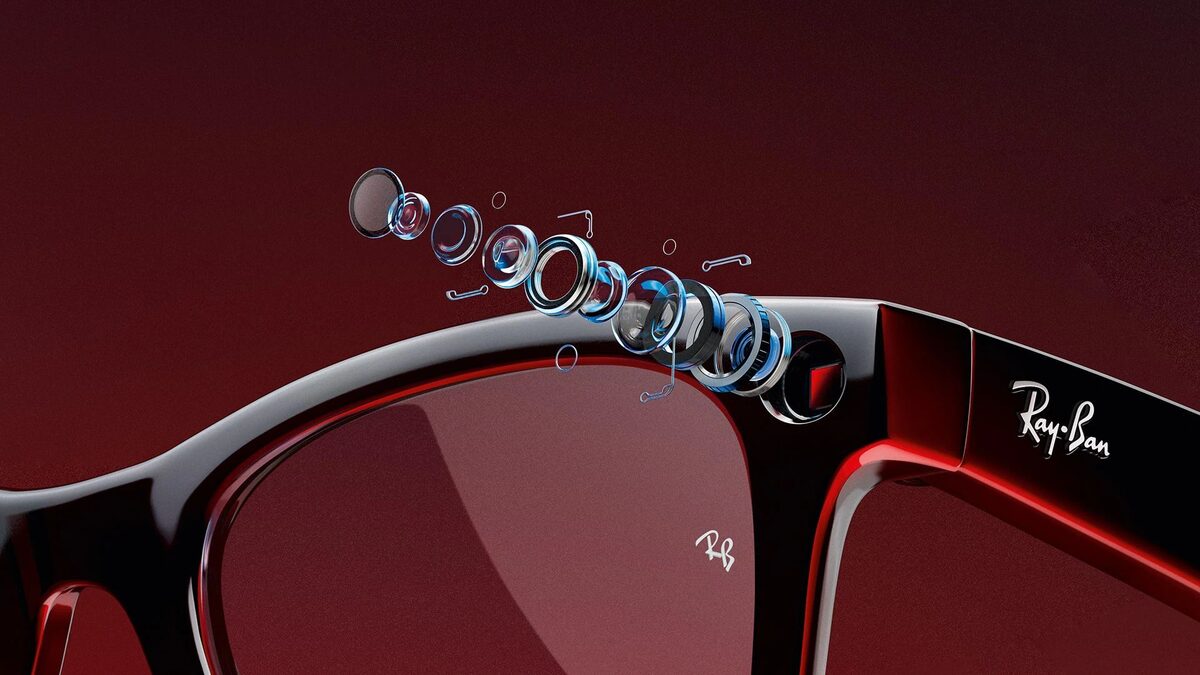
Apple’s first smart glasses may ship without a camera, or with one that can’t take a photo. That’s from Bloomberg’s Mark Gurman, who reports Apple is now targeting a WWDC 2027 reveal next June and a consumer release by the end of that year. Apple hasn’t commented.
The delay is the story. Gurman writes in his Sunday Power On newsletter that the glasses, code-named N50, were originally due for an introduction later this year with a launch in early 2027. They slipped in part because Apple’s engineering and marketing teams have been reworking the privacy message alongside the product. Meta got to this category first and made it commercially real. It also picked up a class-action suit over human review of customer footage, plus a spreading list of venues that ban the things outright.
What Gurman reported
Privacy is the axis everything here turns on. The teams building glasses inside Apple’s Vision hardware group, the same organization behind the Vision Pro, see “privacy as priority No. 1, I’m told,” Gurman wrote. He also describes “a slew of new hardware and software-related privacy features” in prototype that don’t exist on anything Apple sells today. What that means in practice is still being argued internally, per Gurman: cameras that feed Siri and Apple Intelligence without ever producing a saved photo or video, or, in the harder version, no camera system whatsoever. His read is that cameras probably survive, wrapped in unusual protections.
- Timing. A reveal at WWDC in June 2027, with shipping by the end of 2027.
- Ownership. The project sits in Apple’s Vision hardware group under the code name N50, the same program Gurman said in April was testing four acetate frame styles and a vertical camera array.
- The pitch. On-device processing, no facial recognition, no outside contractors reviewing footage, and no training Apple’s models on what a wearer recorded, per TechCrunch’s summary of the newsletter.
- The target. Apple’s marketing is expected to aim straight at Meta’s Ray-Ban line, which The Verge frames as the reputation Apple now has to sell around.
- The backdrop. Gurman notes courtrooms in New York and parts of Pennsylvania and Wisconsin already bar smart glasses, and Royal Caribbean has barred them from casinos, restrooms and children’s areas.
All of that traces to one place: Power On, published July 26. MacRumors and Engadget ran it the same day, working from the same newsletter rather than their own sources, and the r/apple thread on it drew 148 comments inside a day.
What’s still unknown
Apple hasn’t said a word on the record, and Gurman’s own framing stays conditional throughout. The camera-free build is something Apple considered, not something it picked. Roughly eleven months separate today from that keynote, which is a long stretch for a product that has already moved once.
- Price. No figure appears anywhere in the reporting.
- Display. Whether this pair puts anything in the wearer’s field of view goes unaddressed.
- The camera decision. Apple hasn’t landed it, and the newsletter doesn’t say when it will.
- Bystander consent. Nothing explains how the person across the table learns a camera is pointed at them, or gets any say in it.
- Whether the date holds. N50 has slipped once. Nothing here says June 2027 is locked.
What this means for you
Watch the hardware, not the keynote slide. A genuinely privacy-first pair of glasses has to do things you can check from outside the marketing: wire the recording indicator so the camera physically cannot run without it lit, keep inference on the device or inside Private Cloud Compute rather than a general server pool, and upload nothing by default. Meta has already been dragged partway there. Since July 11 its second-generation Ray-Bans shut the camera off when the indicator LED is covered or tampered with, a real fix that also concedes the original design didn’t work.
Then there’s Apple’s own record on exactly this. In August 2019 it apologized for letting contractors grade Siri audio: “we realize we haven’t been fully living up to our high ideals, and for that we apologize,” the company wrote at the time. Gurman reports Apple won’t repeat that with glasses footage. Believe it when the interlock is on a demo unit you can hold. If the June 2027 keynote sells privacy as a value instead of a mechanism, that’s marketing.
Share this article
Quick reference
Sources
- Apple's Smart Glasses Will Need to Overcome Meta's Privacy Reputation — Bloomberg
- Apple Planning to Unveil Privacy-Focused Smart Glasses at WWDC 2027 — MacRumors
- Can Apple make smart glasses that aren't a constant privacy threat? — TechCrunch
- Apple's smart glasses delay reportedly stems in part from major privacy concerns — Engadget
- Apple is banking on privacy to set its smart glasses apart — The Verge
- Meta tightens Ray-Ban smart glasses privacy while it tests 'super-sensing' AI prototype — Fortune
- Improving Siri's privacy protections — Apple