SpaceX filed for a $55B Texas chip fab. Total Terafab spend could hit $119 billion.
SpaceX filed plans for a $55B Terafab semiconductor facility in Grimes County, Texas. Total spend could reach $119 billion across phases.
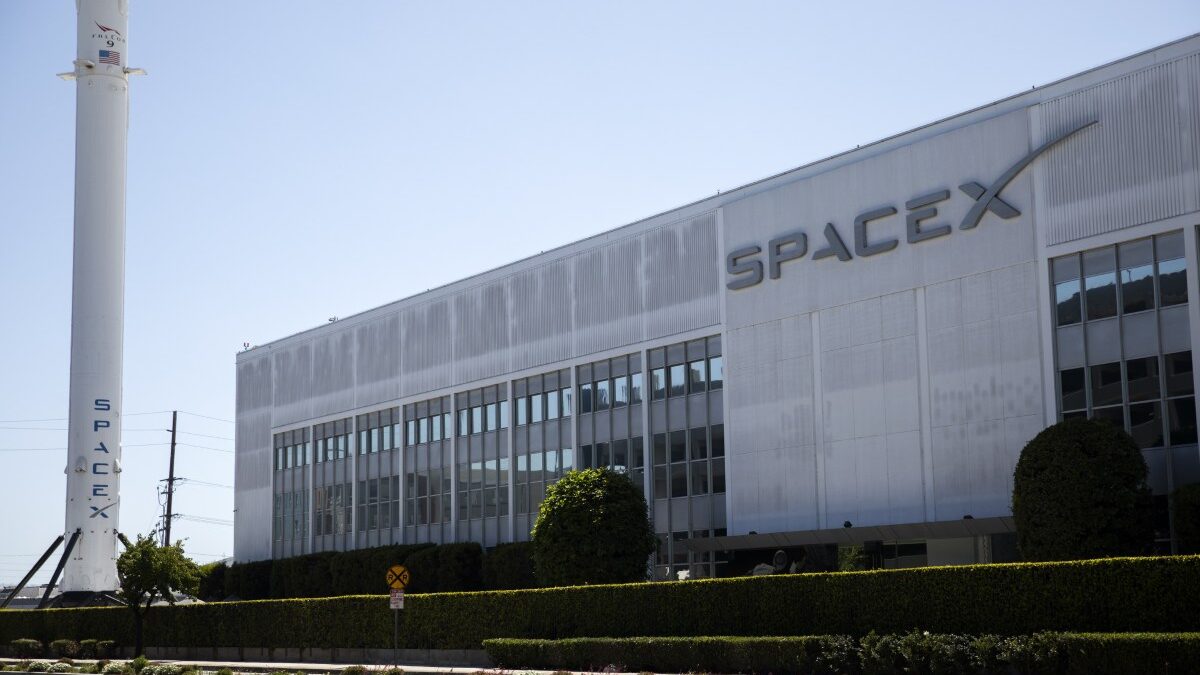
SpaceX put a number on the Terafab plan this week. A public hearing notice in Grimes County, Texas, filed May 6, discloses a first-phase capital outlay of $55 billion and a total project ceiling of $119 billion across the multi-phase buildout.
That ceiling, if it lands, would make Terafab the largest single semiconductor project ever announced by a private company. For reference, TSMC’s full Arizona footprint, including the new Fab 21 expansions, sits around $65 billion. Intel’s flagship Ohio One campus is in the $28-billion range as currently funded. Musk is asking for almost two of those, on one site, for one set of customers: SpaceX, xAI, and Tesla.
What the filing actually says
The Grimes County hearing notice describes Terafab as a “multi-phase, next-generation, vertically integrated semiconductor manufacturing and advanced computing fabrication facility,” per TechCrunch’s read of the document. SpaceX is the named filer because it now houses xAI under the same corporate umbrella, after the merger that pushed the combined entity to a reported $1.25 trillion valuation ahead of a planned June IPO.
What the filing is asking the county for is a property tax abatement tied to a newly created reinvestment zone, reported Tech Startups. The abatement amount and term are not yet public. That’s one of the reasons the $55 billion / $119 billion split matters: the higher number is the ask if the county tax deal goes through and SpaceX commits the full vertical buildout.
Musk wrote on X on Tuesday that Grimes County is “one of several locations under consideration.” The filing is real; the site selection isn’t final.
What chips, and for whom
The Terafab spec, as Musk has laid it out across Tesla earnings calls and Grok demos, covers four chip types:
- AI training and inference accelerators, primarily for xAI’s Grok line and for the eventual move to space-based data centers Musk has been pitching since the SpaceX-xAI merger.
- Satellite chips for Starlink and the upcoming next-gen constellation.
- Autonomous vehicle SoCs for Tesla’s vehicle fleet, replacing the current Hardware 5 silicon roadmap.
- Optimus robotics chips, which Tesla currently sources externally.
The first node would be Intel 14A, confirmed by Musk on the most recent Tesla earnings call and by our earlier coverage of the Intel-Tesla foundry deal. Intel announced in April that it would join Terafab to “design, fabricate, and package ultra-high-performance chips at scale,” which makes the project a hybrid: Musk owns the building and the customer demand, Intel brings the process technology and the foundry team.
Musk’s stated capacity goal is the source of the project name. He wants Terafab to eventually produce enough silicon to provide one terawatt of compute capacity per year, which is a number with no current industry precedent and no published methodology behind it. Treat it as ambition, not a spec sheet.
What’s still up in the air
Nothing about Terafab is funded yet. The $55 billion is a ceiling SpaceX is committing to in exchange for a tax abatement, not money in the ground. The $119 billion is conditional on phases two and beyond, which depend on demand that doesn’t exist outside Musk’s own companies today.
Output timing is the other open question. Morgan Stanley’s projection, which several outlets have cited but no one has fully published, is that even an aggressive build-out gets first chip output no earlier than mid-2028. That’s a long horizon for a company that needs xAI training capacity now and is currently buying it from Nvidia.
The Grimes County hearing itself hasn’t happened. The notice is the filing; the abatement vote comes later. Until that vote, the location is provisional and the dollar figures are projections.
What this means for you
If you watch chip stocks, this filing is the trigger event for a Tesla-and-SpaceX-led demand wave that doesn’t run through Nvidia. Intel is the immediate beneficiary on the foundry side, which is why the recent Intel/Apple chip-talks story and the Terafab confirmation hit the same week. The market is repricing Intel as a foundry company with two whale customers in queue, even though neither contract is locked.
If you build on AI infrastructure, watch the timeline. Mid-2028 first output means xAI’s training stack stays on Nvidia H- and B-series accelerators through at least the next two model generations. Anyone betting on a Musk-led alternative to the Nvidia stack in the near term is betting on a fab that hasn’t broken ground.
If you’re in Grimes County or anywhere on the Texas semiconductor corridor, the property tax abatement is the lever. The county has been a quiet rural site through the entire Texas chip wave; a 6,500-acre site for Terafab plus the support buildings would be the largest single industrial project the area has ever zoned. Whether that goes through depends on a hearing that hasn’t been scheduled yet.
Share this article
Sources
- SpaceX may spend up to $119B on 'Terafab' chip factory in Texas — TechCrunch
- SpaceX files for $55 billion semiconductor fab in rural Texas for Musk's Terafab — Tom's Hardware
- SpaceX files $55B Terafab chip factory plan in Texas as Musk doubles down on AI chips — Tech Startups
- SpaceX Proposes $55 Billion to Begin Terafab Project in Texas — Bloomberg