Trump dropped the mandatory AI model review after Silicon Valley pushed back
Trump's June 2 AI executive order asks for a voluntary 30-day model review, down from a mandatory 90-day one. Here's what got cut and who pushed.
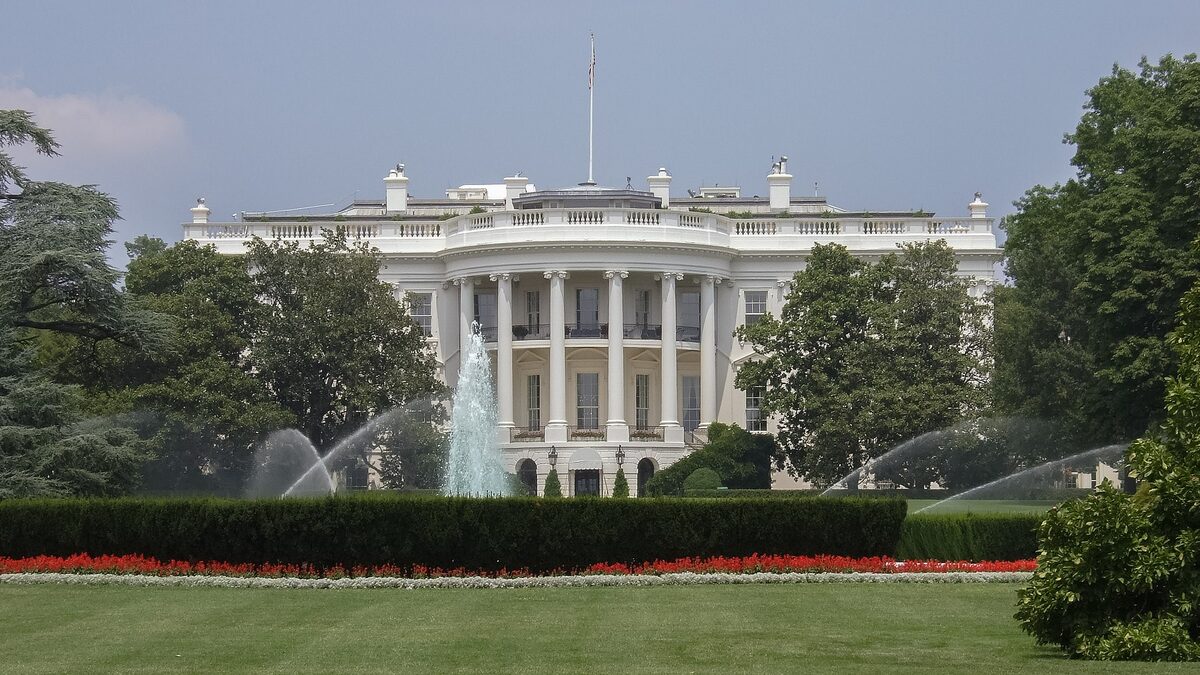
President Trump signed a slimmed-down AI executive order on June 2. The version that reached his desk is far softer than the one he nearly signed two weeks earlier, and the change traces directly back to lobbying from AI companies and investors.
The order, titled “Promoting Advanced Artificial Intelligence Innovation and Security,” asks AI firms to voluntarily hand over their most capable models to the government for evaluation up to 30 days before release. That’s the whole ask. No license. No permit. No gate you have to clear before you ship. For anyone building frontier models in the US, the headline is what isn’t in the order: the mandatory review that Silicon Valley spent late May fighting to kill. Trump had been set to sign a tougher draft on May 21, then scrapped the ceremony over worries it could “dull America’s edge on AI technology.” The walk-back is the story.
What the order actually does
Strip away the framing and three things are left. First, the voluntary 30-day review: companies can submit “covered frontier models” to the government for testing before launch, but they don’t have to. Second, the order directs the Department of Justice to prioritize enforcement of AI-assisted crimes like hacking and unauthorized system access. Third, it sets up a cybersecurity clearinghouse, coordinated by the Treasury Secretary alongside the National Cyber Director, NSA, and CISA, to help AI firms and critical-infrastructure operators find and patch software flaws. That clearinghouse is supposed to stand up within 30 days, according to The Next Web’s reading of the text.
The most consequential line is a prohibition, not a mandate. The order states that “nothing in this section shall be construed to authorize the creation of a mandatory governmental licensing, preclearance, or permitting requirement for the development, publication, release, or distribution of new AI models, including frontier models,” per TechCrunch’s report on the signed text. Read that twice. The order doesn’t just decline to require a license. It actively forecloses one. That’s a deliberate signal to industry that the federal government isn’t going to play gatekeeper, at least not through this document.
What got cut from the May draft
The draft Trump rejected on May 21 was a different animal. It called for a mandatory 90-day pre-release review window, gave the government formal authority to evaluate frontier models, and attached reporting requirements for companies training the most powerful systems, NPR reported. All three are gone. The 90-day mandatory window shrank to a voluntary 30-day one. Formal evaluation power became a “collaborative framework.” The reporting mandates didn’t survive at all.
So the gap between the two versions is the whole ballgame. The May draft handled frontier AI like a regulated product that needs sign-off before it goes out the door. The June order handles it like something the government would like to look at, if you’ll let them. Industry insiders had pushed for an even shorter window, closer to two weeks, which tells you how hard they were leaning on the review period as the thing to compress. They didn’t get two weeks. But going from “mandatory 90” to “voluntary 30” is most of the way there.
The Council on Foreign Relations flagged what the narrower version leaves on the table. The order “does not address systemic patching challenges,” especially for under-resourced operators like school districts and water-treatment plants, and offers “no mechanism to compel broader adoption” of the cyber improvements it describes, CFR’s analysis noted. A voluntary framework is only as strong as the number of companies that opt in, and right now that number is zero by definition.
Who pushed back, and why it worked
The pressure campaign wasn’t subtle. AI companies argued that a mandatory pre-release test would slow American development, hand China a head start, and set a precedent for the government deciding when a model is allowed to ship. That last point is the one that lands hardest in Washington right now. The framing of “don’t let Beijing win” has been the most reliable way to kill a US tech rule for the past two years, and it worked again here.
One name keeps coming up. Venture capitalist David Sacks, the former White House AI czar, was among those who objected before Trump pulled the May signing, TechCrunch reported. Trump’s own stated reason for the delay leaned the same direction: he didn’t want to “get in the way” of US firms leading against China. When the president and his former AI adviser are reading from the same script, the mandatory-review crowd was never going to win that round.
Frame this accurately. The whole episode was a fight inside a friendly administration over how light the touch should be, and the lighter side won. Compare that to the EU’s AI Act, which carries binding obligations and real penalties. The US order, by design, carries neither.
Where the real fight goes: states and the courts
If you build or deploy AI, the licensing question isn’t the one to watch. The preemption question is. This order deliberately sidesteps state law. The federal effort to override state AI statutes lives in a separate order Trump signed in December 2025, “Ensuring a National Policy Framework for Artificial Intelligence,” which asserts broad federal authority over state rules the administration views as obstructing national policy.
That December order is the aggressive one. It created a DOJ AI Litigation Task Force, directed agencies to identify and challenge state requirements seen as inconsistent with federal priorities, and tied some broadband funding to states pausing enforcement of conflicting AI laws, per the White House action. Law firms tracking it expect a court fight, because states tend to treat consumer-protection and civil-rights rulemaking as their own turf. We’re reporting that as the live legal question, not predicting how it lands.
So the June order and the December order pull in opposite directions on purpose. June says the feds won’t license your model. December says the feds want to be the only government that gets to set the rules. For a startup shipping in California or a deployer in Colorado, both states with active AI statutes, the practical near-term answer is that state law still applies until a court says otherwise. The federal posture is “trust us,” and the enforcement teeth are pointed at the states, not at the model builders.
This is the same federal-versus-local tension showing up across tech policy right now, from the Pentagon’s contested phone-location tracking program to local officials blocking police data deals over civil-liberties concerns. The pattern: the center wants one rulebook, the edges keep writing their own.
What this means for you
If you ship AI products, the immediate burden didn’t change. There’s no new filing, no license, no pre-clearance, and the federal government just promised in writing it won’t create one through this order. The voluntary 30-day review is opt-in, and unless your legal team sees an upside in volunteering your model for government testing, most builders will pass. The thing to actually track is the December preemption order and the lawsuits it draws, because that’s what decides whether you’re complying with one federal standard or a patchwork of state ones a year from now. Watch the DOJ litigation task force’s first target. That filing will tell you more about your real compliance future than anything in the order signed this week. The Trump administration just showed it’ll trade away mandatory oversight under industry pressure, so the rules that bind you are the ones states write and courts uphold, not the ones the White House waves off.
Share this article
Sources
- Trump signs narrower executive order on AI oversight after industry objections — TechCrunch
- Trump's new AI safety order seeks voluntary review of new models — NPR
- Assessing Trump's Executive Order on AI Oversight — Council on Foreign Relations
- Ensuring a National Policy Framework for Artificial Intelligence — The White House
Frequently Asked
- What does Trump's June 2026 AI executive order actually require?
- It asks AI companies to voluntarily submit covered frontier models to the government for evaluation up to 30 days before public release. It also directs the DOJ to prioritize AI-assisted crimes and sets up a Treasury-led cyber clearinghouse. Nothing in it is mandatory for developers.
- How is it different from the version Trump almost signed in May?
- The May draft proposed a mandatory 90-day pre-release review, formal government authority to evaluate frontier models, and reporting requirements. The final order cut all three. The 90-day mandatory window became a voluntary 30-day one.
- Does the order preempt state AI laws?
- Not directly. This order explicitly avoids any mandatory licensing or preclearance. The preemption push lives in a separate December 2025 order that created a DOJ litigation task force to challenge state AI statutes, which is expected to be fought in court.
- Who pushed back on the tougher draft?
- AI firms and investors argued a mandatory review would slow US development against China. Venture capitalist and former White House AI czar David Sacks was among those who objected before Trump delayed the signing in late May.
- What's a frontier model in this context?
- The order covers the largest, most capable AI systems, the kind trained at the top of the compute and capability curve. Smaller, narrowly scoped models fall outside the review framework entirely.