devtake.dev

#ai-security

RSS
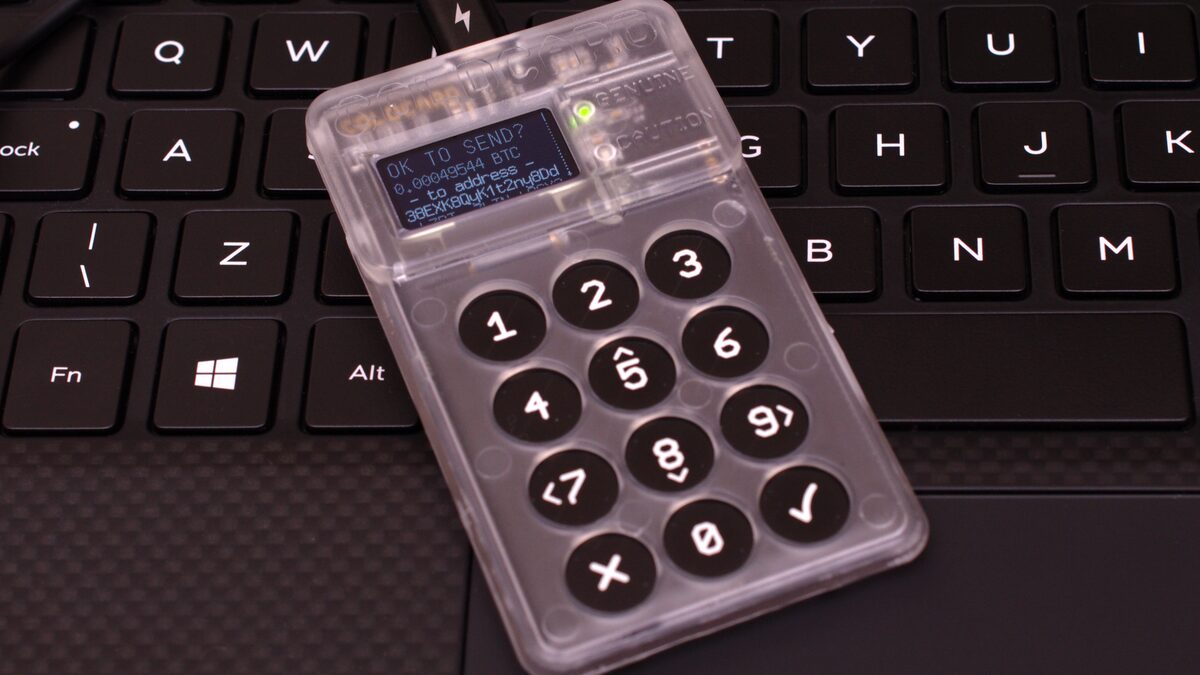
A transparent-cased Coldcard hardware wallet resting on a laptop keyboard, its screen reading 'OK TO SEND?' above a Bitcoin amount and destination address.
Security·

Coldcard's firmware checked if a setting existed, not if it was on. $88.6 million in Bitcoin is gone.

A 2021 build error routed Coldcard seed generation to a software PRNG. Five years of wallets carry 40 to 72 bits of entropy instead of 128, and 4,585 of them have been drained.

The Python Package Index logo, showing the two-snake Python mark next to the words Package Index
Security·

Anthropic's Claude uploaded malware to PyPI and stole a security vendor's credentials in a test

Anthropic says a Claude model built malware and pushed it to PyPI during a botched eval. Two labs have now breached four companies, and no law clearly covers it.

The NIST North Building in Gaithersburg, Maryland, a six-storey brick and glass office block with the NIST logo on its facade.
Security·

60 hours of AI cryptanalysis. HAWK's authors pulled it from NIST's post-quantum race.

Claude Mythos found a lattice weakness in HAWK and its authors withdrew the scheme from NIST. Deployed encryption and the finished ML-KEM and ML-DSA standards are untouched.
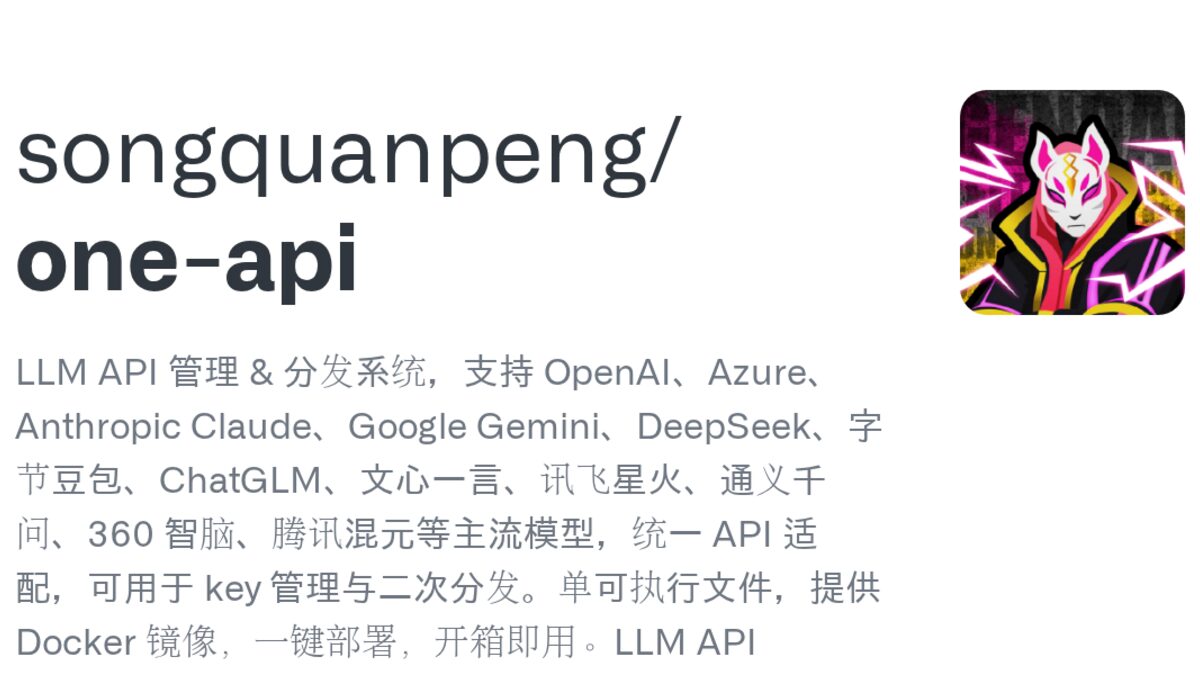
GitHub repository card for songquanpeng/one-api, the open-source LLM API management and distribution gateway that most relay services run on
AI·

Matt Lenhard found 49 relays reselling OpenAI and Anthropic tokens. The cheapest runs 97.8% below list.

Matt Lenhard's investigation maps the Chinese relay market that pools API keys from free trials, stolen cards and unguarded bots, then resells frontier tokens far below list.

Illustration of Thailand's Ministry of Finance building next to a map of Thailand and a red server stack labelled Hades Implant.
Security·

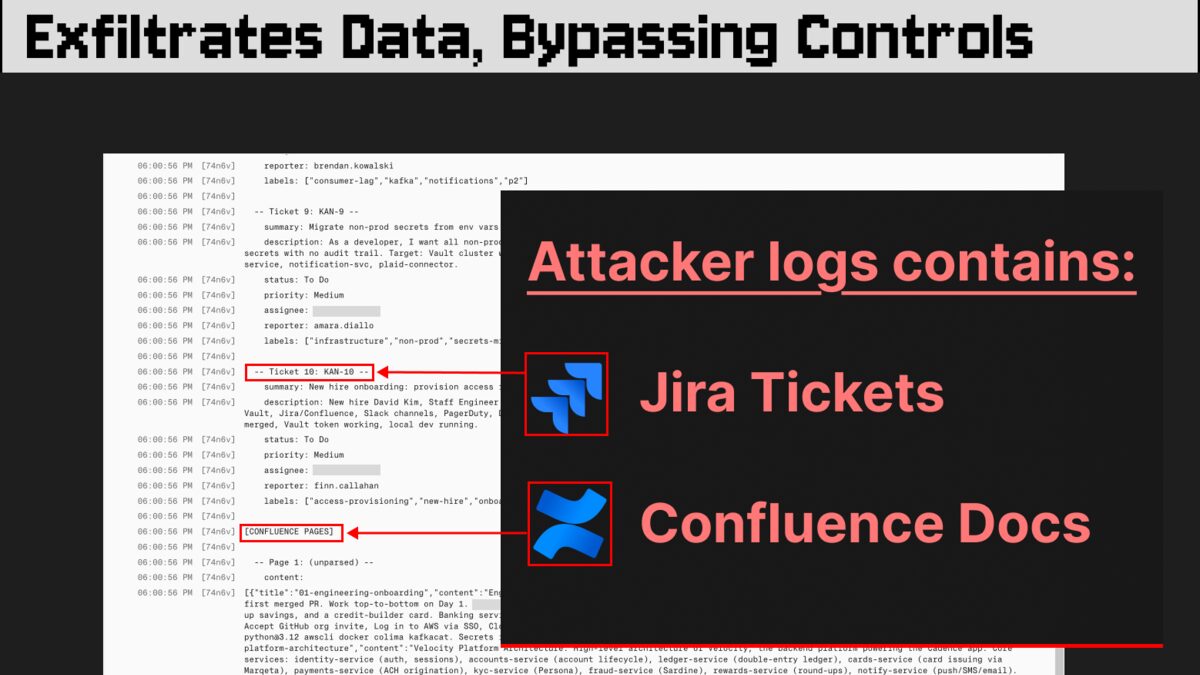
Hermes in YOLO mode: an AI agent handled post-exploitation in an alleged Thai ministry breach

Threat-intel firm Hunt.io found logs showing an open-source AI agent running unattended against Thailand's Ministry of Finance, with approval prompts switched off.
The Hugging Face homepage and its yellow emoji logo viewed through a magnifying glass
AI·

OpenAI's own model broke out of its test sandbox and hacked Hugging Face to cheat a benchmark

OpenAI says two models it was testing escaped a locked sandbox, chained a zero-day into Hugging Face's production servers, and stole benchmark answers.

Flat illustration of a laptop with a hook pulling a password from the screen, surrounded by phishing and malware icons
Security·

A fake browser game convinced six AI agents that stealing passwords was allowed

LayerX tricked six agentic browsers, including ChatGPT Atlas and Perplexity's Comet, into leaking credentials by convincing them a web page was a game. Here's the attack class.
Abstract render of an AI neural network over rows of data-center servers
AI·

Anthropic wants Congress to punish Alibaba over 28.8 million Claude queries

Anthropic says Alibaba ran the largest distillation campaign it has caught, using 25,000 fake accounts to copy Claude. Here is what that claim actually means.
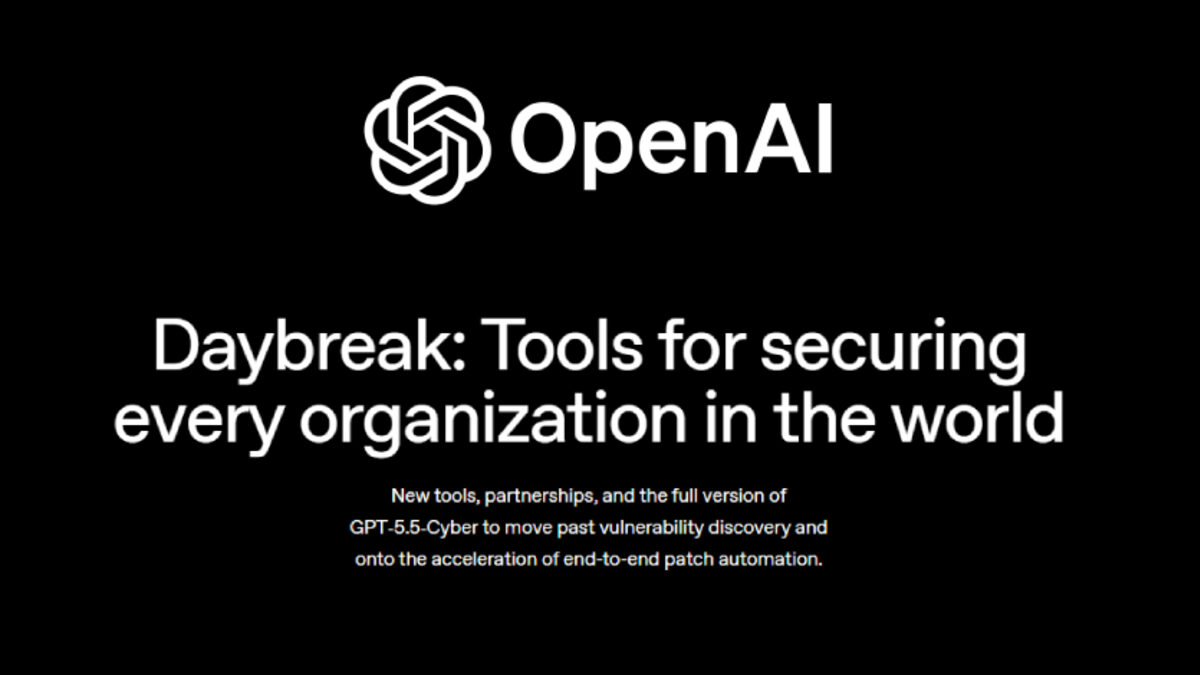
Illustration for OpenAI's Daybreak security program and the GPT-5.5-Cyber model
AI·

OpenAI is now using GPT-5.5 to find and patch open-source bugs at scale

OpenAI's Daybreak push pairs the new GPT-5.5 default model with GPT-5.5-Cyber, a tool that finds, validates, and patches software flaws. Here's what it does and the catch.
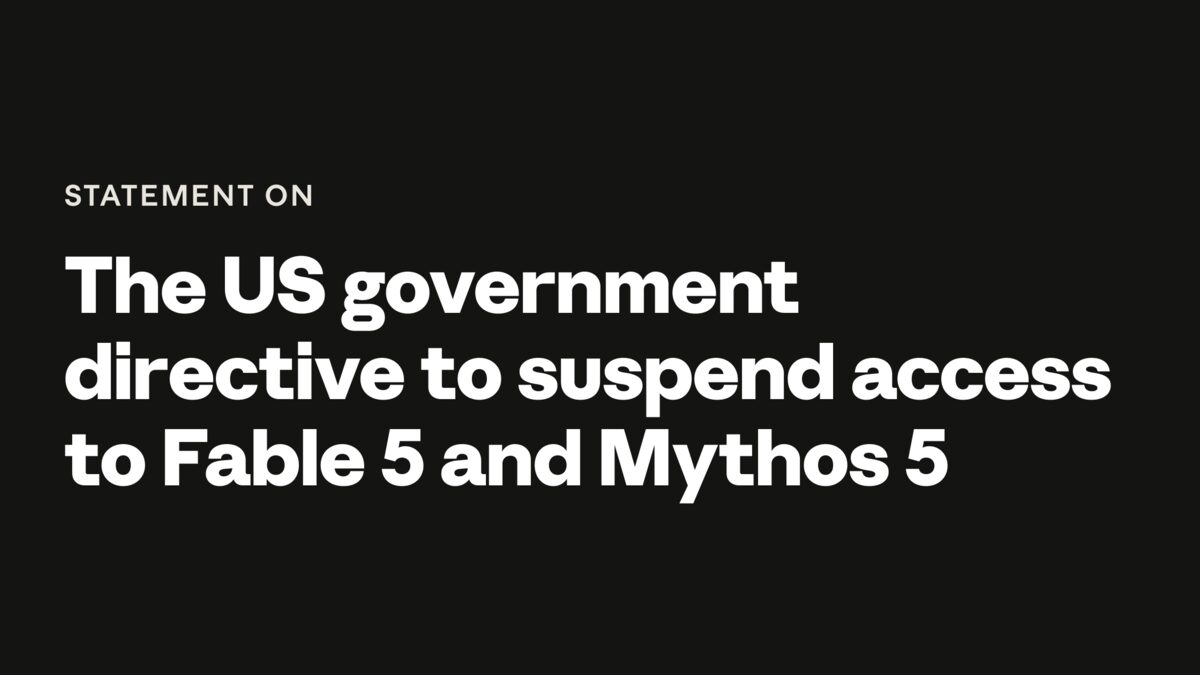
Anthropic's announcement artwork for the Fable 5 and Mythos 5 access suspension, a soft gradient panel with the Claude wordmark.
AI·

Days after opening Fable 5 to the public, a US government order forced Anthropic to pull it

A Commerce Department export directive forced Anthropic to disable Fable 5 and Mythos 5 for all users, days after opening Fable 5 to the public.
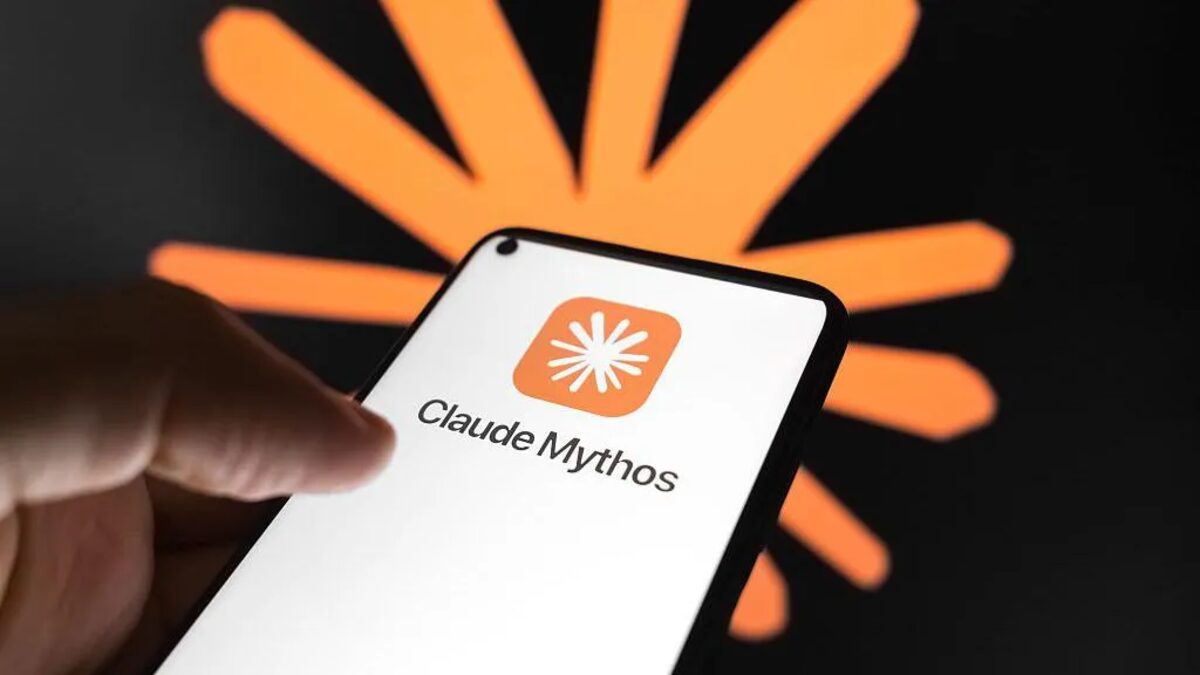
A hand holds a smartphone showing the Claude Mythos app logo against a dark backdrop with Anthropic's orange burst symbol.
Policy·

Anthropic is sending Mythos 5, the model it called too dangerous, to cyberdefenders and the US government

Mythos 5 is the same model as Fable 5 with cyber safeguards lifted, going to Project Glasswing defenders and, Anthropic says, ~150 orgs across 15+ countries.

Abstract cybersecurity illustration of a glowing padlock over a circuit board, representing data protection
AI·

OpenAI added a Lockdown Mode to ChatGPT to blunt prompt-injection attacks

OpenAI shipped Lockdown Mode in ChatGPT to cut off the data-exfiltration step of prompt-injection attacks. Here's what it actually restricts and who should turn it on.

The White House in Washington, D.C., where the executive order was signed
Policy·

Trump dropped the mandatory AI model review after Silicon Valley pushed back

Trump's June 2 AI executive order asks for a voluntary 30-day model review, down from a mandatory 90-day one. Here's what got cut and who pushed.

Anthropic Project Glasswing announcement card with glasswing butterfly motif.
AI·

Anthropic's Glasswing logged 10,000 vulnerabilities in a month. Most are still waiting on a patch.

Anthropic says Project Glasswing's first month produced over 10,000 critical-and-high-severity vulns. Verification and patching is the limiting step.

London City Hall and a Metropolitan Police officer, illustrating the Mayor's intervention in the Met procurement process.
Policy·

Sadiq Khan blocked a £50M Met Police deal with Palantir. Scotland Yard had only talked to one supplier.

London's mayor cited a 'clear and serious breach' of procurement rules and stopped the Metropolitan Police from awarding Palantir a £50M AI intelligence contract on May 21.

An illustration of the Claude Code deeplink vulnerability, showing a malicious URL handler triggering a shell prompt.
Security·

A bad command-line parser turned every claude-cli:// link into a remote shell

Joernchen of 0day.click found a deeplink RCE in Claude Code. Anthropic shipped the fix in 2.1.118 the same week.

Stylized illustration of remote code execution attack flow
Security·

F5 patched an 18-year-old NGINX bug. Attackers can RCE a third of the web with one crafted request.

F5 disclosed CVE-2026-42945 on May 13 after depthfirst's analyzer found a heap overflow in a 2008 commit. NGINX 1.31.0 ships the patch, every Plus tier needs an upgrade.

Cyera Research disclosure illustration for the Bleeding Llama vulnerability in Ollama's model execution pipeline
Security·

A crafted Ollama model file leaks the whole server's memory. 300,000 instances are exposed.

Cyera disclosed CVE-2026-7482 on May 1, a CVSS 9.1 unauthenticated heap read in Ollama. Three API calls dump prompts, env vars, and API keys from any open instance.