Apple dropped its 7-year 'net cash neutral' policy. Ternus is freeing up the balance sheet for AI.
Mark Gurman's May 3 Power On reads Apple's quiet capital-allocation shift as cover for John Ternus to spend more on AI infrastructure and acquisitions, less on buybacks.
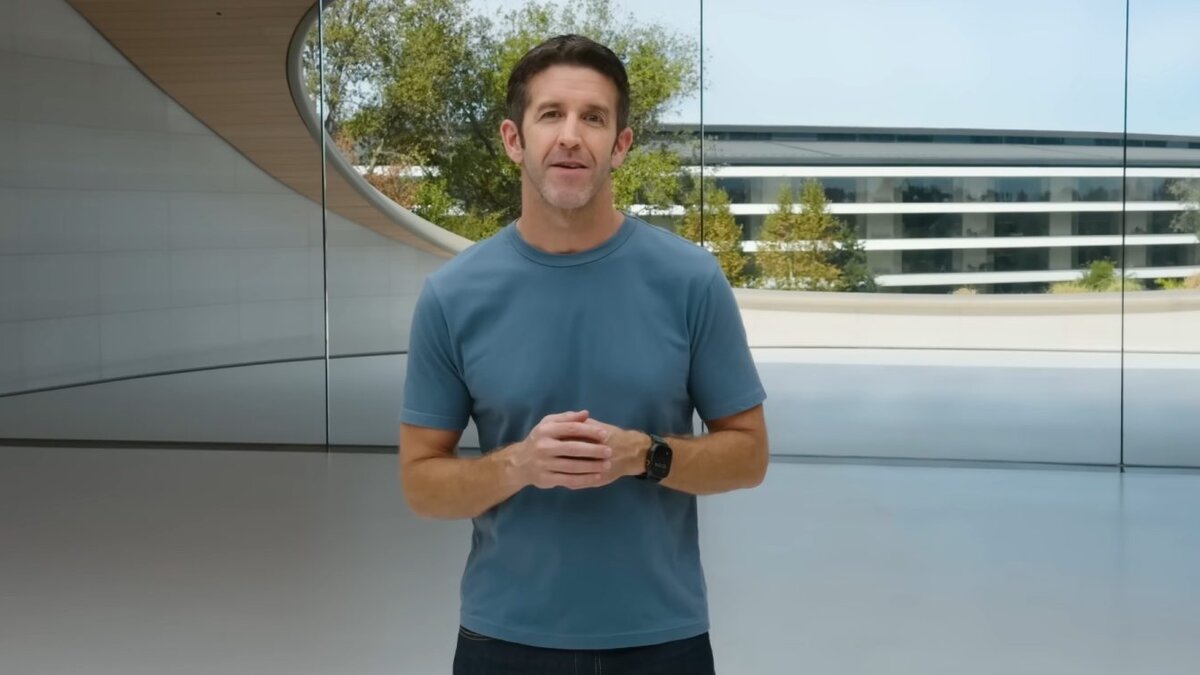
Mark Gurman’s May 3 Power On column read Apple’s Q2 earnings call cleanly. The seven-year-old “net cash neutral” target is over. Incoming CEO John Ternus will hold cash for investment instead of recycling every spare dollar back to shareholders. The change wasn’t framed as a policy reversal; it landed in a single CFO sentence.
The math behind that sentence is loud once you see it. Apple’s net cash sits near $54B. Microsoft has guided fiscal 2026 AI capex at roughly $190B. Alphabet is at $180-190B. Meta committed up to $145B. Apple’s biggest acquisition ever, the $3B Beats deal in 2014, is rounding error against any of those numbers. Ternus inherits a balance sheet that’s larger than every other Big Tech CEO’s working capital and a mandate that’s wider than any one Apple has had since 2018.
What actually changed on the call
CFO Kevan Parekh said it cleanly. “We will independently evaluate cash and debt. Capital returns will continue to be important to our overall approach by delivering long-term shareholder value,” he told analysts on the Q2 2026 earnings call, which posted record $111.2B revenue.
The line that matters is the first half. Apple’s old framing tied cash and debt together: hold roughly enough debt to offset the cash pile, return everything else. Independent evaluation means cash can sit there for a quarter or six without an automatic obligation to send it back. The board paired the disclosure with a fresh $100B buyback authorization and a 4% dividend bump to 27 cents per share, so the optics on shareholder returns are still healthy. The substance is that the leash got longer.
Analyst Amit Daryanani called the shift Apple “doing more deals and investing cash differently.” Gurman, working from Apple-side sources, layered specifics: Ternus has been pushing inside the company for years to invest more in product and infrastructure, and the 2018 net-cash target had become a cap on the kind of swings he wanted to take.
Why the 2018 target existed in the first place
Apple’s “net cash neutral” policy was announced under Tim Cook and CFO Luca Maestri in May 2018. The context was the 2017 Tax Cuts and Jobs Act, which let Apple repatriate roughly $250B of overseas cash at a discounted rate. The cash flooded in. The board needed an answer for what to do with it that wouldn’t read as either reckless spending or hoarding. “Net cash neutral over time” was the answer: keep the balance sheet roughly even by buying back stock, paying dividends, and using debt as a balancing instrument.
It worked, by its own metrics. Apple has returned more than $1T to shareholders in buybacks and dividends over the Cook era. The cash pile shrank, the share count shrank, EPS rose mechanically, and analysts had a number to model against. What it also did, as Gurman has reported repeatedly over the past year, was make every multi-billion-dollar acquisition or capex push internally hard. A $30B chip-fab investment or a $40B AI startup acquisition would have to fit inside a target that said “send the cash out, not in.”
The Cook era had use cases that fit that constraint. The Ternus era doesn’t.
What Ternus is being set up to do
Gurman’s reporting points at three buckets. None of them are surprising; the surprise is that they’re now budgetable.
The first is AI infrastructure. Apple has been visibly behind on data-center build-out, on training compute, and on the Apple-Silicon-for-servers chip line that’s been quietly in development since the M2 era. Anthropic, OpenAI, and the hyperscalers have spent the last two years putting money into the ground. Apple has been writing rent checks to Google and (post-deal) renting Anthropic capacity for Apple Intelligence’s harder workloads. The cash Ternus just freed up is the kind of cash that builds your own data centers instead of renting capacity from the company you’re competing with.
The second is acquisitions. Apple’s M&A history is small-shop talent acquisitions and the occasional medium deal. With the constraint lifted, Bloomberg flags that Apple could now consider deals in the $10B-$30B range, which is where the interesting AI-startup tier sits. There are no named targets in Gurman’s column, and Apple’s culture cuts against splashy big-name buys, so the realistic shape is several mid-size deals over twelve to eighteen months, not one trophy. Watch the smaller foundation-model labs, on-device AI specialists, and the data-center hardware vendors first.
The third is the chip team. Apple has been growing the Apple Silicon group inside the building rather than hiring at the rate Nvidia, AMD, and the hyperscalers have. Ternus came up through hardware engineering, and his comfort zone is product. A bigger chip team, an expanded fab partnership beyond TSMC, or the long-rumored “Apple Silicon for servers” ramp would all consume cash on a scale the old policy actively discouraged.
What this means for the rest of Big Tech
The shift matters because Apple has been the outlier on AI spend. The other four hyperscalers are collectively on track for roughly $700B of AI infrastructure capex in 2026. Apple has been spending less, with no public guidance on its own ramp. If Ternus actually deploys the freed cash on infrastructure, Apple becomes the fifth bidder for the same scarce GPUs, the same data-center power capacity, and the same on-device-AI talent. That tightens supply for everyone else.
It also pressures Microsoft and Google specifically. Microsoft’s enterprise AI pitch has rested on Apple not having an alternative to Azure-hosted OpenAI; if Apple builds its own stack, the largest customer Microsoft doesn’t yet have stops being a prospect. Google’s Gemini-on-Siri partnership becomes a transition arrangement rather than a long-term lock-in. Both possibilities have been floating since 2024. Today’s policy change is the first tangible signal that Apple has the financial freedom to chase either.
Warren Buffett, Apple’s largest individual shareholder via Berkshire, publicly endorsed the Ternus succession last week and called Cook’s tenure “the toughest job a CEO has done in succeeding a legend.” The endorsement matters because Buffett has been the ballast that makes Apple’s cash policies politically safe inside the analyst community. His blessing of Ternus signals that the major holder won’t punish a slower buyback cadence as long as the cash goes somewhere productive.
What this means for you
If you’re an Apple developer, watch the platform-level AI tooling roadmap over the next two quarterly briefings. The cash-policy change is the upstream signal that the platform team will get more headroom for actual infrastructure rather than features bolted on top of rented capacity. On-device model size, private compute cluster expansion, and the long-running Apple Intelligence rollout should all benefit from a budget that can absorb a real data-center build.
If you’re following Apple as a customer, expect the product cadence to look the same in 2026 and start diverging in 2027. Hardware refreshes don’t move on a quarterly cash decision; AI features and services do, because they’re the part Apple has been visibly under-investing in. The first place this shows up is likely the next Siri overhaul, where the choice between “Gemini-powered transition” and “Apple-stack endgame” stops being theoretical.
If you’re an engineer in the broader AI tooling space, your customer base just got a new participant. Apple has historically built rather than bought the engineering inside its walls, but the cash policy makes acquihires and direct strategic bets cheaper to pursue. If you’ve been pitching Microsoft, Meta, or Google, add Cupertino to the list. The constraint that used to make that pitch a waste of time just got lifted.
Share this article
Sources
- Apple Signals New CEO Ternus Will Invest Cash Differently Than Cook — Bloomberg
- Apple drops net cash neutral target as incoming CEO Ternus prepares to invest in AI and acquisitions — The Next Web
- Under Ternus, Apple Is Reportedly Entering a Spendy New Era — Gizmodo
- Apple Q2 2026 earnings call transcript and capital-return announcement — Apple
Frequently Asked
- What is Apple's 'net cash neutral' target and when did Apple drop it?
- Apple set the target in 2018 under CFO Luca Maestri: roughly balance the company's cash and debt over time by returning excess cash to shareholders via buybacks and dividends. Apple did not formally rescind it on the record, but on the May 1 earnings call CFO Kevan Parekh said cash and debt would now be evaluated independently. Bloomberg's Mark Gurman read that as the policy ending in 2026 after seven years.
- How does this change buybacks?
- It doesn't end them. The board authorized another $100B buyback program and raised the dividend 4% to 27 cents per share. What changes is the rule that capital returns must absorb every dollar of net cash. Ternus can now hold cash on the balance sheet for opportunistic investment without explaining a deviation from a stated target.
- What might Apple buy?
- Gurman names no specific target. The framing in his Power On column, and in subsequent Bloomberg coverage, is that Ternus has authority for larger deals than Apple has historically done. Apple's biggest acquisition ever is still the $3B Beats deal from 2014. AI infrastructure (data-center build-out, chip design teams) and AI startups are the two buckets analysts are watching.
- How does this compare to other big-tech AI capex?
- Microsoft guided roughly $190B for fiscal 2026 AI infrastructure. Alphabet is at $180-190B. Meta committed up to $145B. Apple's capex is a fraction of those numbers and the company has been notably absent from the AI-data-center build-out cycle. The shift in cash policy doesn't promise that Apple will match those numbers; it removes the formal constraint that would have prevented it.
- Does this affect Apple Intelligence or Siri timelines?
- Not directly. The cash policy is upstream of any product roadmap. What it could change is how Apple solves the gap that has been visible since 2024: a competitor like Google can rent Anthropic and OpenAI capacity (and is shipping Gemini in iOS via the Siri partnership) while Apple has been building in-house. More cash on hand makes both buy and build cheaper to pursue at the same time.