devtake.dev

#security

RSS

Vulnerabilities, breaches, and defensive-security research across the platforms devs actually use.

Minecraft promotional artwork accompanying coverage of the WeedHack malware campaign
Gaming·

116,000 Minecraft PCs got infected by fake mods. The 'WeedHack' stealer is free to anyone.

McAfee says a free malware-as-a-service stealer called WeedHack has hit 116,000+ Minecraft systems via fake mods and cheats. Here's what it grabs and how to clean up.

GitHub and Windows security composite with a warning overlay
Security·

GitHub banned the researcher dropping Windows zero-days. The code was already mirrored everywhere.

GitHub wiped Nightmare-Eclipse's account on May 23 after weeks of unpatched Windows exploits. The ban reopened the oldest fight in security: who decides what research gets hosted?

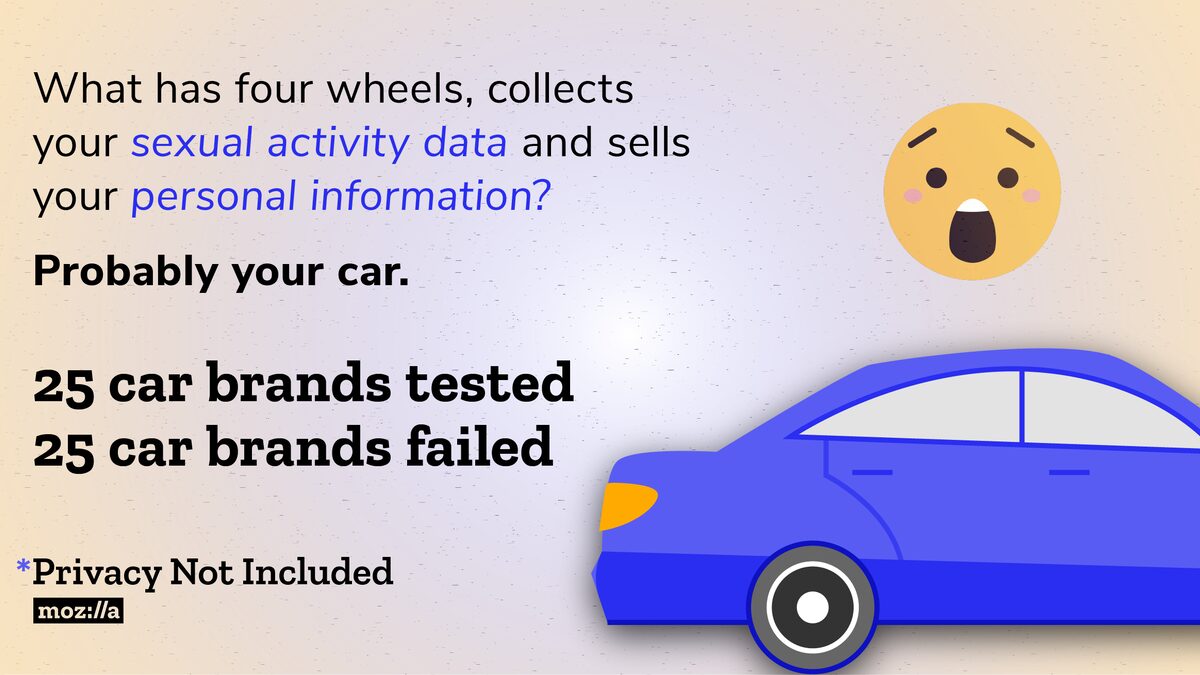
Mozilla *Privacy Not Included graphic illustrating a car as a privacy nightmare, with data flowing out of the vehicle.
Security·

Your car logs every hard brake, and the FTC just banned GM from selling it for five years

Connected cars collect location, driving behavior, in-cabin audio, and synced contacts, then route it to automaker clouds, brokers, and insurers. Here's how to stop it.

A 7-Eleven storefront, the retail chain whose franchisee document store was breached and leaked.
Security·

ShinyHunters dumped 9.4GB of 7-Eleven franchisee data after a rejected ransom demand

ShinyHunters breached a 7-Eleven Salesforce instance holding franchisee documents, exposing 185,000 people. The 9.4GB archive hit a leak site after 7-Eleven declined to pay.

Apple's security branding, illustrating the iPhone theft-protection layer the new anti-snatch feature would extend.
Apple·

Apple is testing an anti-snatch feature that locks the iPhone the second it's grabbed

Code seen by 9to5Mac points to an iPhone feature that auto-locks when the accelerometer detects a snatch, then clamps down like Stolen Device Protection.

The Microsoft corporate logo, the brand the scam emails are spoofing through Microsoft's own legitimate notification infrastructure.
Security·

Scammers turned a Microsoft notification address into a spam relay. The emails pass SPF, DKIM, and DMARC.

Spammers found a Tenant Name injection in Entra ID that pushes fraud text into Microsoft's own OTP emails. The from-line reads [email protected].

Google Chrome logo on a dark background
Security·

Google's bug tracker auto-published exploit code for an unpatched Chromium flaw. The bug is still live.

Chromium Issue 1396278 went public on May 20 because Google's tracker auto-clears restrictions on stale closed bugs. The flaw, reported in 2022, was never fixed.

Anthropic Project Glasswing announcement card with glasswing butterfly motif.
AI·

Anthropic's Glasswing logged 10,000 vulnerabilities in a month. Most are still waiting on a patch.

Anthropic says Project Glasswing's first month produced over 10,000 critical-and-high-severity vulns. Verification and patching is the limiting step.

Apple Security Research site banner card.
Security·

Apple shipped formal proofs for its post-quantum crypto. 2.5 billion devices now run verified code.

Apple's SEAR team published formal verification proofs for corecrypto's ML-KEM and ML-DSA implementations. 50,000 proof steps cover 2.5 billion active devices.

GitHub security blog header showing the GitHub Octocat logo on a backdrop of black security blocks.
Security·

GitHub's internal repos were breached. The attacker came in through a poisoned VS Code extension.

GitHub detected the intrusion on May 18 after a malicious VS Code extension compromised an employee's device. The attacker claims to have exfiltrated 3,800 internal repositories.

Microsoft's World Passkey Day 2026 promo art for passwordless authentication
Security·

Microsoft is killing SMS codes on consumer Microsoft accounts. Passkeys take over by December.

Microsoft is phasing out SMS sign-in and recovery on personal Microsoft accounts by December 2026. Replacements: passkeys, Authenticator, or verified email.

CISA logo and seal of the U.S. Cybersecurity and Infrastructure Security Agency
Security·

A CISA contractor left GovCloud admin keys on public GitHub. The file was named 'Important AWS Tokens.txt'.

GitGuardian found a public CISA repo with 844 MB of secrets, including AWS GovCloud admin keys. The repo sat open for six months.

An illustration of the Claude Code deeplink vulnerability, showing a malicious URL handler triggering a shell prompt.
Security·

A bad command-line parser turned every claude-cli:// link into a remote shell

Joernchen of 0day.click found a deeplink RCE in Claude Code. Anthropic shipped the fix in 2.1.118 the same week.

A technician at a server rack with a laptop, standing in for the SQL infrastructure Opexus ran for 45 federal agencies.
Security·

Twin contractors deleted 96 federal databases in 56 minutes. One asked an AI how to clear the logs.

A federal jury convicted Sohaib Akhter on May 7 of wiping 96 government databases at Opexus. His twin Muneeb queried an AI: 'how do I clear system logs from SQL servers.'

Stylized illustration of remote code execution attack flow
Security·

F5 patched an 18-year-old NGINX bug. Attackers can RCE a third of the web with one crafted request.

F5 disclosed CVE-2026-42945 on May 13 after depthfirst's analyzer found a heap overflow in a 2008 commit. NGINX 1.31.0 ships the patch, every Plus tier needs an upgrade.

Windows logo composite with security-warning overlay
Security·

A USB stick now opens a BitLocker drive in 60 seconds. The researcher calls it a backdoor.

A pseudonymous researcher dropped two unpatched Windows zero-days on May 12. YellowKey bypasses BitLocker via WinRE; Microsoft has not acknowledged either bug.

Glowing DNS server illustration above a darkened network rack
Security·

Six new bugs hit dnsmasq, the DNS daemon in every Linux router. One gives a local attacker root.

CERT VU#471747 lists six dnsmasq CVEs disclosed May 11. The DHCPv6 flaw is local-root code execution. Simon Kelley credits 'a revolution in AI-based security research.'

TanStack website header with logo
Security·

TanStack published its npm supply-chain postmortem. The attack chained three GitHub Actions flaws.

Attackers compromised 42 TanStack packages through a pull_request_target exploit, cache poisoning, and OIDC token theft. An external researcher caught it in 20 minutes.