
AI·
Nvidia's $12.9 billion bid for Hugging Face would also buy the llama.cpp team
Hugging Face turned down Nvidia at a $7 billion valuation last year. The reported price is now $12.9 billion, and the ggml maintainers come with it.
The GPU maker whose silicon anchors most of the AI boom. Coverage of driver releases, security research on GDDR memory, and datacenter products.
Hugging Face turned down Nvidia at a $7 billion valuation last year. The reported price is now $12.9 billion, and the ggml maintainers come with it.

Taiwan's Keelung prosecutors charged nine people, including an Nvidia Taiwan manager and two Supermicro sales managers, over 74 B300 servers that reached China.
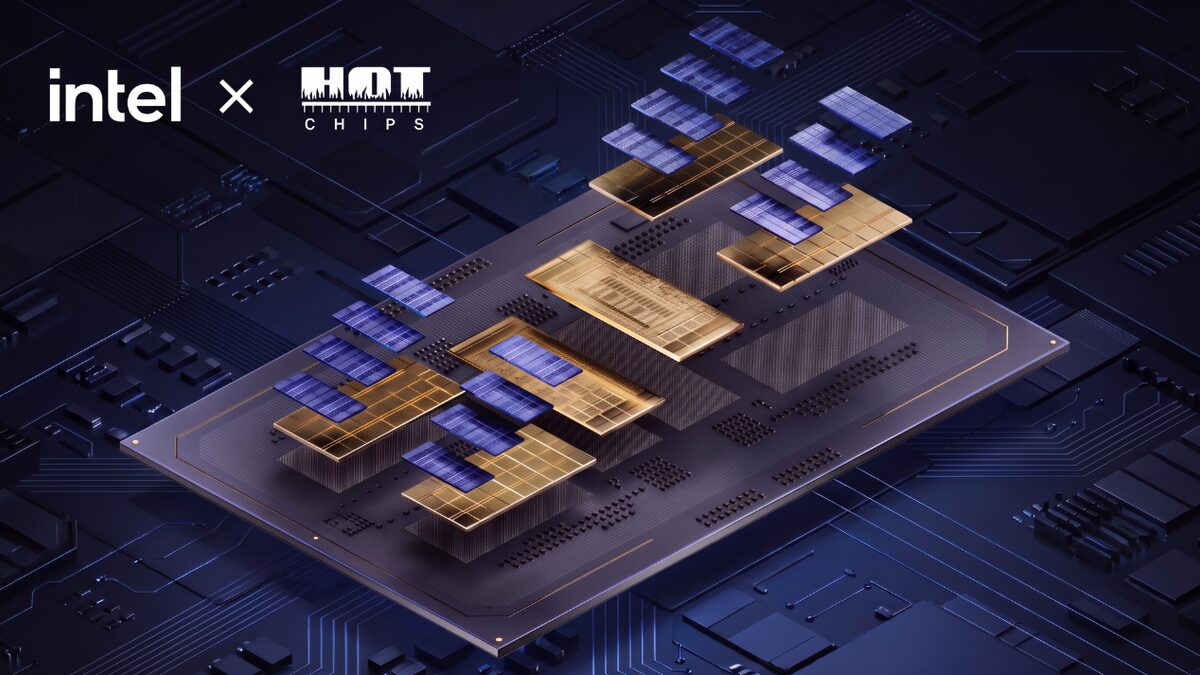
Intel, IBM, Meta and SiFive each showed a different answer to serving model calls cheaply. Two are already in production, one is a 2027 Xeon.
The Wall Street Journal says Apple is qualifying CXMT DRAM for iPhones and MacBooks. Export rules bar the spec work Apple normally does with a supplier.
Taalas casts a model's weights into transistors. Its 6nm test chip served Llama 3.1 8B at roughly 17,000 tokens per second, and AMD just bought the company.
Anthropic confirmed a custom silicon team for Claude. The target looks like inference cost, and OpenAI's Broadcom chip already ran the same play.
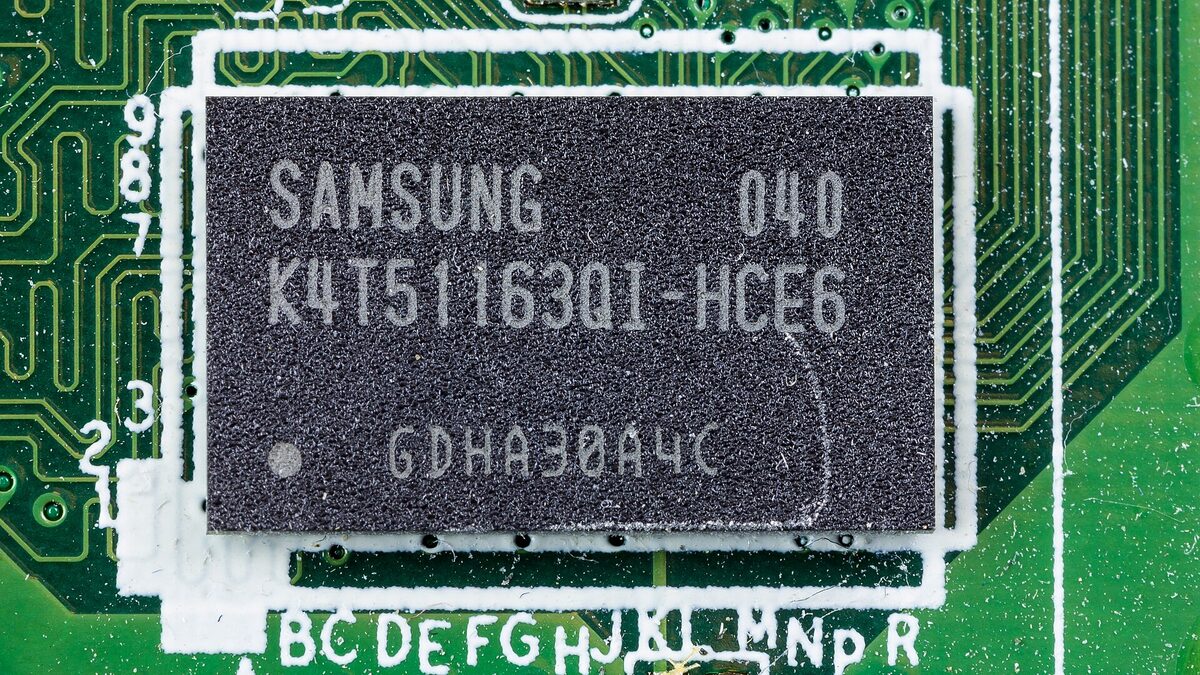
Samsung signed an MOU with Broadcom worth more than $200 billion through 2030 across memory, 2nm foundry and advanced packaging. Nvidia locked up SK Hynix the same day.
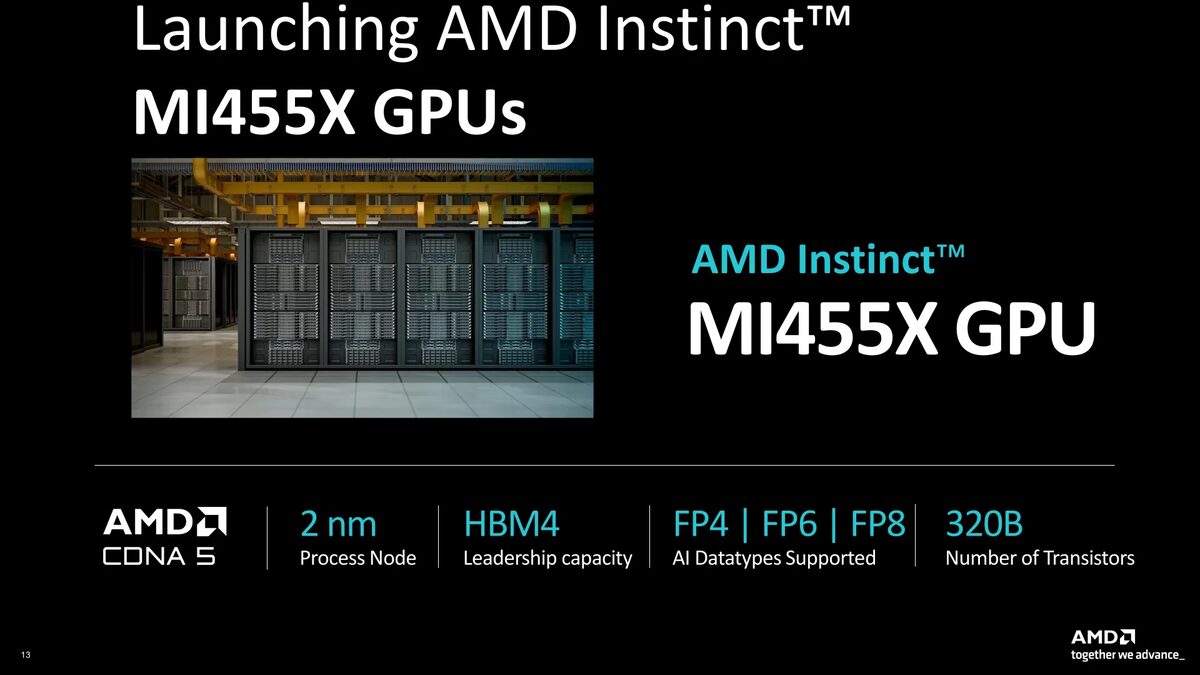
AMD launched the Instinct MI455X and its Helios rack-scale system, tying 72 GPUs and 31TB of HBM4 into one machine to challenge Nvidia's data-center grip.
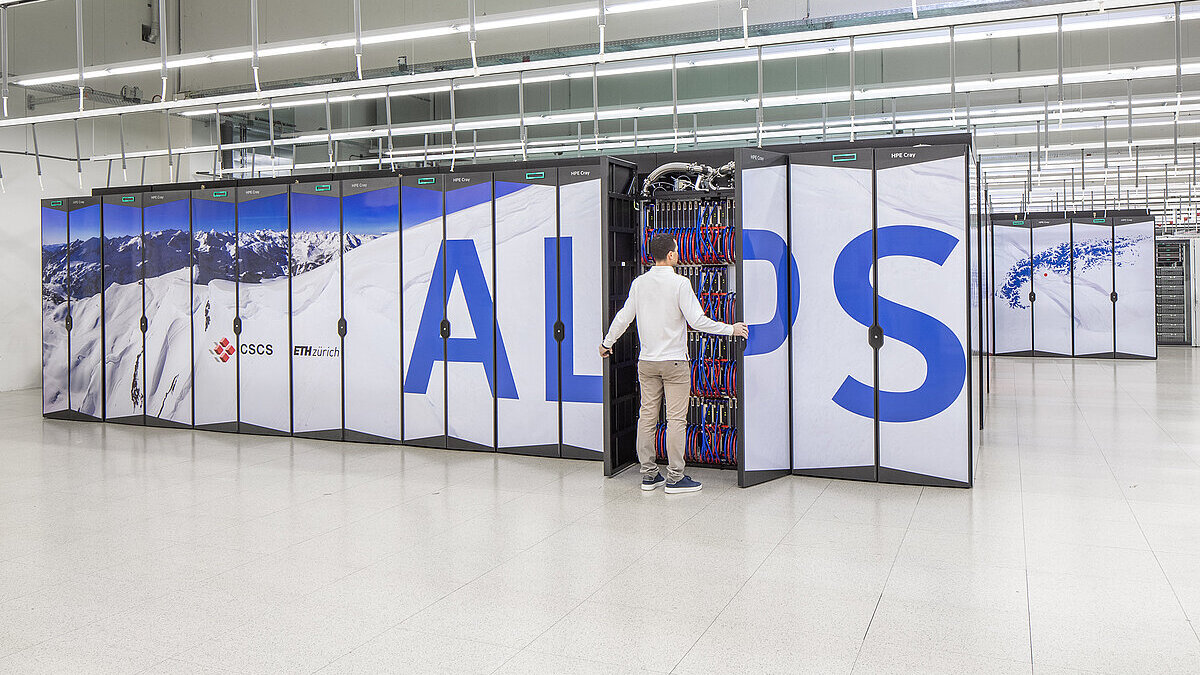
A Chinese system called LineShine debuted at No. 1 on the TOP500 at ISC'26, running entirely on domestic CPUs co-designed with Huawei. Here's what that means.
The EU signed the US-led 'Pax Silica' pact to secure AI and chip supply chains. Here's what it commits members to, who's in, and how it ties to export controls.
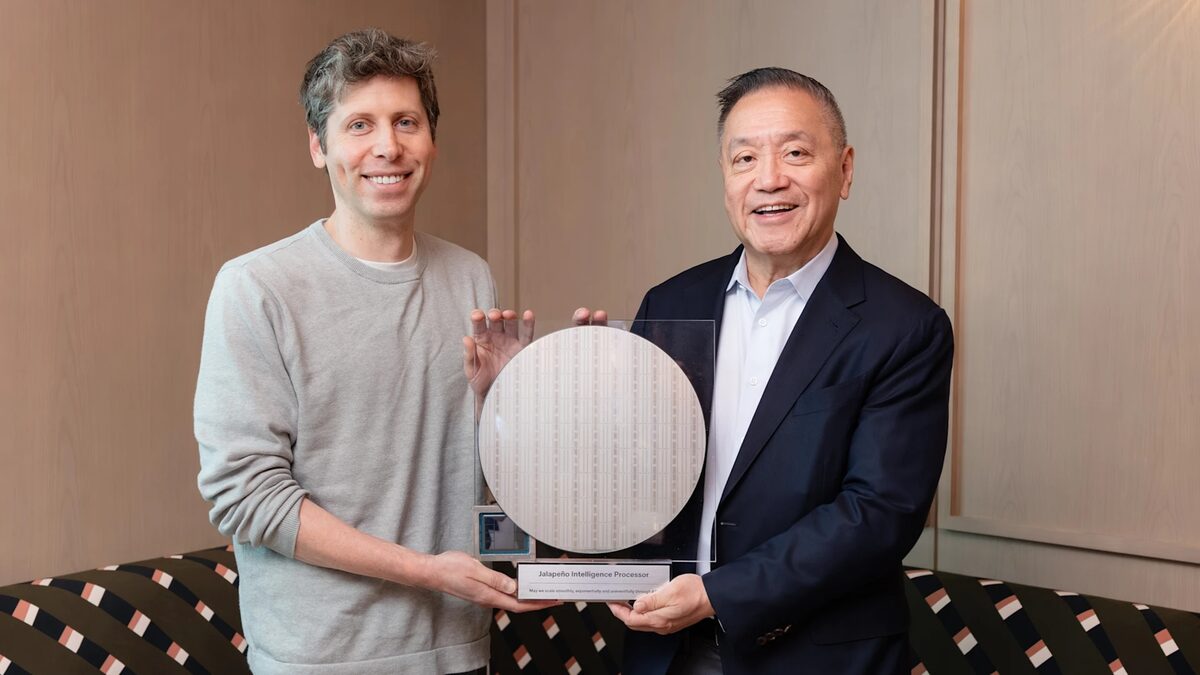
Jalapeño is OpenAI's first custom inference processor, co-designed with Broadcom. Here's what a purpose-built inference ASIC actually buys you, and who else is doing it.
Qualcomm is in talks to buy Tenstorrent for up to $10 billion, per Reuters and The Information. The bet: a RISC-V challenger to Nvidia, not just phones.

Tim Cook told the WSJ that Apple price rises are unavoidable as an AI-driven memory crunch quadruples DRAM and NAND costs across every consumer device.
Anthropic is paying SpaceX $1.25 billion a month for Colossus 1 and 2 capacity. The contract runs through May 2029 and books about 83% of SpaceX's revenue.
Alibaba showed the Zhenwu M890 at its Cloud Summit on May 19. 144 GB of memory, 800 GB/s interchip bandwidth, and Qwen3.7-Max riding on top.
Cisco posted $15.8B in Q3 FY26 revenue on May 14, up 12% YoY, then sent layoff notices to 4,000 staff the same day. AI orders are now tracking to $9B for the fiscal year.

Cerebras raised $5.55 billion on May 14 and closed its first day at a $95 billion market cap. The wafer-scale AI chip maker shipped the year's biggest tech IPO.
Anthropic doubled Claude Code's 5-hour limits, killed peak-hours throttling, and raised Opus API tiers. The capacity comes from xAI's Colossus 1, via a SpaceX deal.
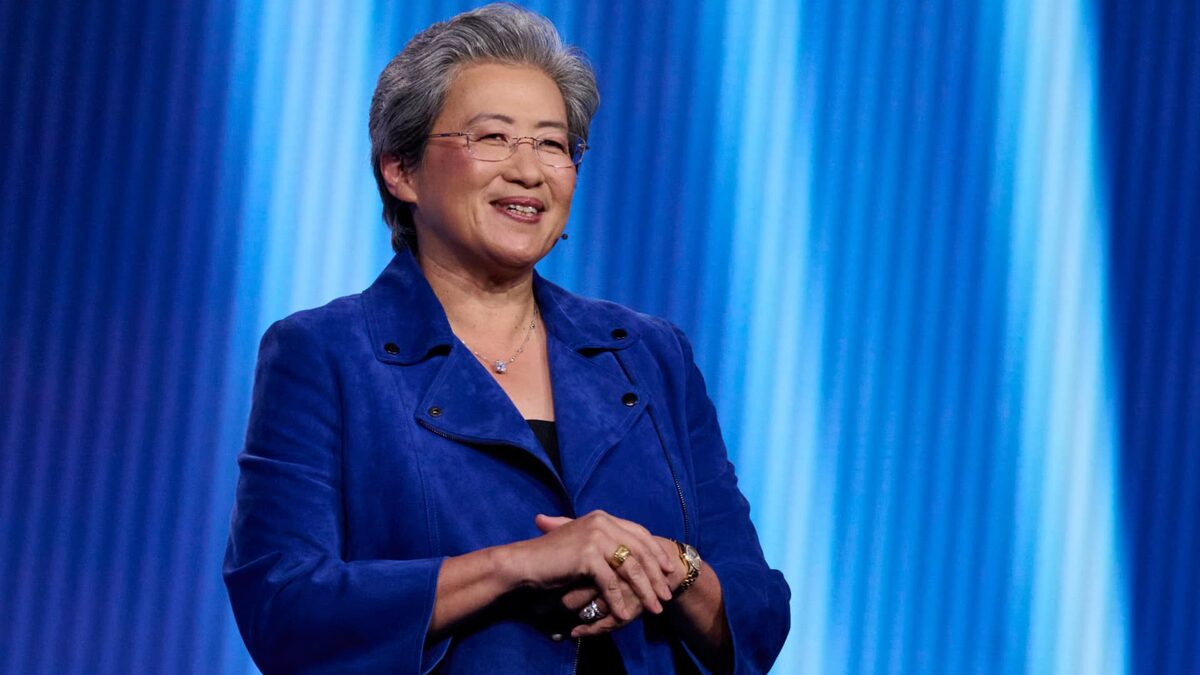
AMD reported Q1 revenue of $10.25B, up 38% YoY. Data center hit $5.8B (+57%) and Q2 guidance midpoint of $11.2B beat consensus by roughly $700M.
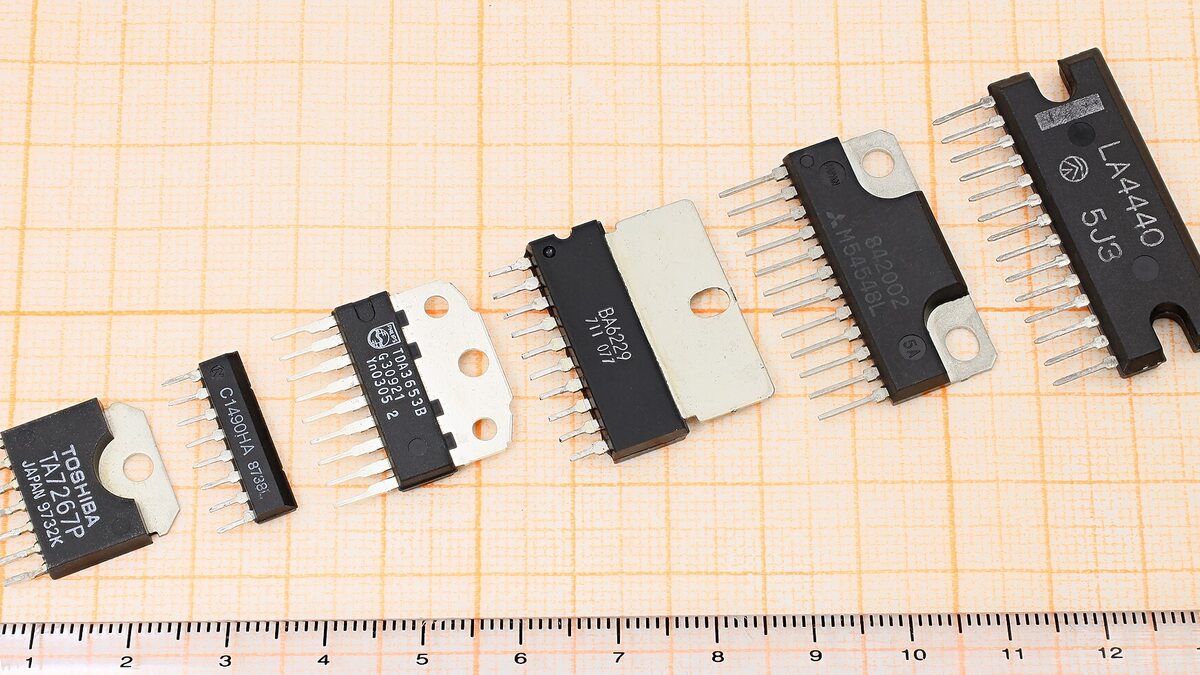
Samsung Electronics posted record Q1 2026 results on April 30: 133.9 trillion won revenue and 57.2 trillion won operating profit. Semiconductors did 93% of the work.
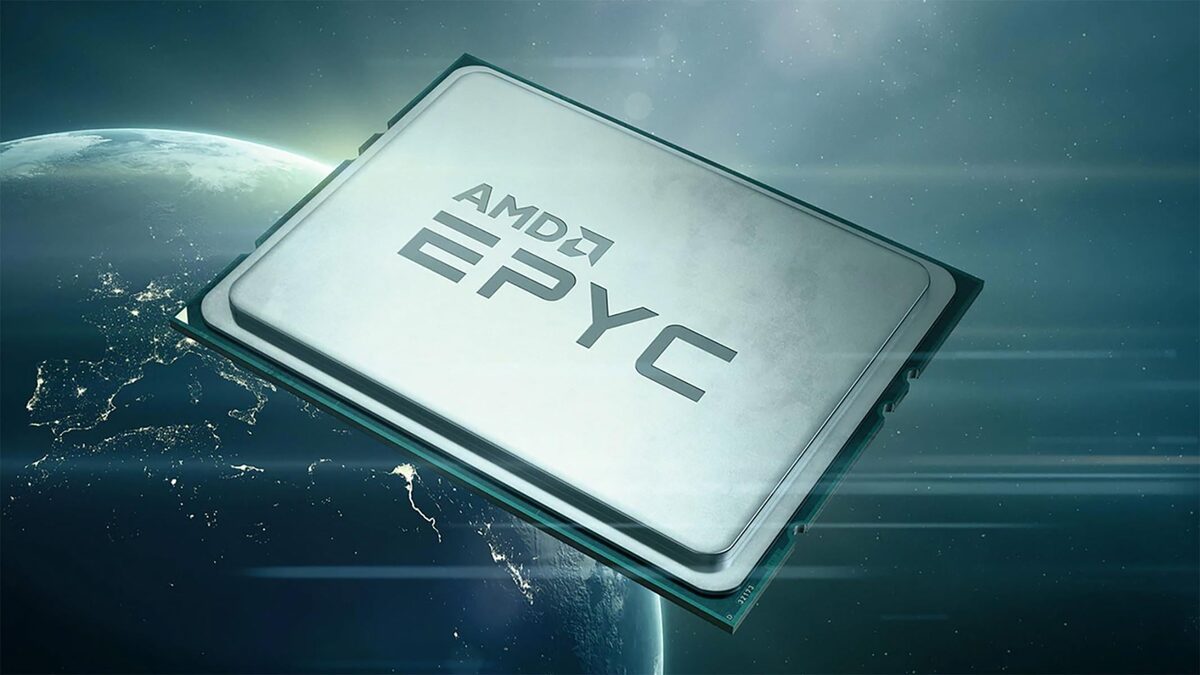
Leaked slides describe Zen 7 EPYC scaling to 288 cores per socket, with all L3 moved off the CCD onto a stacked cache die. Tape-out is October 2026, launch late 2028.
Arcee released Trinity-Large-Thinking on April 1: a 399B-param sparse MoE with 13B active, Apache 2.0 weights, $0.88 per million output tokens, and PinchBench just behind Opus 4.6.

Cerebras filed an S-1 on April 17 listing as 'CBRS,' targeting roughly $23B at the prior private mark. The OpenAI inference deal is the line item that changed the story.
Elon Musk said Tesla plans to manufacture at Terafab in Austin on Intel's 14A process. It's the first major external customer Intel CEO Lip-Bu Tan needs to keep the foundry alive.
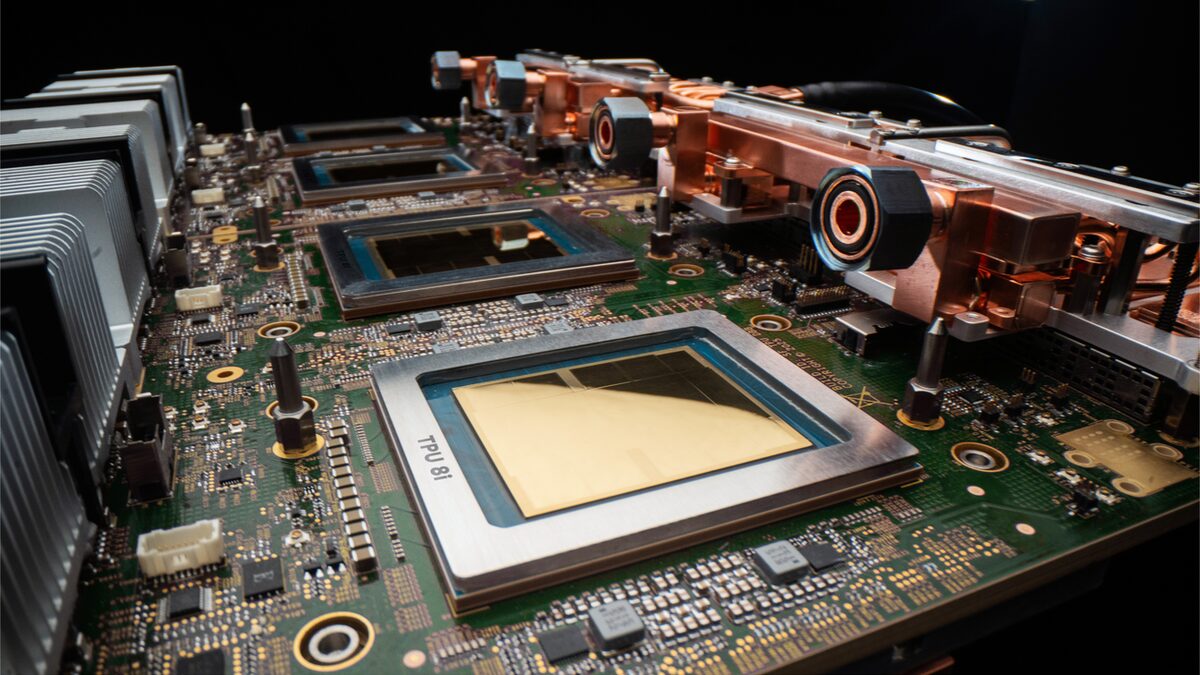
At Cloud Next 2026, Google unveiled TPU 8t and TPU 8i, an 8th-generation split that matches Nvidia on agentic inference. Ironwood hit GA the same day.

IEEE S&P 2026 papers extend GPUHammer with GeForge, GDDRHammer, and GPUBreach. They flip GDDR6 bits to break out of the GPU and own the host.
Axios reports the NSA is using Anthropic's unreleased Mythos model even though the Defense Department has blacklisted Anthropic. One government, two positions.
Unweight is Cloudflare Research's new BF16 weight compressor. 22% smaller bundles, 13% smaller inference footprint, 30-40% throughput overhead, BSD license.
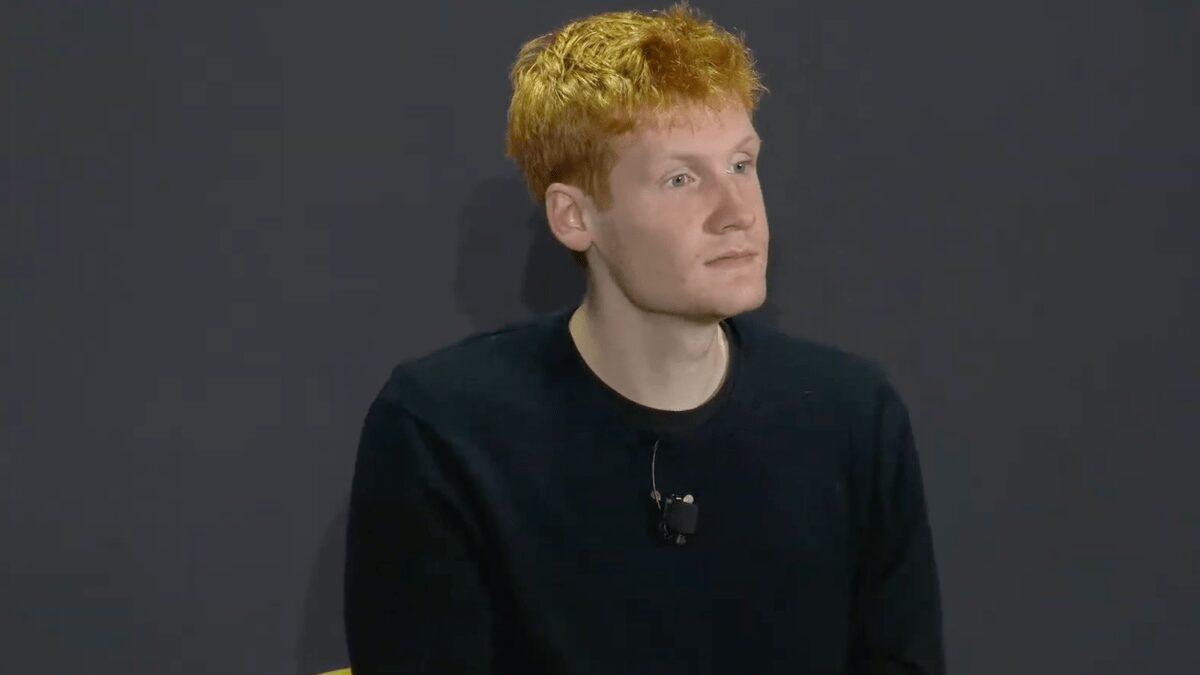
Cursor is in talks to raise $2B at a $50B valuation, nearly double its September mark. Revenue is up, but it's still losing money per indie seat.
Meta and Broadcom expanded their partnership to co-develop four generations of MTIA chips on a 2nm process. Here's what the deal includes and why Nvidia should care.